
Cameraperson (2016)
Story overview
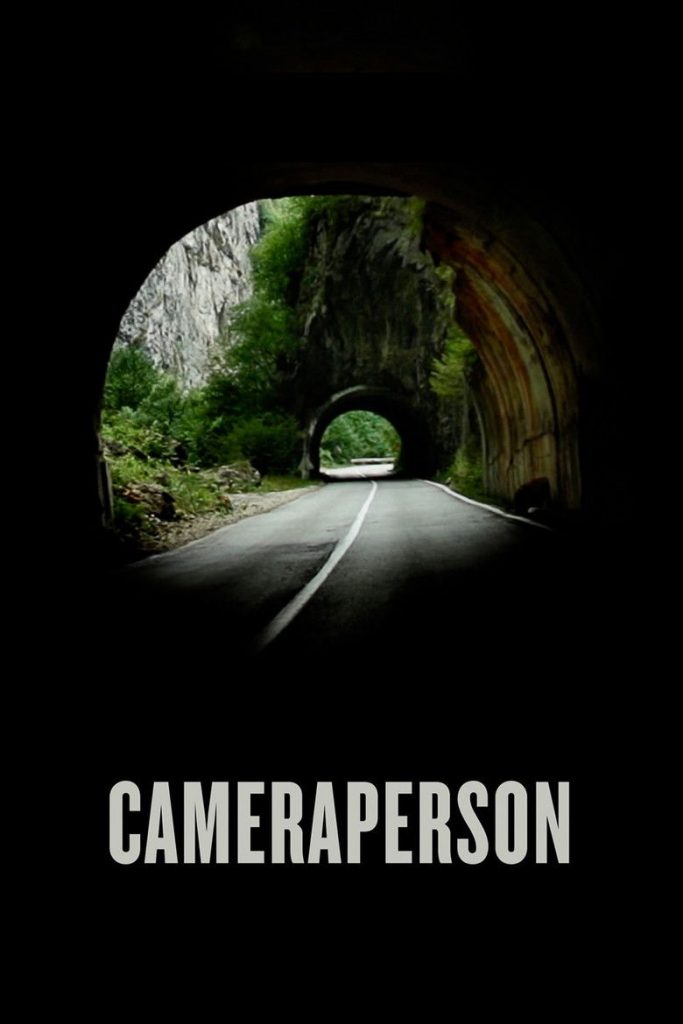
Cameraperson is a 2016 documentary by filmmaker Kirsten Johnson that serves as a visual memoir, compiling footage from her career to explore themes of truth, memory, and human connection. It presents a reflective journey through various global locations and personal moments, focusing on the ethical and emotional aspects of documentary filmmaking rather than a traditional narrative.
Parent Guide
Cameraperson is a thoughtful, non-fiction film that explores documentary filmmaking through personal reflection. It contains no fictional violence or language issues but includes real-world emotional content. Best for ages 8 and up with parental guidance due to mature themes.
Content breakdown
Includes real-life footage with implied or brief scenes of conflict, such as protests or medical situations, but no graphic violence. Some peril is shown in contexts like war zones or natural settings, presented documentary-style without sensationalism.
Contains emotionally intense moments, such as scenes in hospitals, discussions of death, or footage from troubled areas. These are presented in a reflective, non-graphic manner but may be disturbing to sensitive viewers, especially younger children.
No notable profanity or offensive language; the focus is on visual and narrative content rather than dialogue.
No sexual content or nudity; the film deals with broader human experiences without explicit material.
No depiction of substance use; the content is centered on documentary footage and personal reflection.
High emotional intensity due to real-world themes like illness, loss, and social issues. The film encourages empathy and reflection, which might be overwhelming for very young viewers but is handled thoughtfully.
Parent tips
This documentary is suitable for mature children and teens interested in filmmaking, ethics, or global perspectives. It lacks traditional plot or characters, so younger viewers may find it slow. Discuss the film's themes of truth and representation, and be prepared for emotional moments related to real-life situations. The film is not rated but contains mature content appropriate for ages 8+ with guidance.
Parent chat guide
Parent follow-up questions
—
- What was your favorite part of the movie?
- How do you think the camera helps tell stories?
- Why do you think the filmmaker included certain scenes?
- How does this movie show different parts of the world?
- What does 'truth' mean in a documentary?
- How does Cameraperson challenge traditional documentary ethics?
- What is the impact of the filmmaker's personal perspective on the footage?
- Discuss the relationship between memory and filmmaking as shown in the movie.
🎭 Story Kernel
Cameraperson is not a story in the traditional sense but an ethical inquiry into the act of looking. It explores the tension between professional detachment and human connection through the lens of cinematographer Kirsten Johnson. The film is driven by her moral reckoning with the footage she's captured over decades—from war zones to intimate family moments. It asks what it means to witness suffering, joy, and trauma, and how the person behind the camera is forever altered by what they frame. The core theme is the porous boundary between observer and participant, questioning whether any gaze can be truly neutral when it shapes both the recorded and the recorder.
🎬 Visual Aesthetics
The visual language is a collage of disparate formats—digital video, 16mm, archival footage—creating a tactile memory bank. Shaky handheld shots in conflict zones contrast with serene, static frames of domestic life, highlighting the camera's dual role as witness and intruder. Johnson often leaves in lens flares, focus pulls, and her own shadow, breaking the illusion of objectivity. The color palette shifts from the dusty ochres of Bosnia to the clinical whites of a hospital room, emotionally coding each fragment. The editing rhythm feels associative rather than linear, mimicking how memory works: through juxtaposition and emotional resonance rather than chronology.
🔍 Details & Easter Eggs
💡 Behind the Scenes
Kirsten Johnson compiled the film from outtakes and unused footage spanning 25 years of her work as a documentary cinematographer on films like Fahrenheit 9/11 and The Invisible War. The production involved sifting through terabytes of material without traditional scripts or storyboards. Many subjects reappearing in the film were re-contacted for permission, turning the edit into an ongoing ethical dialogue. Johnson initially resisted including personal family footage, fearing it would sentimentalize the project, but ultimately integrated it to explore how professional and private visions intersect.
Where to watch
Choose region:
- HBO Max
- HBO Max Amazon Channel
- Criterion Channel
- Amazon Video
- Apple TV Store
- Google Play Movies
- YouTube
- Fandango At Home
Trailer
Trailer playback is unavailable in your region.