
Can You See Us? (2023)
Story overview
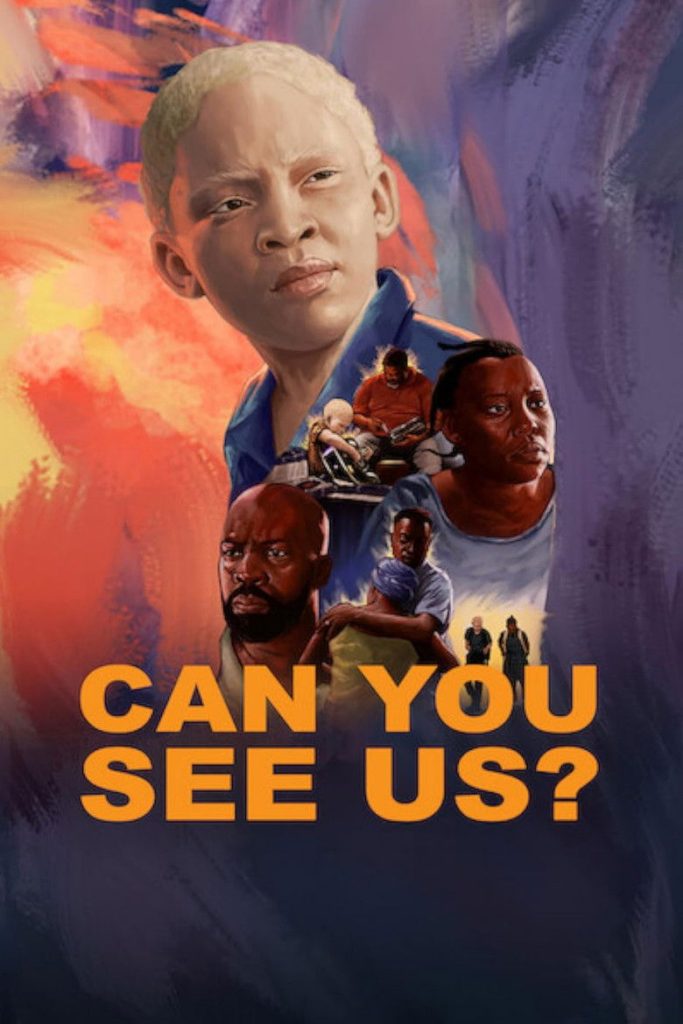
This 2023 Zambian drama follows a boy with albinism who faces rejection from his father at birth and endures childhood bullying and tragedy while holding onto cautious hope. The film explores themes of identity, discrimination, resilience, and family dynamics in a realistic setting.
Parent Guide
A thoughtful drama about discrimination and resilience suitable for mature children with parental guidance due to emotional intensity and bullying themes.
Content breakdown
Contains bullying scenes including verbal harassment and social exclusion. No physical violence shown but implied emotional harm.
Themes of parental rejection and social ostracism may be disturbing. Scenes of emotional distress and isolation could upset sensitive viewers.
May include mild derogatory terms related to appearance or disability in bullying contexts.
No sexual content or nudity present.
No substance use depicted.
Strong emotional themes of rejection, bullying, and hope. May evoke sadness or anger at injustice. The protagonist's resilience provides positive counterbalance.
Parent tips
This film deals with sensitive topics including parental rejection, bullying based on physical appearance, and childhood trauma. It may be emotionally challenging for younger viewers but offers valuable lessons about empathy, resilience, and acceptance. Consider watching with children to discuss the themes afterward.
Parent chat guide
Parent follow-up questions
- How did the boy feel when other children weren't nice to him?
- What makes someone a good friend?
- How can we help someone who feels sad?
- Why do you think the father rejected his son?
- How did the boy cope with bullying?
- What does it mean to be different in a good way?
- How does society's view of albinism affect the characters?
- What role does hope play in difficult situations?
- How can schools better address bullying?
- Analyze how the film portrays systemic discrimination.
- Discuss the psychological impact of parental rejection.
- How does the film challenge stereotypes about disability?
🎭 Story Kernel
The film transcends a simple biographical narrative to explore the profound psychological impact of rejection and the redemptive power of self-acceptance. At its core, it is a story about the search for identity in a society that views albinism through a lens of superstition and fear. Joseph’s journey is not just about surviving physical threats but about reclaiming his humanity from a father who initially sees him as a curse. The narrative deftly balances the cruelty of societal exclusion with the warmth of chosen family, specifically through the character of Martin, who provides the emotional scaffolding for Joseph’s musical awakening. It expresses the universal truth that being seen is not a matter of physical sight, but of recognizing the intrinsic value of a human soul regardless of its outward appearance.
🎬 Visual Aesthetics
Kenny Mumba utilizes a palette that shifts from the harsh, dusty realities of Joseph’s early isolation to more vibrant, melodic tones as he discovers music. The cinematography often employs close-ups to capture the vulnerability in Joseph’s eyes, emphasizing his internal struggle against a world that stares but rarely observes. There is a deliberate use of light and shadow; the brightness of the Zambian sun, which poses a physical threat to Joseph’s skin, is contrasted with the cool, safe shadows of the indoors where his talent flourishes. The visual language effectively mirrors the protagonist's sensitivity to his environment. Symbolism is found in the guitar, which serves as both a shield and a bridge, transforming Joseph from a social pariah into a source of harmony, visually grounding his transition from victim to artist.
🔍 Details & Easter Eggs
💡 Behind the Scenes
Can You See Us? is a landmark production for the Zambian film industry, being one of the first Zambian feature films to gain significant international distribution via Netflix. Director Kenny Mumba sought to create a film that challenged regional stigmas while maintaining high production values. The lead role of young Joseph was played by Thabo Kaamba, whose performance was widely praised for its emotional depth. John Chiti, the inspiration for the film, was heavily involved in the production and even makes a cameo appearance, bridging the gap between the fictionalized narrative and his real-life advocacy for people with albinism.
Where to watch
Choose region:
- Netflix
- Netflix Standard with Ads
Trailer
Trailer playback is unavailable in your region.