
Candy (2006)
Story overview
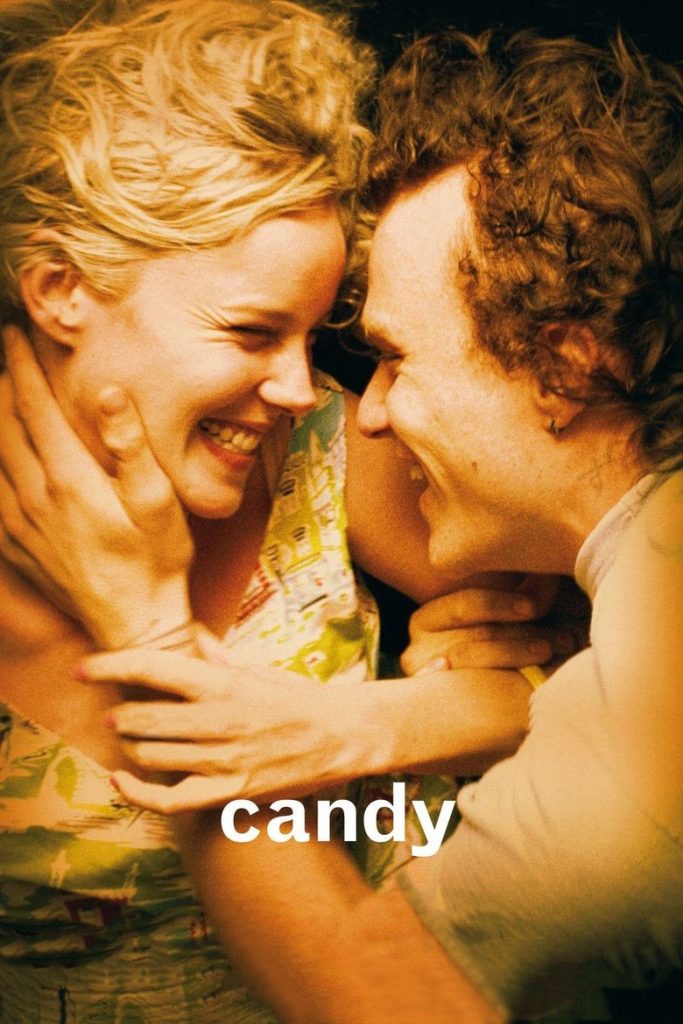
Candy is a 2006 drama and romance film that explores the intense relationship between two young people. The story follows their journey through love and personal struggles, set against a backdrop of emotional challenges. As a drama, it focuses on character development and relationship dynamics rather than action or adventure.
Parent Guide
This R-rated drama contains mature themes suitable for older teens and adults only. Parents should preview the film before considering it for any viewers under 17.
Content breakdown
May contain dramatic conflicts or tense situations typical of relationship dramas
Likely contains emotionally intense scenes and adult situations that could be disturbing to younger viewers
R rating typically indicates strong language may be present
R rating suggests sexual content and/or nudity may be present
May contain depictions of substance use given the R rating and drama genre
Drama and romance genres typically feature intense emotional situations and relationship conflicts
Parent tips
This film has an R rating, which means it contains material that may not be suitable for viewers under 17 without parental guidance. The rating suggests the film includes adult themes, strong language, sexual content, violence, or substance use that parents should consider before allowing younger viewers to watch.
As a drama about relationships and personal struggles, the film likely deals with mature emotional themes that may be difficult for younger children to understand or process. Parents should be prepared to discuss the film's themes with their children if they choose to watch it together.
Consider watching the film yourself first to determine if it's appropriate for your family, as individual family values and children's maturity levels vary significantly.
Parent chat guide
Use the film as an opportunity to discuss real-life consequences of actions and the importance of communication in relationships. Emphasize that while films often dramatize situations for entertainment, real-life relationships require different approaches.
Be prepared to answer questions about adult themes honestly but age-appropriately, and consider having follow-up conversations after viewing to address any lingering questions or concerns.
Parent follow-up questions
- What did you think about how the people in the movie talked to each other?
- How did the movie make you feel?
- What was your favorite part of the movie?
- Did you see anything that made you feel worried or scared?
- What do you think makes people good friends?
- How did the characters show they cared about each other?
- What challenges did the characters face in the movie?
- How did the characters solve their problems?
- What would you do differently if you were in their situation?
- What did you learn about relationships from this movie?
- What do you think the movie was trying to say about love and relationships?
- How did the characters' choices affect their lives?
- What healthy communication did you notice in the movie?
- What consequences did characters face for their actions?
- How realistic do you think the relationships in the movie were?
- What themes about adulthood and responsibility did the movie explore?
- How did the film portray the consequences of romantic relationships?
- What societal or personal pressures did the characters experience?
- How did the movie handle complex emotional situations?
- What insights did you gain about mature relationships from this film?
🎭 Story Kernel
At its core, 'Candy' is less about heroin addiction and more about the shared psychosis of codependency. The film meticulously dissects how addiction becomes the central organizing principle of a relationship, replacing genuine intimacy with the ritual of scoring and using. Dan and Candy aren't just addicted to the drug; they're addicted to the shared identity of being 'junkie lovers,' a romanticized rebellion that ultimately hollows them out. Their drive isn't merely chemical—it's the desperate attempt to sustain a fragile, self-destructive bubble where their love feels epic and doomed, a narrative they cling to even as it kills them. The arrival of their child isn't a redemptive plot device but the final, unbearable weight that exposes their fantasy as a lie.
🎬 Visual Aesthetics
The film's visual language mirrors the characters' descent through a decaying color palette. Early scenes are bathed in a warm, almost dreamy golden hue, romanticizing their initial euphoria. As their addiction deepens, the palette drains into cold blues and sickly greens, with harsh fluorescent lighting in hospitals and grim apartments. The camera work is intimate yet unstable, using handheld shots and tight close-ups that create a claustrophobic sense of being trapped inside their shared high and subsequent crashes. Notably, the 'heist' sequence employs a disjointed, almost farcical energy, visually underscoring the pathetic reality behind their criminal grandiosity.
🔍 Details & Easter Eggs
💡 Behind the Scenes
Heath Ledger and Abbie Cornish undertook significant preparation, consulting with former addicts and health workers to portray the physical and psychological toll authentically. Director Neil Armfield, primarily known for theatre, brought a heightened, almost theatrical focus on performance and dialogue to the cinematic medium. The film is an adaptation of Luke Davies' 1997 novel 'Candy: A Novel of Love and Addiction,' with Davies also co-writing the screenplay, ensuring a literary fidelity to the internal monologues of addiction that the film translates into visual anguish.
Where to watch
Choose region:
- Amazon Prime Video
- fuboTV
- Peacock Premium
- History Vault
- Amazon Prime Video with Ads
- Peacock Premium Plus
- Shout! Factory Amazon Channel
- The Roku Channel
- Fandango at Home Free
- Pluto TV
- Amazon Prime Video Free with Ads
- Tubi TV
- Amazon Video
- Apple TV
- Fandango At Home
Trailer
Trailer playback is unavailable in your region.