
Cane Toads: The Conquest (2010)
Story overview
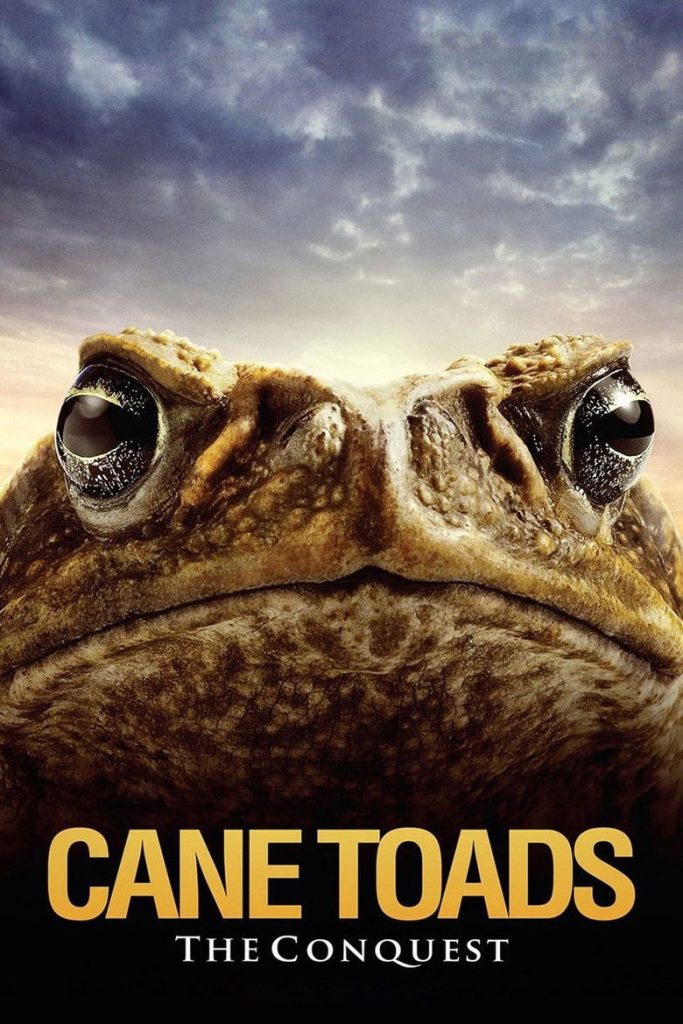
Cane Toads: The Conquest is a 2010 Australian documentary-comedy that humorously explores the environmental impact of cane toads in Australia. Using 3D technology, it offers close-up views of these creatures while discussing human conflicts and cultural responses to this ecological issue.
Parent Guide
Educational documentary with comedic elements about environmental issues. Suitable for children who can understand basic ecological concepts.
Content breakdown
No human violence. Some scenes show toads being handled or discussed as pests, but no graphic harm depicted.
Extreme close-ups of toads in 3D might unsettle some children. Discussions of environmental damage could concern sensitive viewers.
No offensive language noted in documentary context.
No sexual content or nudity.
No substance use depicted.
Lighthearted tone overall, though environmental themes might provoke thought about human impact on nature.
Parent tips
This documentary uses comedy to discuss environmental mistakes, which may confuse younger children. The 3D effects and close-up toad footage could be intense for sensitive viewers. Best for children who can understand ecological concepts and appreciate dry humor.
Parent chat guide
Parent follow-up questions
- What did you think about the toads?
- Were the big toad pictures scary or funny?
- What colors did you see in the movie?
- Why do you think people brought cane toads to Australia?
- How do you think the toads affect other animals?
- What was the funniest part of the movie?
- What environmental lesson did you learn from this documentary?
- How does the film use humor to talk about a serious problem?
- What solutions might help with invasive species?
- How does this film critique human intervention in ecosystems?
- What cultural attitudes toward nature does the film reveal?
- How effective is 3D technology for documentary storytelling?
🎭 Story Kernel
The film's core is a tragicomic parable of ecological imperialism. It's not really about the cane toad's conquest of Australia, but about humanity's conquest of nature and the inevitable, grotesque blowback. The driving force is a chain reaction of human error: the 1935 introduction of 102 toads to control cane beetles was a solution blind to systemic consequences. The characters—scientists, farmers, enthusiasts—are all reacting to this self-inflicted plague, variously with panic, fascination, or absurd resignation. The movie expresses the folly of attempting to dominate complex ecosystems with simplistic, brute-force interventions, revealing how a small act of ecological arrogance can mutate into an unstoppable, living tide.
🎬 Visual Aesthetics
The film masterfully uses its 3D format not for spectacle but for unsettling intimacy. Extreme close-ups on the toads' warty, glistening skin and unblinking eyes force a confrontation with the 'invader,' making them simultaneously grotesque and strangely majestic. The color palette contrasts the vibrant, sun-bleached greens and golds of the Australian landscape with the dull, earthy tones of the toads, visually underscoring the alien invasion. The camera often adopts a low, ground-level perspective, aligning the viewer with the toad's relentless, hopping point of view as it advances across highways and backyards, making its spread feel inevitable and pervasive.
🔍 Details & Easter Eggs
💡 Behind the Scenes
Director Mark Lewis filmed 'Cane Toads: The Conquest' in digital 3D, a highly unusual choice for a documentary in 2010, to create a more immersive and visceral experience of the toad 'invasion.' It is a sequel to his 1988 cult classic 'Cane Toads: An Unnatural History.' The film features real scientists and residents of Queensland and the Northern Territory, not actors, capturing authentic reactions to the ongoing crisis. A significant challenge was filming the toads' notorious poisonous secretion scenes without harming the crew, requiring careful planning and protective measures.
Where to watch
Choose region:
- HBO Max
- HBO Max Amazon Channel
- Criterion Channel
Trailer
Trailer playback is unavailable in your region.