
Capernaum (2018)
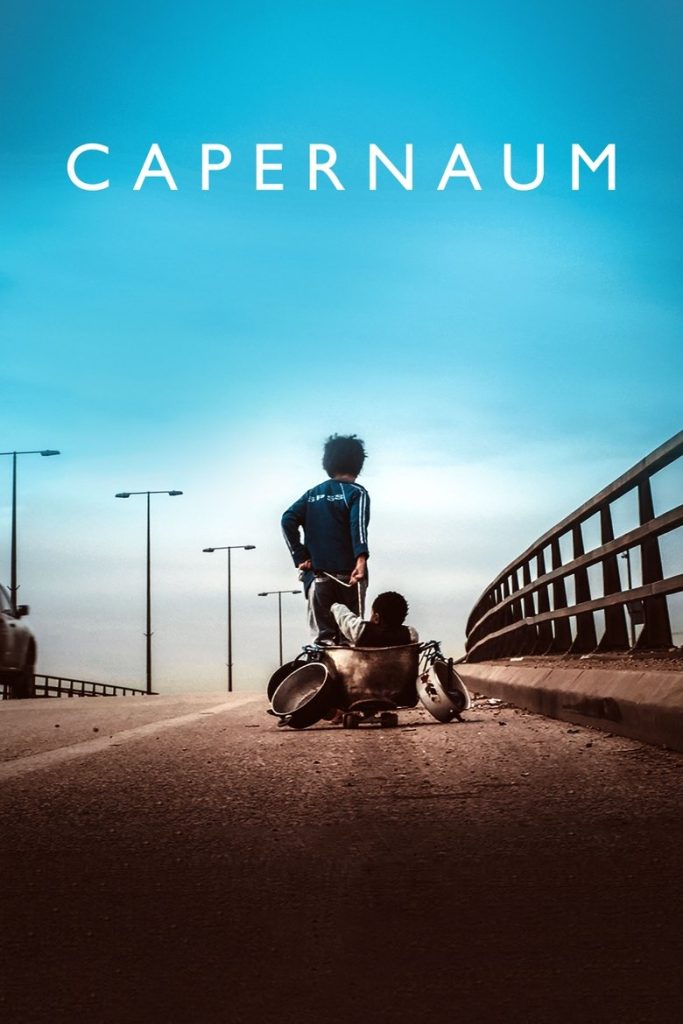
Story overview
Capernaum is a 2018 Lebanese drama that follows a 12-year-old boy who sues his parents for giving him life under difficult circumstances. The film explores themes of poverty, neglect, and survival through the eyes of a child navigating harsh realities. It presents a raw, emotional portrayal of family struggles and social injustice in an urban setting.
Parent Guide
A powerful drama with mature themes about poverty, neglect, and social injustice that requires parental guidance for teen viewers.
Content breakdown
Some brief physical altercations and tense situations involving peril.
Emotionally intense scenes depicting child neglect, poverty, and difficult living conditions.
Occasional strong language in subtitles.
No sexual content or nudity depicted.
Brief references to substance use in social contexts.
High emotional intensity throughout with themes of family conflict and social hardship.
Parent tips
This film contains strong emotional content and mature themes including child neglect, poverty, and brief violence. The R rating reflects its realistic depiction of difficult social issues that may be distressing for younger viewers. Parents should preview this film and consider its intense emotional impact before deciding if it's appropriate for their family.
Parent chat guide
Parent follow-up questions
- How did the boy in the movie feel?
- What makes a good family?
- How can we help people who need support?
- Why was the boy upset with his parents?
- What challenges did the characters face?
- How do movies show us different ways people live?
- What does the film show about responsibility?
- How does poverty affect children's lives?
- What makes a story powerful even when it's sad?
- What social issues does the film address?
- How does the legal system respond to family problems?
- What responsibility do societies have toward children in difficult situations?
🎭 Story Kernel
At its core, 'Capernaum' interrogates the very legitimacy of existence when life is reduced to a brutal struggle for survival. The film's central lawsuit—a child suing his parents for bringing him into a world of poverty and neglect—isn't just a plot device; it's a philosophical indictment of systemic failure. Zain's journey isn't driven by ambition or love, but by a primal, animalistic will to endure. His relationship with toddler Yonas becomes a mirror of the parental neglect he suffers—he provides care out of necessity, not affection, highlighting how survival instincts replace emotional bonds in such environments. The film argues that in certain conditions, life itself becomes a form of violence inflicted upon the innocent.
🎬 Visual Aesthetics
Director Nadine Labaki employs a gritty, documentary-like aesthetic with handheld camerawork that places us directly in Beirut's chaotic slums. The color palette is dominated by dusty browns, concrete grays, and the faded colors of poverty, making occasional moments—like the bright red of a stolen juice slushie—feel like shocking bursts of stolen joy. The camera often lingers at child-height, forcing adult viewers to experience the world from Zain's perspective. Long, unbroken takes during Zain's street wanderings create an immersive sense of his endless, exhausting struggle. Visual symbolism is stark but effective: the barred windows of Zain's apartment resemble a prison, while the vast, indifferent sea he gazes upon represents both escape and hopelessness.
🔍 Details & Easter Eggs
💡 Behind the Scenes
The young protagonist, Zain Al Rafeea, was a Syrian refugee living in Lebanon himself, drawing from personal experience. His powerful courtroom monologue was largely improvised based on his real feelings about his own life. Director Nadine Labaki cast non-professional actors from Beirut's slums, with the filming process taking over six months to accommodate the children's unpredictable environments. The toddler Yonas was played by a girl, as no male toddler could be found for the demanding role. The film was shot in sequence to help Zain build his performance naturally, and much of the dialogue was developed through workshops rather than a rigid script.
Where to watch
Choose region:
- Amazon Video
- Apple TV
- Google Play Movies
- YouTube
- Fandango At Home
Trailer
Trailer playback is unavailable in your region.