
Captain America: The Winter Soldier (2014)
Story overview
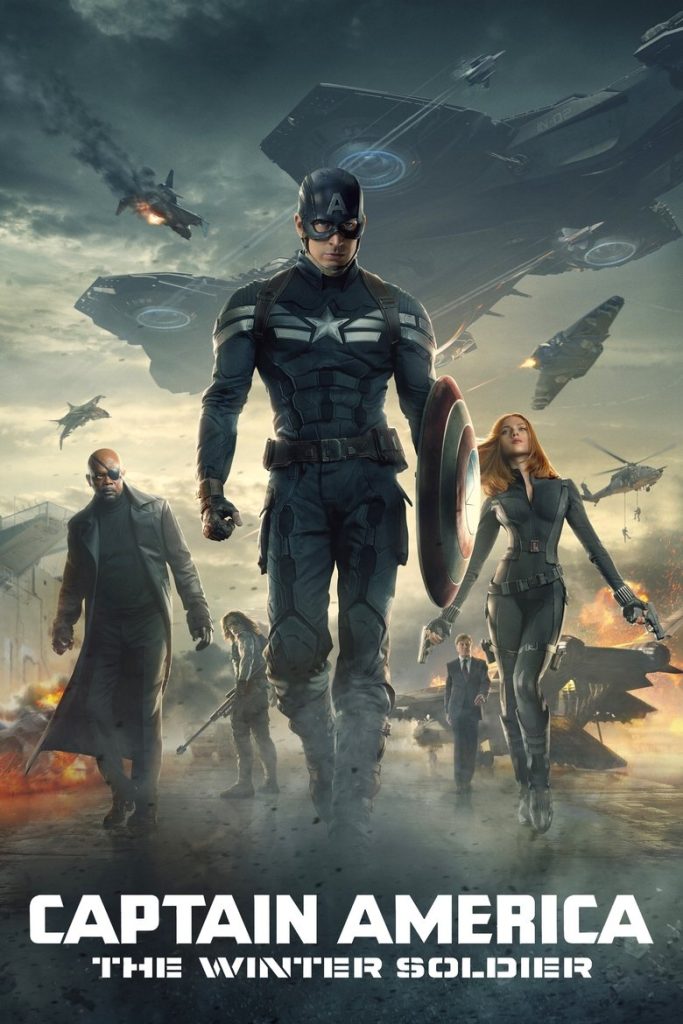
Captain America: The Winter Soldier is a 2014 action-adventure film that follows Steve Rogers, also known as Captain America, as he navigates a modern world filled with political intrigue and advanced technology. When a mysterious assassin known as the Winter Soldier emerges, Captain America must uncover a conspiracy within the very organization he trusts. The film combines superhero action with espionage thriller elements, exploring themes of loyalty, freedom, and adapting to changing times.
Parent Guide
A superhero action film with political thriller elements, suitable for mature children who can handle intense sequences and complex themes.
Content breakdown
Frequent action violence including hand-to-hand combat, gunfire, explosions, and vehicular mayhem. Characters are injured and killed, though without graphic gore. Some perilous situations and threats to main characters.
Some tense moments and conspiracy themes that might unsettle sensitive viewers. The Winter Soldier character has an intimidating presence. No horror elements or jump scares.
Occasional mild profanity and insults typical of PG-13 action films. No strong or frequent offensive language.
No sexual content or nudity. Some mild romantic tension between characters.
No depiction of substance use. Social drinking in one brief scene.
Themes of betrayal, loss of trust, and moral conflict. Some emotional scenes involving friendship and loyalty. Overall tone is more action-oriented than emotionally heavy.
Parent tips
This PG-13 rated film contains intense action sequences, including hand-to-hand combat, gunfights, and explosions that may be too intense for younger viewers. The plot involves political conspiracy and betrayal themes that could be confusing for children under 10. Parents should be aware that while there's no graphic gore, the violence is frequent and realistic within the superhero genre context.
Consider your child's sensitivity to action violence before viewing. The film's runtime (approximately 2 hours) and complex plot may require breaks for younger viewers. This movie works best for families with children who have already been introduced to superhero films and can handle moderate levels of tension.
Parent chat guide
For younger viewers, focus on the friendship themes and how characters help each other. For teens, the political and ethical questions provide richer discussion material. Remember to ask open-ended questions that let your child share their perspective rather than just explaining the plot.
Parent follow-up questions
- What was your favorite part of the movie?
- Which character did you like the most?
- What colors did you see in the movie?
- Did any parts make you feel happy or excited?
- What superpower would you want to have?
- Why do you think Captain America had trouble deciding who to trust?
- How did the characters work together to solve problems?
- What makes someone a good friend in the movie?
- How would you feel if you discovered a secret like Captain America did?
- What was the most exciting action scene for you?
- What does the movie say about freedom versus security?
- How do the characters change their minds about what's right?
- What responsibilities come with having power or authority?
- How does technology help or hurt the characters in the story?
- What would you do differently if you were in Captain America's position?
- How does the film comment on modern surveillance and privacy concerns?
- What ethical dilemmas do characters face regarding loyalty and morality?
- How does the movie update classic superhero themes for contemporary audiences?
- What parallels can you draw between the film's conspiracy and real-world politics?
- How does the Winter Soldier's story explore themes of identity and memory?
🎭 Story Kernel
At its core, 'The Winter Soldier' is about the corruption of institutions and the betrayal of trust. It's not a simple good-versus-evil tale; it's about Steve Rogers discovering that the very organization he fought to protect—SHIELD—has been thoroughly compromised from within by HYDRA. The driving force isn't a supervillain's world domination plot, but the protagonist's moral crisis: how do you fight for freedom when the apparatus of security has become the greatest threat? This transforms Captain America from a patriotic symbol into a conscientious objector, forced to dismantle the system he represents. The film cleverly uses the Winter Soldier as both a physical threat and a metaphor for how good people can be weaponized against their own values.
🎬 Visual Aesthetics
Directors Anthony and Joe Russo employ a gritty, 1970s political thriller aesthetic, a stark departure from the glossy superhero norm. The color palette is dominated by cool blues, grays, and concrete tones, mirroring the film's themes of institutional coldness and moral ambiguity. Handheld camerawork and tight close-ups during dialogue scenes create claustrophobia and paranoia. The action is brutally efficient and grounded—the now-iconic elevator fight uses confined space and weighty impacts to sell every punch, while the highway battle with the Winter Soldier emphasizes his terrifying, relentless physicality through shaky-cam and visceral sound design. Visual symbolism is subtle but present, like Steve's increasingly worn and dirtied uniform reflecting his disillusionment.
🔍 Details & Easter Eggs
💡 Behind the Scenes
The directors, the Russo brothers, were primarily known for TV comedy ('Community') before this film, a risky Marvel Studios bet that paid off spectacularly. Chris Evans performed most of his own stunts, including the famous highway fight scene, which required extensive training in parkour and martial arts. The film's script was heavily influenced by 1970s political paranoia thrillers like 'Three Days of the Condor' and 'The Parallax View,' which the Russos used as direct visual references. Robert Redford's casting as Alexander Pierce was a deliberate nod to his starring roles in that exact genre of film.
Where to watch
Choose region:
- Disney Plus
- Starz Apple TV Channel
- Amazon Video
- Apple TV
- Google Play Movies
- YouTube
- Fandango At Home
Trailer
Trailer playback is unavailable in your region.