Carol (2015)
Story overview
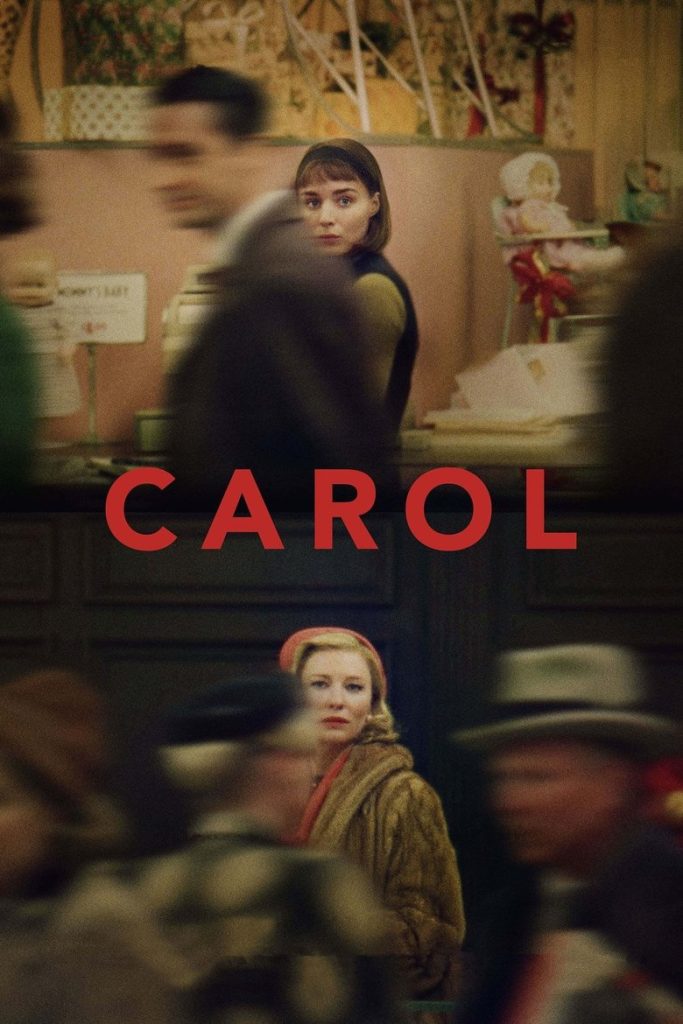
Carol is a 2015 romantic drama film set in 1950s New York City. The story follows a young photographer who develops a relationship with an older woman going through a difficult divorce. The film explores themes of love, societal expectations, and personal identity against the backdrop of a conservative era. It's a character-driven story focusing on emotional connections rather than dramatic plot events.
Parent Guide
A mature romantic drama with themes of same-sex relationships and divorce in 1950s America. Best suited for older teenagers with parental guidance for discussion of adult themes.
Content breakdown
No physical violence shown. Some emotional tension and relationship conflicts create mild dramatic peril.
Some emotionally intense scenes and discussions of difficult life situations. No horror elements or jump scares.
Occasional mild profanity. No strong or frequent offensive language.
Implied sexual relationships and romantic intimacy. Some kissing and suggestive scenes. No explicit nudity shown.
Social drinking shown in some scenes. Characters smoke cigarettes, reflecting the time period.
Strong emotional themes including forbidden love, divorce, and societal pressure. Characters experience significant emotional turmoil.
Parent tips
This film contains mature themes including same-sex relationships and divorce that may require explanation for younger viewers. The R rating indicates content suitable for viewers 17 and older without parental guidance, though mature teenagers may appreciate the film with parental discussion. Parents should be aware that the film portrays emotional intensity and complex adult relationships that younger children may find confusing or uninteresting.
Parent chat guide
Parent follow-up questions
- What did you notice about how the characters talked to each other?
- How did the music make you feel during the movie?
- What colors did you see most in the movie?
- Did you see any animals or pets in the movie?
- What was your favorite part of watching this movie?
- How do you think the characters were feeling in different scenes?
- What did you notice about how people dressed in this movie compared to today?
- Why do you think some characters seemed unhappy?
- What makes a good friend in this story?
- How do you think the setting (time and place) affected the story?
- How does this film show people dealing with difficult choices?
- What do you think the film says about following your heart versus following rules?
- How did the historical setting influence the characters' decisions?
- What different kinds of love did you see portrayed in the film?
- How do you think photography (the main character's job) relates to the story's themes?
- How does the film portray the tension between personal desire and societal expectations?
- What commentary does the film make about gender roles in the 1950s?
- How does the cinematography and visual style contribute to the emotional tone?
- What do you think the film suggests about the price of authenticity?
- How might this story be different if set in today's society?
🎭 Story Kernel
At its core, 'Carol' is less about the romance between Therese and Carol and more about the profound loneliness of living inauthentically within societal constraints. Therese's journey represents the awakening of desire and identity, while Carol's struggle embodies the cost of maintaining appearances versus pursuing genuine happiness. Their relationship becomes a catalyst for self-discovery, with each character ultimately choosing a path toward authenticity—Therese by embracing her desires, Carol by sacrificing her marriage and custody battle for freedom. The film explores how love can both imprison and liberate, depending on whether it's expressed openly or hidden away.
🎬 Visual Aesthetics
Director Todd Haynes uses a muted, almost painterly color palette dominated by warm browns, soft greens, and creamy whites that evoke 1950s nostalgia while creating emotional distance. The cinematography frequently frames characters through windows, doorways, and reflections, visually emphasizing their separation from the world around them. Close-ups on hands, eyes, and subtle gestures convey more emotion than dialogue ever could. The camera often lingers on empty spaces after characters exit, highlighting the loneliness that permeates their lives. The visual style creates a sense of intimacy while maintaining the period's formal restraint.
🔍 Details & Easter Eggs
💡 Behind the Scenes
Cate Blanchett studied 1950s lesbian pulp novels to understand Carol's character, while Rooney Mara watched French New Wave films to capture Therese's observational quality. The film was shot on Super 16mm film to achieve the grainy, nostalgic look of 1950s photography. Director Todd Haynes insisted on using period-accurate props, including authentic 1950s department store merchandise and vehicles. Patricia Highsmith's original novel 'The Price of Salt' was groundbreaking for having a happy ending for its lesbian characters, unusual for 1950s literature.
Where to watch
Choose region:
- HBO Max
- HBO Max Amazon Channel
- Cinemax Amazon Channel
- Cinemax Apple TV Channel
- Amazon Video
- Apple TV
- Google Play Movies
- YouTube
- Fandango At Home
- Spectrum On Demand
Trailer
Trailer playback is unavailable in your region.