
Casablanca (1943)
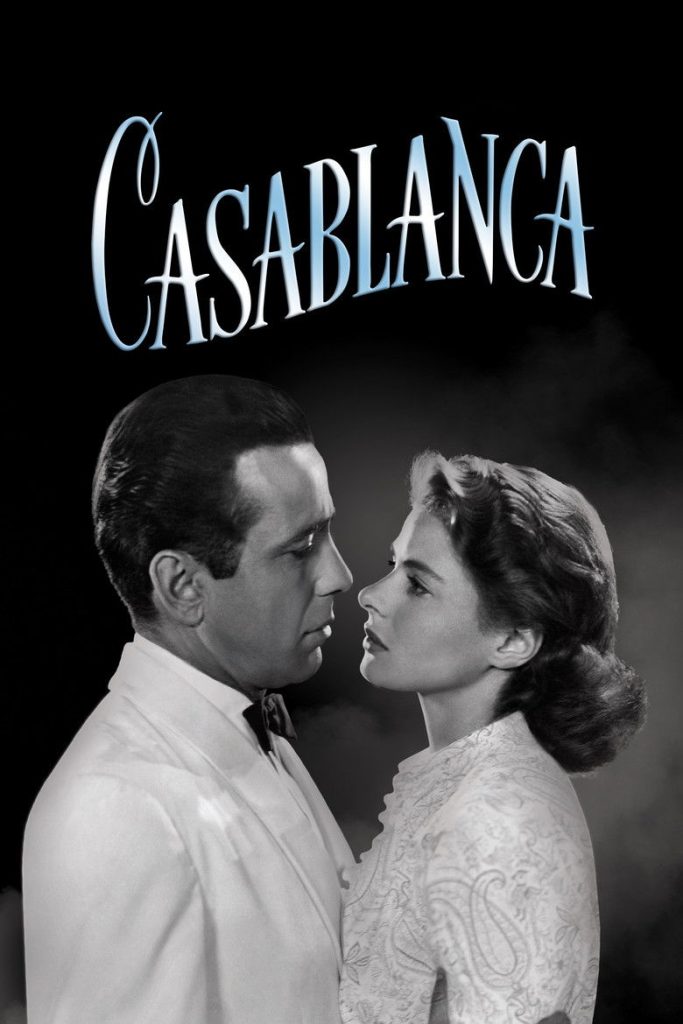
Story overview
Set in Casablanca, Morocco during World War II, this classic film follows an American expatriate who runs a popular nightclub. His world is disrupted when a former lover unexpectedly arrives in town with her husband, forcing him to confront past emotions and make difficult choices. The story explores themes of love, sacrifice, and moral decisions against the backdrop of wartime tensions and political refugees seeking escape from Nazi-occupied Europe.
Parent Guide
A classic wartime romance with mature themes and emotional complexity suitable for older children and teens with parental guidance.
Content breakdown
Some tense situations involving political danger and implied threats, with brief scenes of characters being arrested or facing potential harm. One character is shot off-screen with minimal detail shown.
Wartime tension and political uncertainty create an atmosphere of anxiety. Some scenes show characters in distressing situations, but nothing graphically disturbing.
Period-appropriate mild language and insults typical of 1940s films. No modern profanity or explicit language.
Romantic relationships and implied past intimacy between characters. Some kissing and affectionate gestures, but no explicit sexual content or nudity.
Frequent social drinking and smoking throughout the film, reflecting 1940s social norms. Characters are shown drinking alcohol in nightclub settings and smoking cigarettes regularly.
Strong emotional themes including lost love, sacrifice, moral dilemmas, and wartime stress. Characters experience significant emotional turmoil and make difficult personal decisions.
Parent tips
Casablanca is a PG-rated classic that deals with mature themes including wartime politics, romantic relationships, and moral dilemmas. While there's no graphic violence or explicit content, the film contains emotional intensity, some drinking and smoking, and complex adult situations that may require explanation for younger viewers. The black-and-white cinematography and 1940s style might feel dated to modern children, but the timeless themes remain relevant.
Parents should be aware that the film portrays characters in morally ambiguous situations, including discussions about political corruption, betrayal, and difficult choices between personal happiness and doing what's right. The wartime setting involves tension and peril as characters navigate occupied territories and seek escape routes, though actual violence is minimal and mostly implied rather than shown.
Parent chat guide
During the film, you could pause occasionally to check if your child understands what's happening, especially regarding the political situation and character motivations. Point out how the characters show different ways of responding to difficult circumstances - some act selfishly while others show courage and sacrifice.
After watching, focus discussions on the film's themes rather than plot details. Ask about how the characters handled their situations and what your child thinks about their choices. Discuss what loyalty and sacrifice mean, and how people can do the right thing even when it's personally difficult.
Parent follow-up questions
- What did you notice about how the people dressed in the movie?
- How did the music make you feel during different parts?
- What was your favorite part of the movie?
- Did you see any people being kind to each other?
- What colors did you see in the movie?
- Why do you think the characters had to make such hard choices?
- What does it mean to be brave in a difficult situation?
- How did the characters show they cared about each other?
- What was different about how people lived during that time compared to now?
- Why do you think some characters helped others even when it was risky?
- What moral dilemmas did the main characters face, and how did they resolve them?
- How does the film show the tension between personal desires and doing what's right?
- What does the film suggest about love and sacrifice?
- How did the historical setting affect the characters' decisions?
- What different types of courage did you see in the movie?
- How does the film explore the concept of moral ambiguity in wartime situations?
- What commentary does the film make about political corruption and personal integrity?
- How are themes of exile and displacement portrayed in the characters' experiences?
- In what ways does the film challenge traditional notions of heroism and romance?
- How does the historical context influence the film's treatment of loyalty and betrayal?
🎭 Story Kernel
At its core, Casablanca isn't a love story but a story about moral awakening in a world that makes morality impossible. Rick Blaine's journey from cynical neutrality to active sacrifice reveals the film's true subject: how personal redemption emerges from political commitment. Every character operates under duress—Victor Laszlo's idealism, Ilsa's torn loyalties, even Captain Renault's opportunistic survivalism—all driven by the desperate calculus of war. The famous ending works because Rick chooses a cause larger than himself, transforming a private romance into a public act of resistance. The film argues that in times of crisis, love manifests not through possession but through release for a greater good.
🎬 Visual Aesthetics
Michael Curtiz's direction uses shadow and light like moral chiaroscuro—Rick's face half-hidden in darkness during early scenes, emerging into full illumination as he reclaims his ideals. The confined spaces of Rick's Café create a microcosm of wartime Europe, with the camera tracking through crowds to emphasize entrapment and surveillance. Notice how Ilsa is often shot through veils, windows, or mist, visually representing her elusive nature and Rick's idealized memory. The iconic airport finale uses fog both practically (hiding the runway) and symbolically—characters making decisions in moral ambiguity, with the searchlights cutting through like sudden clarity.
🔍 Details & Easter Eggs
💡 Behind the Scenes
Humphrey Bogart was third choice for Rick—the role was first offered to Ronald Reagan. The script was famously unfinished during filming, with the ending undecided until days before shooting. Dooley Wilson (Sam) couldn't actually play piano—his hands were shot from above while a real pianist played off-camera. Most exterior 'Casablanca' scenes were recycled from other Warner Bros. films, with the airport fog created by burning insecticide to hide the limited set. The film's rushed production (shot in under three months) created its urgent, improvisational energy that mirrors the characters' desperation.
Where to watch
Choose region:
- HBO Max
- HBO Max Amazon Channel
- Cinemax Amazon Channel
- Cinemax Apple TV Channel
- Amazon Video
- Apple TV
- Google Play Movies
- YouTube
- Fandango At Home
- Spectrum On Demand
Trailer
Trailer playback is unavailable in your region.