
Cast Away (2000)
Story overview
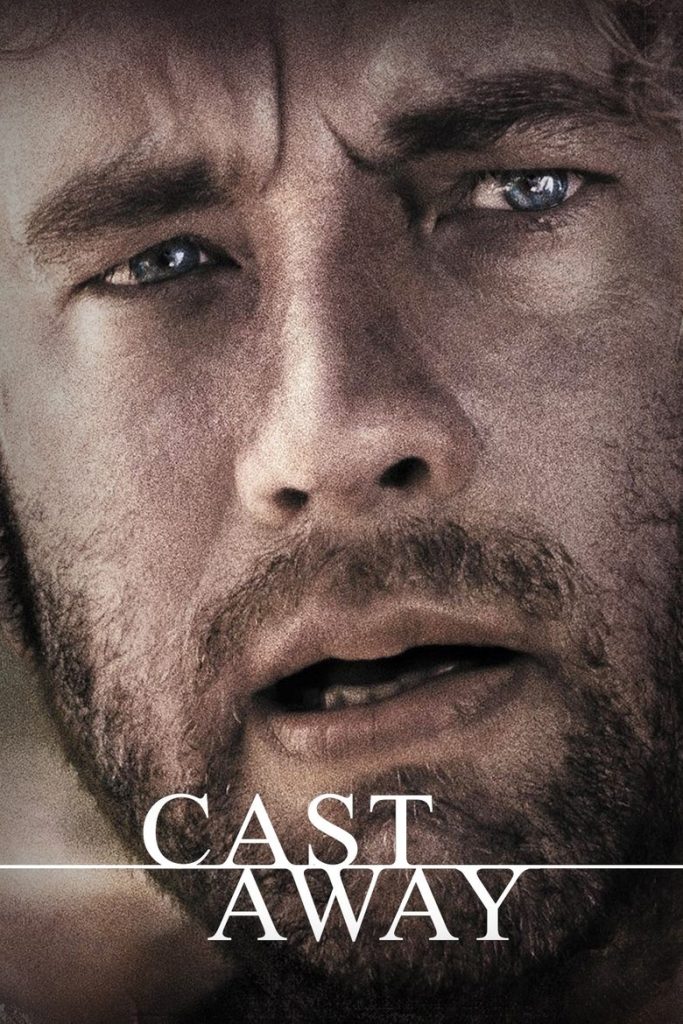
Cast Away follows a FedEx systems engineer whose plane crashes over the South Pacific, leaving him stranded on a deserted island. He must learn to survive alone for years, facing physical challenges and profound isolation. The film explores themes of resilience, human connection, and the struggle to maintain hope in extreme circumstances.
Parent Guide
Intense survival drama with emotional depth suitable for mature pre-teens and teens. Focuses on psychological and physical challenges of isolation.
Content breakdown
Plane crash sequence with intense peril. Survival scenes include self-dental extraction with crude tools, injury from falls, and life-threatening situations. No human-on-human violence.
Intense scenes of isolation and desperation. Realistic depictions of injury treatment. Psychological distress from prolonged solitude. Storm sequences create tension.
Occasional mild profanity. Some emotional outbursts with mild language. Nothing extreme or frequent.
Brief non-sexual nudity when character examines his emaciated body. Romantic themes in relationships but no sexual content.
No substance use depicted. Character searches plane wreckage for supplies but finds none.
Profound themes of loss, isolation, and existential crisis. Extended sequences of solitary struggle. Emotional reunion scenes. Themes may be heavy for sensitive viewers.
Parent tips
This film deals with intense survival situations and emotional themes that may be challenging for younger viewers. The protagonist faces life-threatening peril, extreme loneliness, and graphic depictions of injury and self-treatment. While there's minimal violence from other humans, the survival scenes show realistic struggles that could be disturbing.
Parents should be prepared to discuss themes of loss, perseverance, and what it means to be truly alone. The film's middle section has minimal dialogue, creating a contemplative but potentially anxiety-inducing atmosphere. The PG-13 rating reflects these intense elements rather than typical content concerns.
Parent chat guide
For older children, you might explore philosophical questions about what gives life meaning when stripped of modern conveniences. The ending raises questions about change and adaptation that can lead to meaningful family discussions about life transitions.
Parent follow-up questions
- What did the man use to help him survive on the island?
- How did he make friends with Wilson?
- What was the hardest thing about being alone?
- How did he get food and water?
- What made him feel happy or sad?
- What skills did he need to learn to survive?
- Why was keeping track of time important to him?
- How did he solve problems without any tools at first?
- What did Wilson represent to him?
- How did being alone change him?
- What psychological challenges did he face besides physical ones?
- How did his priorities change during his time on the island?
- What does the film say about human adaptability?
- Why do you think he made certain choices about leaving?
- How did his experience affect his relationships later?
- How does the film explore themes of existential isolation?
- What commentary does it make about modern society versus primal survival?
- How does the passage of time affect his sense of self?
- What philosophical questions does his experience raise about purpose?
- How does the film handle the concept of 'returning' to a changed world?
🎭 Story Kernel
Cast Away explores the fundamental human need for purpose and connection through Chuck Noland's physical and psychological journey. The film isn't about survival techniques but about what happens when identity—built entirely on systems, schedules, and corporate efficiency—is stripped away. Chuck's transformation occurs not when he learns to make fire, but when he creates Wilson, projecting his need for relationship onto a volleyball. The film's true tension isn't whether he'll escape the island, but whether he'll rediscover meaning after losing everything that defined him. His return to civilization reveals that surviving isn't the same as living—the island's isolation taught him what truly matters.
🎬 Visual Aesthetics
Zemeckis employs a stark visual evolution: from the cold, blue-tinged corporate world to the island's washed-out, desaturated palette that mirrors Chuck's emotional emptiness. The camera lingers on mundane objects—a volleyball, a pocket watch, ice skates—transforming them into profound symbols. Time's passage is visually marked through Chuck's physical deterioration and the island's changing seasons. The ocean serves as both prison and possibility, captured in sweeping shots that emphasize both its beauty and terror. The film's most powerful visual contrast comes in the final scenes, where Chuck stands at a literal crossroads, the composition framing his choice between past connections and unknown future.
🔍 Details & Easter Eggs
💡 Behind the Scenes
Tom Hanks lost 55 pounds over four months for the island sequences, which were filmed first. The production then shut down for a year so Hanks could regain weight and grow his hair back for the post-rescue scenes. The Wilson volleyball wasn't planned—it became a character after the crew played volleyball during breaks. The island scenes were shot in Fiji's Monuriki Island, which saw increased tourism after the film's release. Robert Zemeckis insisted on minimal music during island sequences, using only natural sounds to enhance isolation.
Where to watch
Choose region:
- Netflix
- fuboTV
- MGM+ Amazon Channel
- MGM Plus Roku Premium Channel
- YouTube TV
- Philo
- Netflix Standard with Ads
- Amazon Video
- Apple TV
- Google Play Movies
- YouTube
- Fandango At Home
Trailer
Trailer playback is unavailable in your region.