
Charlie and the Chocolate Factory (2005)
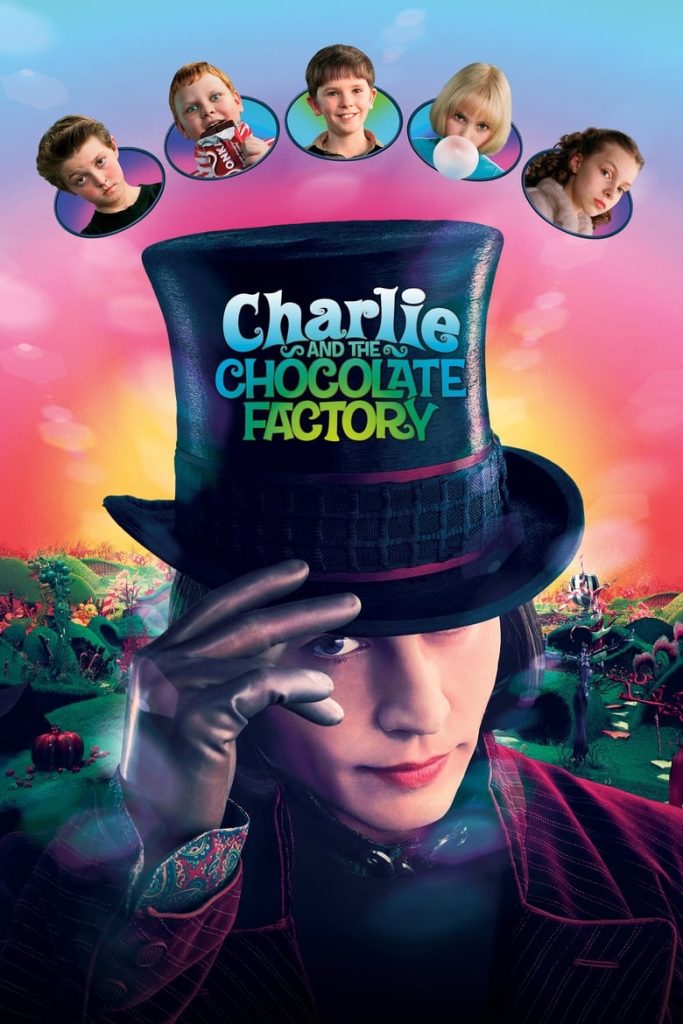
Story overview
This fantasy adventure follows young Charlie Bucket, who wins a golden ticket to tour the mysterious chocolate factory of eccentric candymaker Willy Wonka. Inside the magical factory, Charlie and four other children encounter fantastical rooms and strange Oompa-Loompa workers. The story explores themes of greed, kindness, and family through imaginative scenarios and musical numbers.
Parent Guide
A visually imaginative fantasy with dark humor and moral lessons, suitable for most children 8+ with parental guidance for intense moments.
Content breakdown
No physical violence. Children face exaggerated, non-graphic consequences for misbehavior (like turning into blueberries). Some perilous factory machinery scenes.
Surreal, sometimes creepy imagery including unusual creatures and dark factory settings. Oompa-Loompa musical numbers with darkly humorous themes. Some children might find Wonka's eccentric behavior unsettling.
No offensive language. Some mild insults between children.
No sexual content or nudity.
No substance use. Focus is on candy consumption.
Moderate intensity during factory mishaps. Charlie's family poverty might evoke sympathy. Dark humor might confuse younger viewers.
Parent tips
This film contains some dark humor and exaggerated consequences for children's bad behavior that might be intense for sensitive viewers. The factory scenes include surreal, sometimes creepy imagery like chocolate rivers and unusual creatures. The Oompa-Loompa musical numbers feature darkly humorous lyrics about the children's flaws.
Consider discussing the moral lessons about greed, gluttony, and entitlement portrayed through the children's fates. The film's visual style is highly stylized with Tim Burton's signature gothic aesthetic, which some children might find unsettling despite the PG rating.
Prepare for questions about poverty (Charlie's family is very poor) and the factory's unusual safety standards. The film has several scenes where children face exaggerated, non-graphic consequences for their misbehavior.
Parent chat guide
You could explore: 'What was your favorite room in the factory and why?' This encourages imagination while avoiding darker elements. For older children, discuss the film's messages about consumerism, family values, and Wonka's unusual parenting philosophy.
Consider asking: 'How do you think Charlie felt about his family throughout the story?' This addresses themes of poverty and gratitude. The film provides opportunities to talk about making good choices even when tempted.
Parent follow-up questions
- What was your favorite candy in the movie?
- How did Charlie help his family?
- What sounds did the factory make?
- Why do you think some children didn't listen to Mr. Wonka's warnings?
- What made Charlie different from the other children?
- How would you describe the Oompa-Loompas?
- What lessons do you think the movie was trying to teach about behavior?
- How did the movie show the importance of family?
- What did you think about Willy Wonka's unusual way of running his factory?
- How does the film use exaggeration to comment on children's flaws?
- What does the factory represent symbolically in the story?
- How does the film handle themes of poverty versus wealth?
🎭 Story Kernel
At its core, the film critiques modern consumerism and parenting through Willy Wonka's twisted factory tour. Each child's downfall—Augustus's gluttony, Violet's competitiveness, Veruca's entitlement, Mike's screen addiction—serves as a moral fable against excess. Wonka himself is driven by a deep-seated trauma from his dentist father's candy prohibition, making his factory a sanctuary of rebellion. Charlie's humility and family loyalty triumph not by defeating Wonka, but by rejecting the prize's conditions, highlighting that true wealth lies in human connection, not material gain.
🎬 Visual Aesthetics
Tim Burton's signature gothic whimsy saturates the film with a stark contrast: the drab, gray poverty of Charlie's world versus the vibrant, surreal candy landscape inside the factory. Camera angles often tilt or swoop to emphasize Wonka's eccentricity and the factory's chaotic magic. The Oompa-Loompa musical numbers use stylized, theatrical choreography and changing color palettes to mirror each child's vice, turning moral lessons into psychedelic spectacles that blend dark humor with visual excess.
🔍 Details & Easter Eggs
💡 Behind the Scenes
Johnny Depp based his portrayal of Willy Wonka on a blend of children's TV hosts and reclusive celebrities, aiming for an unsettling yet charismatic vibe. The film's chocolate river was made from real chocolate mixed with water, but it spoiled quickly during filming. Deep Roy played all 165 Oompa-Loompas through digital cloning, performing each dance routine individually for different scenes.
Where to watch
Choose region:
- fuboTV
- HBO Max
- HBO Max Amazon Channel
- Paramount Plus Essential
- Amazon Video
- Apple TV
- Google Play Movies
- YouTube
- Fandango At Home
- Spectrum On Demand
- Plex
Trailer
Trailer playback is unavailable in your region.