
Chasing Coral (2017)
Story overview
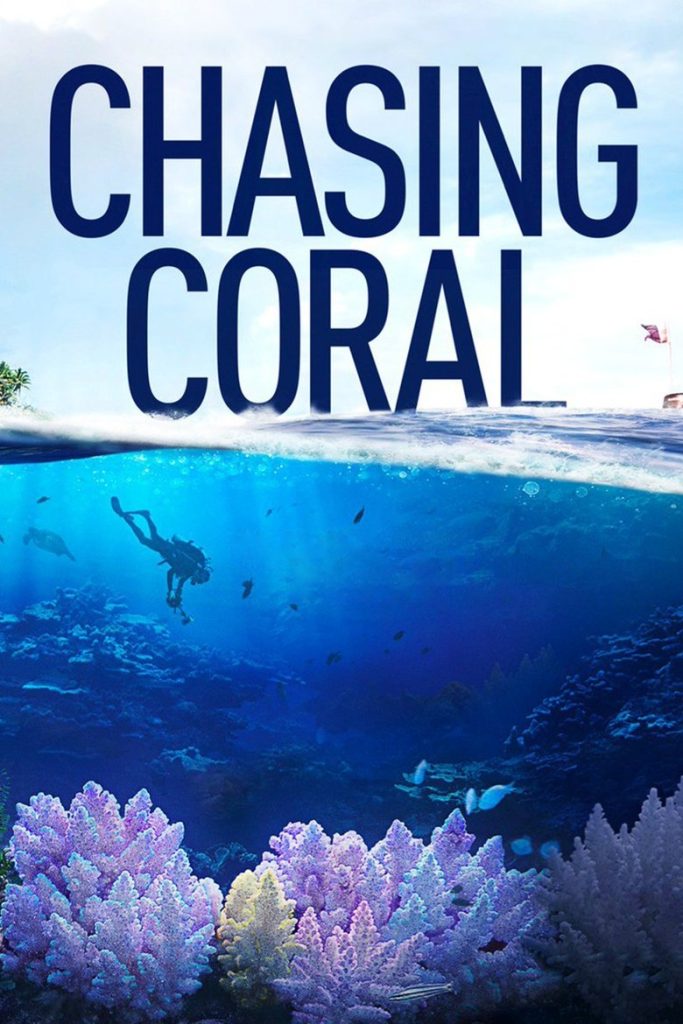
Chasing Coral is a 2017 documentary that follows a team of scientists and photographers as they document the devastating effects of climate change on coral reefs worldwide. The film reveals the alarming phenomenon of coral bleaching, where corals expel the algae that give them color and nutrients, leading to mass death. Through stunning underwater cinematography and personal stories, it highlights the urgent environmental crisis and the passionate efforts to raise public awareness about the ocean's declining health.
Parent Guide
A thought-provoking documentary suitable for older children and teens, with mild emotional intensity due to its environmental themes. It offers educational value without concerning content in other categories.
Content breakdown
No violence or peril depicted; the focus is on environmental changes and scientific observation.
Scenes of bleached and dead corals might be sad or disturbing for sensitive viewers, but they are presented in a factual, non-graphic manner.
No offensive or strong language; the dialogue is professional and educational.
No sexual content or nudity.
No depiction of substance use.
The documentary addresses serious environmental loss, which may evoke sadness or concern, but it balances this with messages of hope and activism.
Parent tips
This documentary is educational and visually engaging, but it addresses serious environmental issues that may be distressing for sensitive viewers. Consider watching together to discuss the science and solutions. The film includes scenes of dead and bleached corals, which might be upsetting, but it also emphasizes hope and action. It's suitable for children interested in science or nature, with parental guidance to process the emotional content.
Parent chat guide
Parent follow-up questions
- What colors did you see in the coral?
- Did you like the fish in the movie?
- How can we keep the ocean clean?
- What is coral bleaching?
- Why are coral reefs important?
- What can we do to help the corals?
- How does climate change cause coral bleaching?
- What did the scientists do in the film?
- What are some solutions to protect coral reefs?
- What are the global implications of coral reef loss?
- How does this documentary use storytelling to raise awareness?
- What role can individuals play in addressing climate change?
🎭 Story Kernel
The film transcends a simple environmental documentary by framing its central conflict as a race against time to capture irrefutable visual proof of coral bleaching. It's driven by the desperate, almost obsessive passion of its subjects—like coral reef surveyor Richard Vevers and underwater photographer Zack Rago—who are compelled to bear witness to an ecological catastrophe unfolding in slow motion. Their motivation isn't just scientific; it's a profound, personal grief and a need to make the invisible, visible. The core theme is the tragic disconnect between human perception and planetary reality, arguing that we fail to act because we cannot see the scale of the loss happening beneath the waves.
🎬 Visual Aesthetics
The film's visual language is a masterclass in contrast. It juxtaposes the vibrant, psychedelic beauty of healthy reefs—captured in stunning time-lapses that make coral polyps look like blooming alien flowers—against the stark, ghostly white and decaying brown of bleached skeletons. The camera often lingers in static, wide shots of these dead zones, forcing a contemplative horror. The most powerful visual motif is the time-lapse sequence of a single reef deteriorating over weeks, a heartbreaking transformation from a bustling metropolis of life to a silent graveyard, achieved through custom-built underwater camera rigs.
🔍 Details & Easter Eggs
💡 Behind the Scenes
The film's groundbreaking time-lapse sequences, crucial to its impact, were a monumental technical challenge. The team invented custom underwater camera housings and rigs that could operate autonomously for months on the Great Barrier Reef and other locations. Photographer Zack Rago, initially a camera technician, became a central emotional figure after forming a deep attachment to the specific reef he was documenting. Much of the most devastating bleaching footage was captured during a massive, global bleaching event in 2016, which the production team raced to document as it was happening.
Where to watch
Choose region:
- Netflix
- Netflix Standard with Ads
Trailer
Trailer playback is unavailable in your region.