
Chernobyl: The Lost Tapes (2022)
Story overview
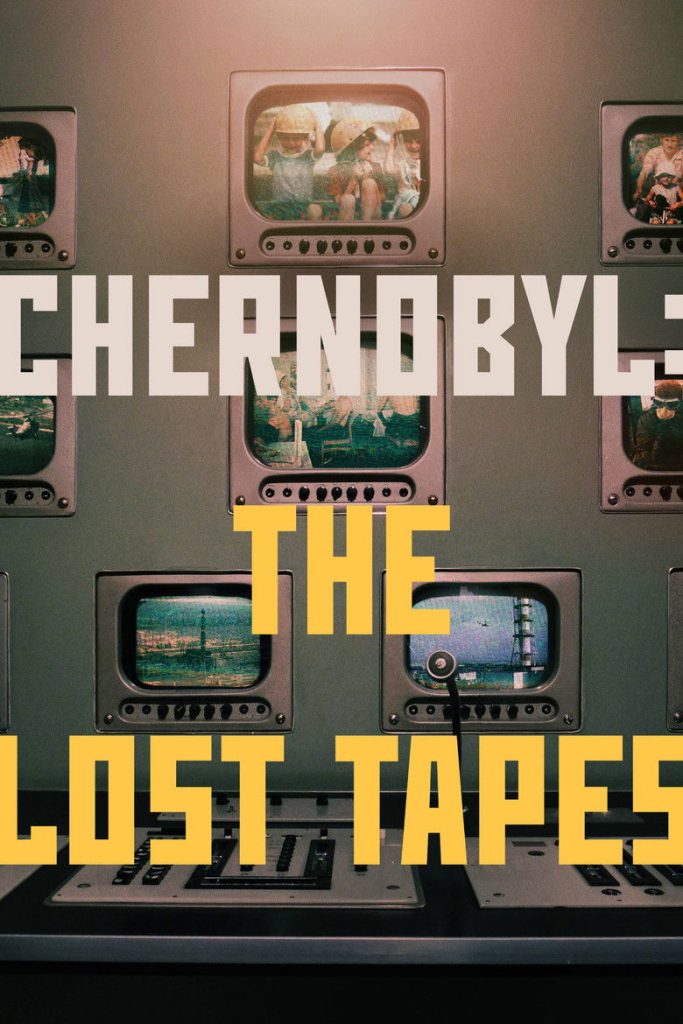
This documentary uses archival footage and interviews to tell the true story of the 1986 Chernobyl nuclear disaster, focusing on the explosion's impact, the Soviet government's cover-up attempts, and the experiences of those involved, including soldiers sent to clean up the damage. It presents a serious, factual account of a historical tragedy.
Parent Guide
A documentary about the Chernobyl nuclear disaster, using archival footage and interviews to explore the event, cover-up, and human impact. It is educational but deals with serious, potentially distressing real-world events.
Content breakdown
Discusses and shows aftermath of a nuclear explosion, including references to deaths, injuries, and hazardous conditions. Archival footage may depict damaged environments and people in peril, but no graphic violence.
The subject matter is inherently disturbing due to the scale of the disaster, radiation dangers, and human suffering. Footage of the destroyed reactor and affected areas might be unsettling. Themes of government deception and loss of life could be distressing for sensitive viewers.
No offensive language expected in this documentary-style presentation.
No sexual content or nudity.
No depiction of substance use.
Emotionally intense due to the tragic real-life events, personal accounts from survivors, and themes of betrayal and disaster. May evoke sadness, anxiety, or anger about the historical events.
Parent tips
This documentary deals with a real-life nuclear disaster and its aftermath, including government deception and human suffering. It may be intense for younger viewers due to its serious subject matter and archival footage showing the disaster's effects. Best suited for mature children who can handle historical tragedies and discussions of government accountability.
Parent chat guide
Parent follow-up questions
—
- What is a nuclear power plant?
- Why is it important to tell the truth about accidents?
- How did the Soviet government try to cover up the disaster, and why?
- What were the long-term effects of Chernobyl on people and the environment?
- What does Chernobyl reveal about the relationship between government power and public safety during the Cold War?
- How do modern nuclear safety protocols compare to those in 1986, and what lessons were learned?
🎭 Story Kernel
The film's core is not about the technical failure of a reactor, but the catastrophic failure of human systems—specifically, the Soviet ideology of infallibility. It expresses how a culture of secrecy, obedience, and fear can override basic physics and biology. The characters are driven not by malice, but by a conditioned reflex to protect the state's image at all costs, even as reality disintegrates around them. The real antagonist is the institutional lie, and the heroes are those who, against immense pressure, choose to bear witness to the truth, however horrifying.
🎬 Visual Aesthetics
The aesthetic is defined by the haunting verité of archival footage, creating an immersive, you-are-there dread. The camera language is often unsteady, intimate, and observational, placing the viewer in the chaotic control rooms and deserted streets of Pripyat. The color palette is dominated by the sickly greens and grays of low-light film stock, punctuated by the stark, clinical white of hospital corridors and protective suits. This rawness is contrasted with chillingly serene shots of the abandoned city, where the symbolism lies in the mundane—a child's toy, a set table—frozen in time by the invisible poison.
🔍 Details & Easter Eggs
💡 Behind the Scenes
The film is constructed entirely from recently declassified Soviet archival footage and audio recordings, much of which was hidden for decades. The filmmakers had to meticulously restore and digitize decaying film reels and audio tapes. The haunting audio of control room conversations and emergency transmissions are real, not recreations. A significant challenge was sourcing and verifying the footage, as much of it was originally shot for internal state reports and propaganda, requiring careful historical cross-referencing to present an accurate timeline.
Where to watch
Choose region:
- HBO Max
- HBO Max Amazon Channel
Trailer
Trailer playback is unavailable in your region.