
Chhota Bheem: Master of Shaolin (2011)
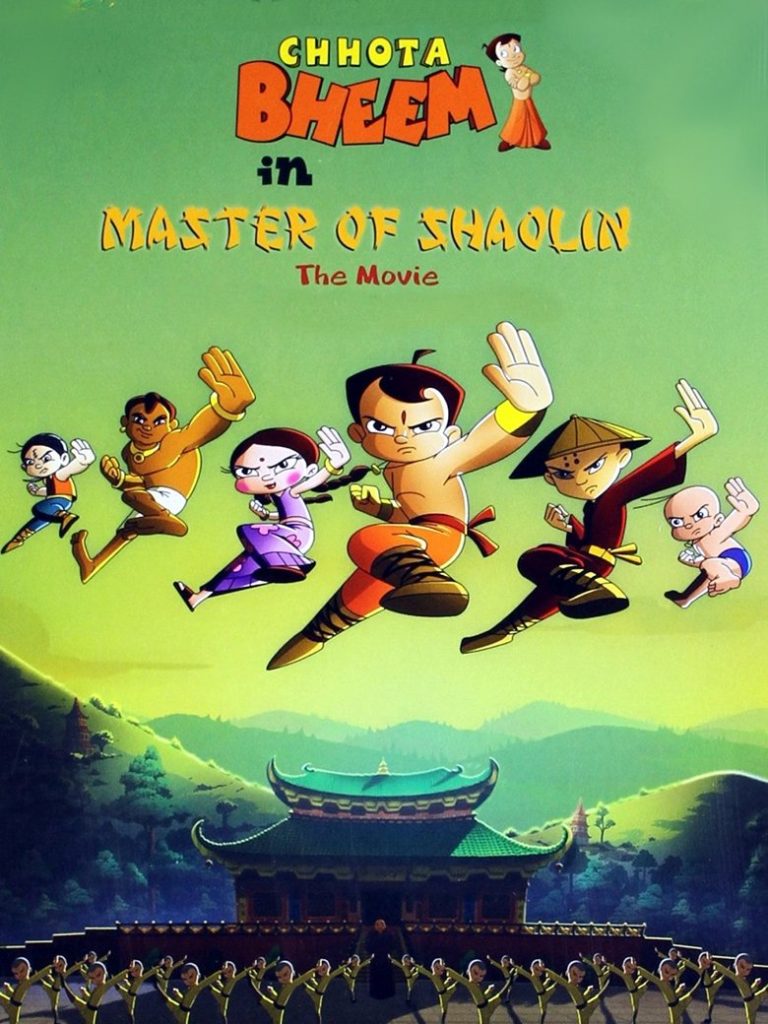
Story overview
Chhota Bheem: Master of Shaolin is an animated adventure where the heroic character Bheem is called upon by a monk to help reclaim a temple from a dangerous leader. To succeed in this mission, Bheem must learn and master Shaolin kung fu techniques. The story follows his journey of training and determination as he prepares to face the challenge ahead. This TV movie combines action with themes of perseverance and helping others in need.
Parent Guide
An animated adventure with martial arts action and positive themes of helping others and perseverance. Suitable for most children with parental guidance for action sequences.
Content breakdown
Cartoon-style martial arts action with kicks, punches, and acrobatic moves. Characters engage in stylized fighting to reclaim a temple, but no graphic injuries or blood are shown.
A dangerous leader presents a threat, and there are confrontation scenes that might be tense for very young viewers. The overall tone remains adventurous rather than frightening.
No offensive language is expected in this children's animated film.
No sexual content or nudity in this children's animated film.
No depiction of substance use in this children's animated film.
Some scenes of determination during training and confrontation with the antagonist create mild emotional engagement. The resolution is positive and uplifting.
Parent tips
This animated film features martial arts action sequences with cartoon-style fighting, including kicks, punches, and acrobatic moves typical of kung fu movies. The conflict centers around reclaiming a temple from a villain, which may involve mild peril and confrontation scenes. Parents should note that while the violence is stylized and non-graphic, younger or more sensitive children might find some action sequences intense.
The story emphasizes positive values such as dedication to training, helping those in need, and overcoming challenges through perseverance. The main character serves as a heroic role model who works hard to master new skills for a noble cause. These themes provide good discussion points about practice, discipline, and standing up for what's right.
At 75 minutes, the film is appropriately paced for children's attention spans. The animation style is colorful and engaging, typical of children's programming from India. Since this is a TV movie, it maintains a television-appropriate level of content throughout.
Parent chat guide
During viewing, if action scenes become intense, you can point out how the characters are using their skills responsibly to protect others rather than for aggression. You might also discuss how Bheem's training shows the importance of practice and patience when learning something new.
After the movie, talk about the themes of helping others and working hard to achieve goals. Ask what skills your child would like to master and why, or discuss times when they've had to practice something difficult. You can also explore the difference between using physical skills for protection versus aggression.
Parent follow-up questions
- What was your favorite part of the movie?
- How did Bheem help the monk?
- What did Bheem learn to do?
- Was there anything that made you feel worried?
- What color was your favorite character?
- Why did Bheem need to learn kung fu?
- What makes someone a good helper like Bheem?
- How do you think Bheem felt when he was learning something new?
- What would you do if you needed to help someone?
- What does it mean to 'practice' something?
- What qualities made Bheem successful in his mission?
- How does this movie show the importance of discipline and training?
- What are some positive ways to handle conflicts instead of fighting?
- Why do you think the temple was important to protect?
- What other skills besides fighting can help people solve problems?
- How does this film portray the concept of duty or responsibility?
- What cultural elements of Shaolin training did you notice in the animation?
- How might the themes of this story apply to real-life challenges?
- What makes a leader 'dangerous' versus simply having different goals?
- How do animated action films balance entertainment with positive messaging?
🎭 Story Kernel
At its core, 'Chhota Bheem: Master of Shaolin' explores the tension between cultural preservation and cross-cultural exchange. Bheem's journey from Dholakpur to China isn't just about mastering martial arts—it's about discovering that true strength lies in adaptability rather than rigid tradition. The film cleverly uses the Shaolin setting to examine how different cultures can enrich each other, with Bheem serving as a bridge between Indian and Chinese philosophies. The villain's motivation—stealing ancient knowledge for power—mirrors real-world concerns about cultural appropriation versus appreciation. Ultimately, the movie argues that martial arts (and by extension, cultural practices) evolve through respectful exchange, not isolation.
🎬 Visual Aesthetics
The animation blends traditional Indian cartoon aesthetics with wuxia-inspired action sequences, creating a unique visual hybrid. The color palette shifts dramatically between locations: Dholakpur maintains bright, primary colors while Shaolin Temple features more muted earth tones and grays, visually emphasizing the cultural transition. Action scenes employ dynamic camera angles reminiscent of live-action martial arts films, with sweeping pans during training sequences and tight close-ups during combat. The film uses visual symbolism effectively—notice how Bheem's orange dhoti stands out against the Shaolin monks' gray robes, representing his outsider status that gradually becomes integrated through shared movement and purpose.
🔍 Details & Easter Eggs
💡 Behind the Scenes
The film represents a significant collaboration between Indian animators and Chinese martial arts consultants. Voice actor Rupa Bhimani recorded Bheem's lines while watching reference footage of actual Shaolin demonstrations to match breathing patterns. Production involved months of research at Shaolin Temple locations, with animators studying traditional movements that were later simplified for the cartoon format. Interestingly, the film's release coincided with diplomatic efforts to strengthen India-China cultural exchanges, though creators maintain this was coincidental. The musical score blends Indian instruments like the sitar with traditional Chinese guzheng, creating a unique fusion that mirrors the plot's cultural dialogue.
Where to watch
Choose region:
- Netflix
- Netflix Standard with Ads
- Google Play Movies
- YouTube