
Chimpanzee (2012)
Story overview
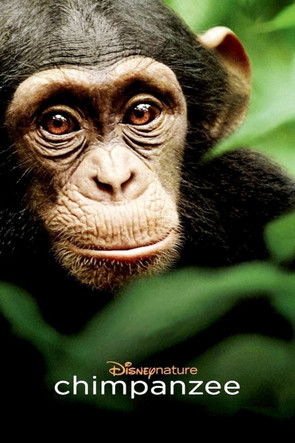
Chimpanzee is a 2012 nature documentary that follows the life of Oscar, a young chimpanzee in the African rainforests. Through his journey, viewers witness the beauty and challenges of chimpanzee society, including learning, play, and family bonds. The film takes an emotional turn when Oscar becomes orphaned and must navigate the dangers of the jungle alone, until an unexpected adoption offers hope. Narrated by Tim Allen, it combines stunning wildlife footage with a heartfelt story about resilience and compassion in the animal kingdom.
Parent Guide
A gentle and educational documentary suitable for most families, with mild emotional intensity due to natural animal behaviors and a storyline involving loss and survival.
Content breakdown
Includes natural peril scenes such as Oscar facing dangers alone in the jungle (e.g., potential predators, harsh weather). No graphic violence, but there are mild confrontations between chimpanzee groups, typical of wildlife behavior.
Some scenes may be disturbing for sensitive viewers, including Oscar's mother's death (implied, not shown graphically) and his initial loneliness. The jungle setting has tense moments, but it's presented in a documentary style without excessive fright.
No offensive language. Narration by Tim Allen is family-appropriate and informative.
No sexual content. Chimpanzees are shown naturally, with no focus on nudity beyond typical animal documentary footage.
No depiction of substance use.
Moderate emotional moments due to Oscar's separation from his mother and his struggle to survive, balanced by uplifting themes of adoption and resilience. May evoke sadness or empathy, especially in younger children.
Parent tips
This G-rated documentary is family-friendly but includes some intense natural moments. Parents should be prepared to discuss themes of loss and survival, as Oscar's mother dies and he faces peril alone. The adoption by an older chimpanzee provides a positive message about care and community. The film is educational about chimpanzee behavior and ecosystems, making it great for sparking interest in nature. For very young children, consider watching together to offer reassurance during emotional scenes.
Parent chat guide
Parent follow-up questions
- What was your favorite part about the chimpanzees?
- How did the big chimpanzee help Oscar?
- What sounds did you hear in the forest?
- Why do you think Oscar's mother had to leave him?
- What challenges did Oscar face in the jungle?
- How are chimpanzee families similar to or different from ours?
- What does this film teach us about animal emotions?
- How do chimpanzees work together in their group?
- What might humans learn from chimpanzee behavior?
- Discuss the ethical aspects of wildlife filmmaking.
- How does this documentary portray the balance of nature?
- What conservation issues are hinted at in the film?
🎭 Story Kernel
At its core, 'Chimpanzee' explores the brutal yet tender dynamics of chimpanzee society through the lens of Oscar's survival story. The film isn't really about nature—it's about family structures, power struggles, and the unexpected bonds that form in crisis. What drives the characters isn't instinct alone but complex social calculations: Freddy's leadership, Scar's aggression, and Isha's maternal instincts all serve survival strategies. The documentary reveals how chimpanzee politics mirror human hierarchies, with alliances, betrayals, and emotional intelligence determining who thrives. The adoption narrative challenges simplistic 'nature is cruel' tropes, showing compassion as an evolutionary advantage.
🎬 Visual Aesthetics
The cinematography employs intimate close-ups that create emotional connection while wide shots establish the lush Tai Forest as both paradise and battlefield. The color palette shifts from warm golds during peaceful moments to cool, shadowy blues during conflicts, visually coding emotional states. Camera movements are remarkably fluid for wildlife footage—steady tracking shots follow chases through dense foliage, while handheld moments during fights create visceral tension. Symbolism emerges through framing: low-angle shots emphasize Freddy's dominance, while eye-level compositions with Oscar humanize his perspective. The visual language treats chimpanzee expressions with the same dramatic weight as human actors.
🔍 Details & Easter Eggs
💡 Behind the Scenes
Disneynature's crew spent three years in Ivory Coast's Tai Forest, using custom-built camera rigs to follow chimpanzees through impossible terrain. The film's dramatic narrative emerged during editing when filmmakers noticed orphan Oscar interacting with alpha male Freddy—a behavior rarely documented. Tim Allen's narration was recorded after footage was assembled, with writers tailoring lines to match observed behaviors rather than scripting fictional plots. Researchers later confirmed the adoption story was genuine, though some scenes were condensed from months into narrative sequences. The production used infrared cameras for night scenes, capturing intimate moments never before filmed in wild chimpanzee communities.
Where to watch
Choose region:
- Disney Plus
- Amazon Video
- Apple TV Store
- Google Play Movies
- YouTube
- Fandango At Home
Trailer
Trailer playback is unavailable in your region.