
Chinatown (1974)
Story overview
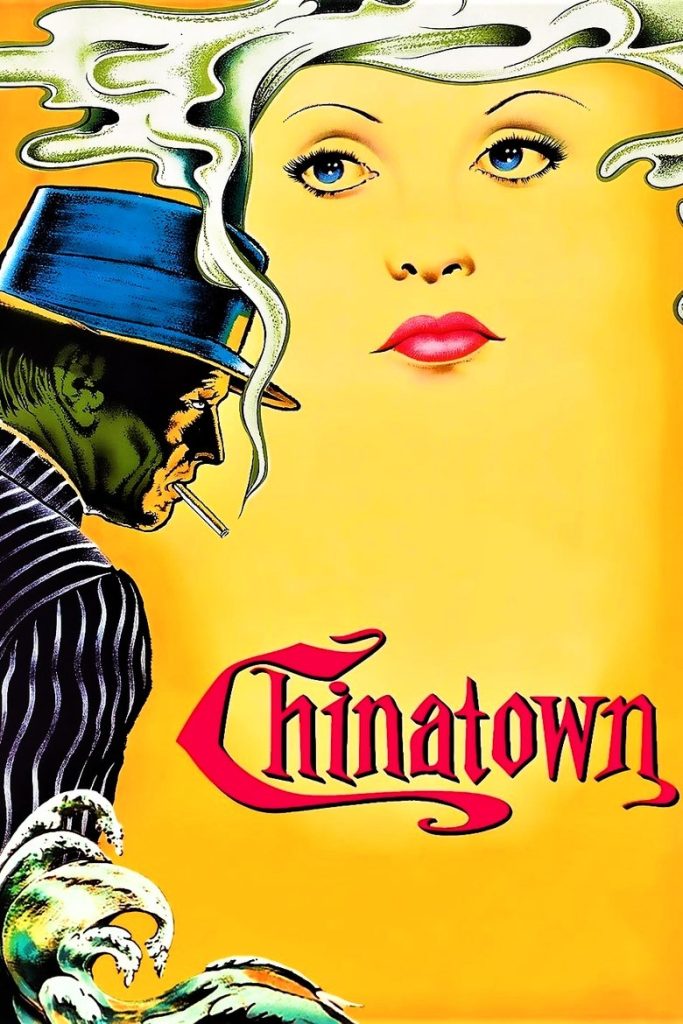
Chinatown is a classic 1970s crime thriller set in 1930s Los Angeles. The film follows a private detective who takes on what seems like a routine case but uncovers deeper corruption and deception. It explores themes of power, greed, and moral ambiguity through its complex characters and intricate plot. The atmospheric storytelling creates a tense, noir-inspired mystery that builds gradually to a dramatic conclusion.
Parent Guide
A complex noir thriller with mature themes and moderate violence, best suited for older teens and adults who can handle psychological tension and moral ambiguity.
Content breakdown
Includes scenes of physical confrontation, a violent assault with implied injury, threatening situations, and a climactic violent incident. While not graphically gory by modern standards, the violence has psychological impact.
Contains psychological tension, disturbing revelations about family relationships, and a generally ominous atmosphere. The film's themes of corruption and betrayal create unease rather than traditional scares.
Includes some strong language and period-appropriate cursing. The language reflects the hard-boiled detective genre and 1930s setting.
Contains references to infidelity and sexual relationships within the plot, but no explicit scenes. Some suggestive dialogue and situations related to the mystery.
Shows social drinking consistent with the 1930s setting, including characters drinking in offices, bars, and social situations. No glorification or excessive use depicted.
Builds psychological tension through the unfolding mystery, with characters facing betrayal and moral dilemmas. The climax delivers emotional impact through revelations rather than action.
Parent tips
Chinatown is rated R for mature themes, violence, and strong language, making it unsuitable for younger viewers. The film deals with complex adult topics including corruption, betrayal, and disturbing family dynamics that may be confusing or upsetting for children. Parents should be aware that while the violence isn't graphic by modern standards, the psychological tension and mature content require viewer discretion.
The film's slow-burn mystery and period setting might challenge younger teens' attention spans, while the nuanced moral questions and ambiguous ending could spark interesting discussions with older teens. The movie's exploration of institutional corruption and personal ethics provides educational value for mature viewers who can handle the dark themes.
Parent chat guide
After watching, focus conversations on the film's themes rather than specific disturbing scenes. Ask open-ended questions about what characters learned, how power can corrupt, and why people sometimes keep secrets. For older teens, discussions could explore the film's commentary on institutions and morality.
If younger viewers accidentally see parts of the film, reassure them that movies often show fictional situations to tell stories, and emphasize the difference between entertainment and real life. Redirect conversations toward the detective work and puzzle-solving aspects rather than the darker elements.
Parent follow-up questions
- What did the detective do in the movie?
- Did you see any cars or clothes that looked old?
- What was your favorite part of the movie?
- How did the detective try to solve the mystery?
- What clues did the detective find?
- Why do you think people in the movie kept secrets?
- How did the setting (time and place) affect the story?
- What made this mystery challenging to solve?
- What methods did the detective use to investigate?
- How did power and money influence the characters' actions?
- What did you think about how the mystery was solved?
- Why do you think the movie is called Chinatown?
- How does the film portray corruption and institutional power?
- What moral dilemmas did the main character face?
- How does the film's ending comment on justice and resolution?
- What techniques did the filmmakers use to create tension and atmosphere?
🎭 Story Kernel
Chinatown is not a mystery about water rights; it's a tragedy about the impossibility of justice in a system built on corruption and inherited sin. The core theme is the violation of innocence—of land, of family, of truth. Jake Gittes is driven by a cynical professionalism that masks a bruised idealism; he believes in facts and order. Evelyn Mulwray is driven by a desperate, traumatic love to protect her daughter/sister from the monstrous patriarch who created them both. Noah Cross is driven by a godlike, amoral hunger for power and possession, believing he owns the future because he has already corrupted the past. The film argues that in such a world, the detective's quest for truth is not heroic but destructive, and the only wisdom is powerlessness.
🎬 Visual Aesthetics
Polanski and cinematographer John A. Alonzo craft a sun-bleached nightmare. The visual palette is harsh, dry California gold and bleached whites, denying the noir its traditional shadows but amplifying a feeling of exposed, inescapable heat. The camera is often static, observing betrayal and violence with a cold, documentarian distance—most famously in the shot of Gittes's sliced nose, framed with clinical precision. Water, the central metaphor, is rarely seen; we see its absence in parched riverbeds and its control in bureaucratic maps. The final, devastating Chinatown sequence uses deep focus and crowded composition to visualize Gittes's helplessness, swallowed by the chaos and institutional futility the location represents.
🔍 Details & Easter Eggs
💡 Behind the Scenes
Robert Towne's original script had a more conventionally hopeful ending, with Evelyn killing Cross and escaping with Katherine. Director Roman Polanski, drawing from his own traumatic life experiences, insisted on the brutally pessimistic finale, famously arguing 'That's the reality.' The iconic line 'Forget it, Jake, it's Chinatown' was ad-libbed by actor John Hillerman. Faye Dunaway reportedly struggled with Polanski's perfectionism; the scene where she slaps Gittes took numerous takes, and Polanski allegedly tore out a chunk of her hair to elicit a genuine reaction of shocked distress for the camera.
Where to watch
Choose region:
- fuboTV
- Paramount+ Amazon Channel
- Paramount+ Roku Premium Channel
- Paramount Plus Essential
- Paramount Plus Premium
- Amazon Video
- Apple TV
- Google Play Movies
- YouTube
- Fandango At Home
- JustWatchTV
- Kanopy
- Hoopla
Trailer
Trailer playback is unavailable in your region.