
Christine (1983)
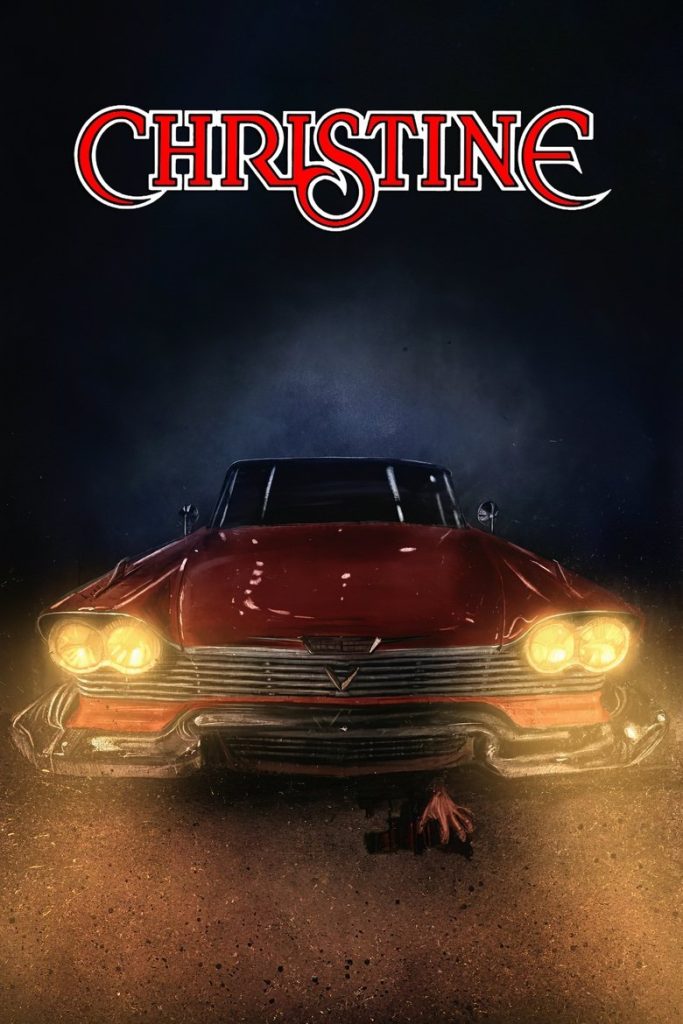
Story overview
Christine is a 1983 horror film directed by John Carpenter about a socially awkward teenager named Arnie Cunningham who becomes obsessed with restoring a 1958 Plymouth Fury named Christine. As Arnie fixes up the car, he undergoes a dramatic personality change from shy nerd to arrogant bully, while the car itself develops a malevolent will of its own, violently attacking anyone who threatens Arnie or the vehicle. The story explores themes of obsession, transformation, and supernatural possession through the lens of a sentient, murderous automobile.
Parent Guide
Christine is an R-rated supernatural horror film with intense violence, strong language, and disturbing themes. The film features graphic vehicular violence, psychological horror, and a protagonist's disturbing transformation from victim to villain. While not excessively gory by modern standards, the film creates sustained tension and features several frightening sequences. The horror comes from both supernatural elements (a sentient, murderous car) and psychological elements (obsession and personality corruption).
Content breakdown
Multiple deaths by vehicular violence including crushing, burning, and collisions. The car Christine acts as a supernatural killer, targeting people who threaten Arnie. Several scenes show characters being chased and attacked by the car. One character is burned alive inside the car. Moderate blood is shown in some scenes. The violence is supernatural but presented realistically within the film's context.
The film creates sustained tension and features jump scares. The concept of a sentient, murderous car is unsettling, as is Arnie's psychological transformation from sympathetic nerd to arrogant bully. The car's supernatural abilities and self-repair scenes are disturbing. The film has a dark atmosphere throughout, with the car serving as a malevolent force that corrupts its owner.
Includes multiple uses of strong language including f-words, s-words, and other profanity typical of an R-rated film from the 1980s. Language is used by teenage characters and adults in tense situations. The frequency is moderate but includes several strong expletives.
Some sexual references and innuendo among teenage characters. Brief kissing scenes between Arnie and his girlfriend. No nudity or explicit sexual content. The film focuses more on horror and psychological themes than sexual content.
Some scenes show teenage characters drinking beer at parties. One scene features characters smoking cigarettes. Substance use is not a major theme but appears as background elements in social situations.
The film explores themes of obsession, bullying, and psychological transformation that may be emotionally intense for some viewers. Arnie's alienation and subsequent corruption create an emotional arc. The destruction of friendships and relationships under the car's influence adds emotional weight. The horror elements are balanced with character development that creates investment in the story.
Parent tips
This R-rated horror film contains intense supernatural violence, strong language, and disturbing themes of obsession and possession. The car Christine acts as a supernatural entity that kills multiple people in graphic ways, including crushing, burning, and vehicular attacks. The film's horror elements are psychological as well as physical, showing a teenager's disturbing transformation under the car's influence. Parents should be aware of the film's scary atmosphere, jump scares, and the underlying message about how obsession can corrupt and destroy relationships.
Parent chat guide
Parent follow-up questions
—
—
- What made the car Christine so special to Arnie?
- How did Arnie's personality change after he got the car?
- Why do you think the car seemed to have a mind of its own?
- How does the film explore the theme of obsession versus healthy passion?
- What commentary might the film be making about American car culture and masculinity?
- How does Arnie's transformation reflect real psychological changes people undergo when consumed by an interest?
- What makes the horror in Christine effective - is it the supernatural elements or the psychological transformation?
🎭 Story Kernel
At its core, 'Christine' is less about a haunted car and more about the parasitic relationship between ambition and identity. Christine Chubbuck isn't driven by supernatural forces but by the crushing pressure of professional validation in a ratings-obsessed media landscape. Her meticulously planned on-air suicide isn't an impulsive breakdown but the ultimate performance piece—a desperate attempt to control her narrative when her career and personal life spiral. The film explores how institutional sexism and workplace toxicity can weaponize someone's passion against them, turning the very tools of her trade (the camera, the broadcast) into instruments of self-destruction. It's a tragedy about what happens when your worth becomes indistinguishable from your work.
🎬 Visual Aesthetics
Director Antonio Campos employs a clinical, observational visual style that mirrors Christine's own journalistic detachment. The camera often lingers in static, uncomfortably long takes, forcing viewers to sit with her quiet desperation. The color palette is dominated by muted 70s browns and yellows—not nostalgic, but sickly, reflecting the decaying optimism of the era. Key scenes use tight close-ups on Rebecca Hall's face, capturing micro-expressions of anxiety that dialogue never conveys. The climactic broadcast scene is shot with brutal matter-of-factness; there's no dramatic score or slow-motion, just the horrific banality of a live television malfunction. The visual language consistently emphasizes the gap between Christine's composed professional facade and her unraveling interiority.
🔍 Details & Easter Eggs
💡 Behind the Scenes
Rebecca Hall learned to operate 1970s broadcast equipment authentically and studied Chubbuck's actual speech patterns from surviving audio tapes. The film shot at real Florida TV stations that still had period-appropriate equipment. Director Antonio Campos used almost exclusively natural lighting to maintain the gritty 1970s newsroom aesthetic. Hall performed the entire seven-minute suicide monologue in one continuous take during filming, with the crew reportedly needing a prolonged silence afterward to recover.
Where to watch
Choose region:
- Netflix
- Netflix Standard with Ads
- Amazon Video
- Apple TV Store
- Google Play Movies
- YouTube
- Fandango At Home
Trailer
Trailer playback is unavailable in your region.