
Cinema Paradiso (1988)
Story overview
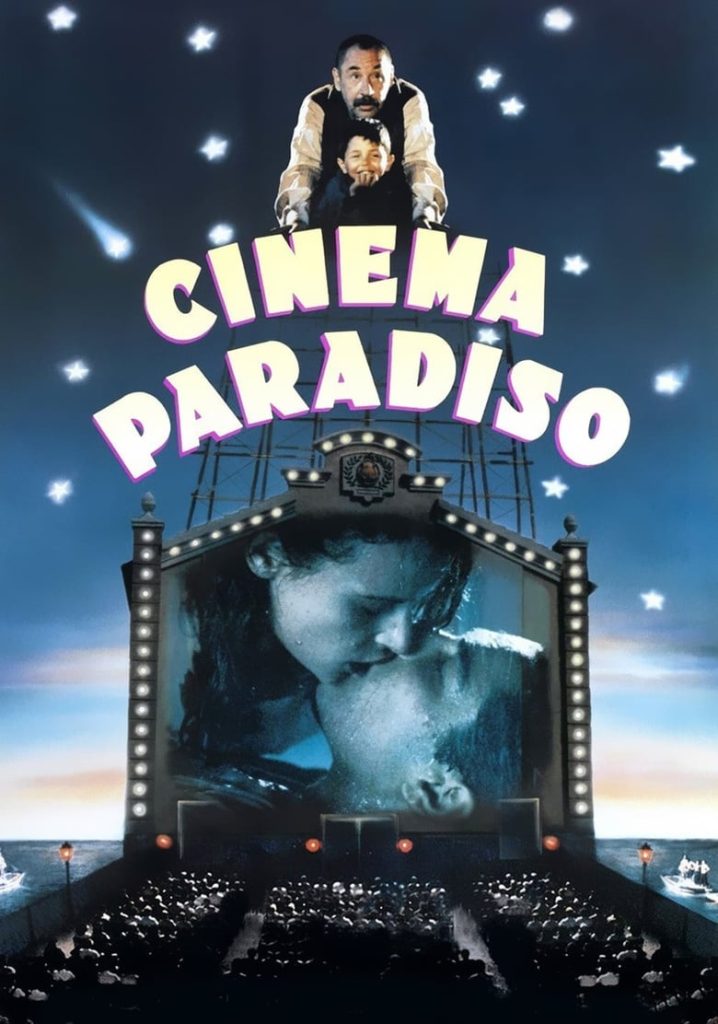
Cinema Paradiso is a nostalgic Italian drama that follows a filmmaker's reflections on his childhood in a small village. The story centers on his deep friendship with the local movie theater's projectionist and his growing passion for cinema. Through this relationship, the film explores themes of memory, friendship, and the magic of storytelling through movies.
Parent Guide
A nostalgic drama about friendship and cinema with emotional depth but minimal concerning content.
Content breakdown
No violence or physical peril depicted.
Some emotional scenes and themes of loss/nostalgia that might be sad for sensitive viewers.
No offensive language noted.
Brief romantic elements and mild suggestions of adult relationships, nothing explicit.
Occasional social drinking by adults in background scenes.
Themes of nostalgia, friendship, and life choices create emotional depth throughout the film.
Parent tips
This PG-rated film is generally suitable for older children and teens, though its emotional themes and slower pacing may challenge younger viewers. The movie deals with themes of nostalgia, friendship, and the passage of time, which can spark meaningful conversations about memories and growing up. Parents should be aware that while there's no graphic content, the film includes some emotional moments and mature themes about life choices and relationships.
Parent chat guide
Parent follow-up questions
- What was your favorite part of the movie?
- Did you like seeing the movies inside the movie?
- What do you think the boy liked about the theater?
- How did the boy and the man help each other?
- What makes a good friend?
- Why do you think the man remembered his childhood so clearly?
- What did the boy learn from the projectionist?
- How did movies bring people together in the story?
- What makes memories important to people?
- How do friendships change as people grow up?
- How does the film show the passage of time through the characters' lives?
- What role does the movie theater play in the community?
- Why might someone look back on their childhood with mixed feelings?
- How does the film explore the theme of nostalgia?
- What does the story suggest about following your passions?
- How does the film use cinema itself as a metaphor for memory and storytelling?
- What commentary does the film make about tradition versus progress?
- How do the relationships in the film reflect different stages of life?
- What does the film suggest about the bittersweet nature of growing up?
- How does the director use visual storytelling to convey emotion?
🎭 Story Kernel
At its core, 'Cinema Paradiso' is about the bittersweet trade-offs of nostalgia and progress. Salvatore's journey from a wide-eyed boy to a successful but emotionally hollow director explores how we sacrifice personal connections for professional ambition. The film suggests that our most formative experiences—Toto's mentorship under Alfredo, his first love with Elena—become beautiful ghosts that haunt our present. The ending, where Alfredo's spliced-together kiss scenes finally play, reveals that cinema itself can be both a sanctuary and a substitute for lived experience, preserving what time inevitably destroys.
🎬 Visual Aesthetics
Giuseppe Tornatore employs a warm, amber-hued palette for the flashbacks to Giancaldo, bathing the Cinema Paradiso in golden light that makes the projector's beam feel sacred. The camera often lingers on faces in the audience—their collective laughter, tears, and awe becoming the film's true subject. Contrast this with the cold, sterile blues of Salvatore's modern Rome apartment, visually underscoring his emotional isolation. The recurring motif of fire—from the projector lamp to the theater blaze—serves as both creative and destructive force, mirroring cinema's power to illuminate and consume.
🔍 Details & Easter Eggs
💡 Behind the Scenes
The role of young Salvatore (Salvatore Cascio) was discovered when the director saw him mimicking a film character during auditions. The Cinema Paradiso theater was constructed specifically for the film in Tornatore's hometown of Bagheria, Sicily, then deliberately aged. The famous ending sequence of censored kisses was assembled from over 40 classic Italian and American films, requiring complex rights negotiations. Philippe Noiret (Alfredo) didn't speak Italian and learned his lines phonetically, adding a layer of deliberate awkwardness to his delivery that enhanced the character's world-weariness.
Where to watch
Choose region:
- fuboTV
- MGM+ Amazon Channel
- MGM Plus Roku Premium Channel
- MGM Plus
- Philo
- Amazon Video
- Apple TV
- Google Play Movies
- YouTube
- Fandango At Home
Trailer
Trailer playback is unavailable in your region.