
Citizen Kane (1941)
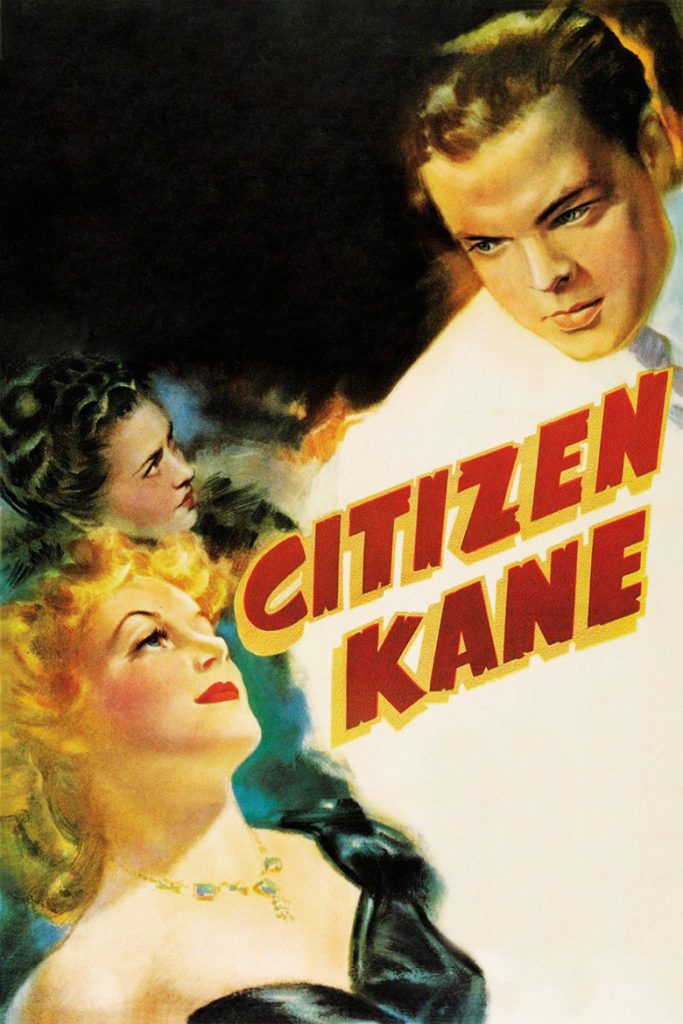
Story overview
Citizen Kane follows the life of Charles Foster Kane, a wealthy newspaper publisher whose childhood separation from his mother shapes his entire adult existence. The film explores how this early trauma influences his relationships, ambitions, and search for meaning through a non-linear narrative structure. As reporters investigate Kane's final word, the story reveals how wealth and power cannot compensate for emotional wounds from the past.
Parent Guide
A psychologically complex drama exploring childhood trauma and the emptiness of wealth, appropriate for mature children who can engage with its themes.
Content breakdown
Brief verbal arguments and tense confrontations; no physical violence shown.
Psychological themes of childhood separation and emotional emptiness; some tense moments but no jump scares or horror elements.
No offensive language; period-appropriate dialogue.
No sexual content or nudity; relationships are portrayed through dialogue and implication.
Social drinking in some scenes, consistent with period depictions.
Explores themes of loneliness, regret, and the psychological impact of childhood trauma; emotionally complex rather than intense.
Parent tips
This classic film deals with mature themes of childhood separation, emotional trauma, and the emptiness that can accompany great wealth and power. While there's no graphic content, the psychological complexity and non-linear storytelling may challenge younger viewers. The film's exploration of how childhood experiences shape adult behavior provides excellent discussion material for families with older children and teens.
Parents should note that the film's pacing and black-and-white cinematography may feel slow to modern viewers, but its themes remain relevant. The PG rating reflects the absence of explicit content rather than indicating suitability for all ages—the emotional and thematic complexity makes it more appropriate for older children who can engage with its ideas.
Parent chat guide
For teens, you might discuss the film's innovative techniques and how it portrays the media's role in society. Encourage children to think about how the film's structure (starting with Kane's death and working backward) affects their understanding of the story. Ask open-ended questions about what they think the film is saying about human nature and relationships.
Parent follow-up questions
- What colors did you see in the movie?
- How did the people talk in the movie?
- What was your favorite part to watch?
- Did you see any animals or toys in the movie?
- How did the music make you feel?
- Why do you think the man in the movie seemed unhappy even though he had lots of money?
- How did the movie show that the man was remembering things from his past?
- What do you think the snow globe meant to the man?
- How do you think it would feel to be taken away from your family as a child?
- What makes someone a good friend in the movie?
- How does the film show that money doesn't always bring happiness?
- Why do you think the movie tells the story out of order instead of from beginning to end?
- What do you think the film is saying about how childhood experiences shape adults?
- How does the movie show the difference between what people seem like on the outside and how they feel inside?
- What makes this movie different from modern movies you've seen?
- How does the film use cinematic techniques to explore themes of memory and identity?
- What commentary does the film make about the power and responsibility of media in society?
- How does Kane's childhood trauma manifest in his adult relationships and ambitions?
- In what ways does the film critique the American Dream and the pursuit of wealth?
- How does the non-linear narrative structure affect your understanding of cause and effect in Kane's life?
Where to watch
Choose region:
- Amazon Video
- Apple TV
- Google Play Movies
- YouTube
- Fandango At Home
- Spectrum On Demand
Trailer
Trailer playback is unavailable in your region.