
Citizen X (1995)
Story overview
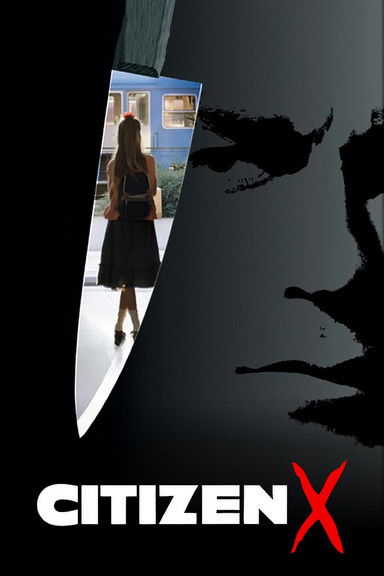
Citizen X is a 1995 crime drama film based on true events. The story follows a forensic psychiatrist who becomes involved in the investigation of a serial killer. The film explores the psychological aspects of criminal profiling and the challenges of catching a dangerous offender.
Parent Guide
Mature crime drama with intense themes suitable for older teens and adults.
Content breakdown
References to violent crimes and criminal investigations
Psychological tension and crime-related themes
May contain some strong language typical of crime dramas
No significant sexual content expected
Possible incidental references to substance use
Serious themes and psychological tension
Parent tips
This R-rated crime drama deals with mature themes including serial murder investigations and psychological profiling. The film contains intense subject matter that may be disturbing for younger viewers. Parents should consider the emotional maturity of their children before viewing.
Parent chat guide
Parent follow-up questions
- What do police officers do to help people?
- How do people work together to solve problems?
- What makes someone a good helper in our community?
- What tools do investigators use to solve crimes?
- Why is it important to understand how people think?
- How do professionals stay calm when dealing with difficult situations?
- What skills do forensic professionals need for their work?
- How does understanding psychology help solve crimes?
- What ethical considerations come with criminal investigations?
- How do criminal profilers balance science and intuition?
- What societal factors contribute to violent crime?
- How do justice systems handle complex serial crime cases?
🎭 Story Kernel
The film is less about catching a serial killer and more about diagnosing a societal sickness. The core theme is institutional indifference as the ultimate enabler of evil. Viktor Burakov's drive isn't just justice—it's a desperate attempt to prove that individual lives matter within a system that sees them as statistics. The Soviet state's refusal to acknowledge the crimes, prioritizing political stability over human life, creates a chilling parallel where the bureaucracy becomes a co-conspirator. The characters are driven by varying degrees of this cognitive dissonance: Burakov by moral outrage, Fetisov by career preservation, and the killer by the system's convenient blindness.
🎬 Visual Aesthetics
The visual language is one of oppressive bleakness and chilling detachment. Director Chris Gerolmo employs a desaturated, gray-dominated palette that mirrors the emotional and bureaucratic landscape. Cinematography favors static, wide shots in institutional settings, making human figures appear small and powerless within vast, impersonal spaces. The murder scenes are presented with clinical, almost forensic detachment—no glamorization, just stark, horrifying facts. This aesthetic choice reinforces the theme: the violence is systematic, the response is bureaucratic, and the visual coldness reflects the emotional freeze of the society depicted.
🔍 Details & Easter Eggs
💡 Behind the Scenes
The film is based on the true case of Soviet serial killer Andrei Chikatilo. Stephen Rea, who plays Viktor Burakov, reportedly immersed himself in the real investigator's journals. Filming took place in Budapest, Hungary, standing in for 1980s Soviet Ukraine, due to budget constraints and location accessibility. Donald Sutherland's character, Colonel Mikhail Fetisov, is a composite of several high-ranking KGB officials. The script closely follows the factual timeline and obstacles documented in Robert Cullen's book 'The Killer Department,' from which the film is adapted.
Where to watch
Choose region:
- HBO Max
- HBO Max Amazon Channel
- Amazon Video
- Apple TV
- Google Play Movies
- YouTube
- Fandango At Home
Trailer
Trailer playback is unavailable in your region.