
City Dump: The Story of the 1951 CCNY Basketball Scandal (1998)
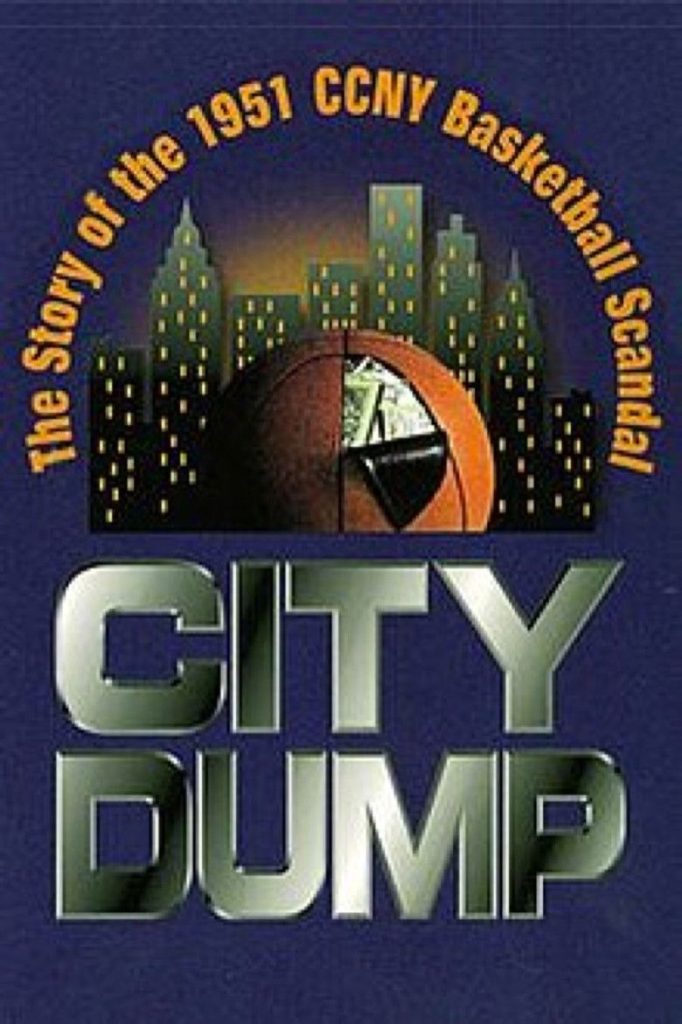
Story overview
City Dump: The Story of the 1951 CCNY Basketball Scandal is a 1998 documentary that examines a major point-shaving scandal in college basketball. The film explores how players from City College of New York were involved in fixing games for gambling purposes. It delves into the historical context and consequences of this event that shook the sports world.
Parent Guide
A historical documentary about a college basketball scandal involving gambling and corruption. Suitable for older children with parental guidance to discuss ethical themes.
Content breakdown
No physical violence depicted. The peril is ethical and legal rather than physical.
Themes of corruption and betrayal might be unsettling for sensitive viewers. No graphic or frightening imagery.
No offensive language noted in available information. Documentary likely uses formal, historical language.
No sexual content or nudity present in this historical documentary.
No depiction of substance use. Focus is on gambling and ethical violations in sports.
Moderate emotional content related to consequences of unethical behavior and betrayal of trust.
Parent tips
This documentary deals with mature themes of corruption, gambling, and ethical violations in sports. While there's no graphic content, the subject matter involves criminal behavior and betrayal of trust that may require explanation for younger viewers. The TV-PG rating suggests it's generally appropriate for children with parental guidance, but parents should consider their child's understanding of complex ethical issues before viewing.
Since this is a historical documentary, it presents real events that might prompt discussions about integrity, consequences of choices, and the pressures athletes face. Parents may want to watch with their children to provide context about the time period and help process the ethical dimensions of the story.
Parent chat guide
You could explore how the documentary presents the consequences of the players' actions, both for themselves and for their school. This can lead to conversations about responsibility, honesty, and how one person's choices can affect many others. Consider asking how they think the situation could have been handled differently.
Parent follow-up questions
- Did you see people playing basketball in the movie?
- What colors did you see in the movie?
- Did you hear any music in the movie?
- What was the movie about?
- Why do you think the basketball players made those choices?
- How do you think the players felt when they got in trouble?
- What does 'point-shaving' mean in basketball?
- Why was this scandal important in sports history?
- What pressures might the college players have been facing?
- How does this historical scandal relate to modern sports ethics?
- What systemic factors might have contributed to this situation?
- How do documentaries present historical events differently than fictional films?
🎭 Story Kernel
The film exposes how systemic corruption preys on youthful ambition. It's not merely about point-shaving but about how institutions—colleges, the mob, even the media—exploit working-class athletes who lack economic mobility. The players aren't cartoon villains; they're products of a post-war New York where opportunity was scarce and temptation was dressed as a lifeline. The real tragedy unfolds as we watch their moral compasses slowly corrode, not from greed, but from a desperate, quiet acceptance that this is how the game is played. The driving force is a brutal economic realism disguised as the American Dream.
🎬 Visual Aesthetics
The documentary employs a stark, archival aesthetic, mirroring the era's gritty newspaper headlines. Interviews are framed in tight, unglamorous close-ups, forcing confrontation with the subjects' aged regret. The color palette is deliberately muted—lots of grays, browns, and stark black-and-white game footage—evoking a sense of moral murkiness. The camera lingers on static shots of old CCNY buildings and cityscapes, using the unchanged architecture as a silent witness to the scandal. This visual restraint makes the few flashes of vibrant, chaotic game footage feel like painful bursts of lost innocence.
🔍 Details & Easter Eggs
💡 Behind the Scenes
The film's director, George Roy, spent years tracking down surviving players and investigators, many of whom had refused to speak for decades. Archival game footage was painstakingly restored from deteriorating kinescope recordings. Notably, several real-life figures involved in the scandal, including former District Attorney Frank Hogan, appear via archival interview footage from the 1950s, their stark, mid-century demeanor adding immense authenticity. The score uses period-specific jazz to sonically anchor the narrative in post-war New York.
Where to watch
Choose region:
- HBO Max
- HBO Max Amazon Channel