
City Lights (1931)
Story overview
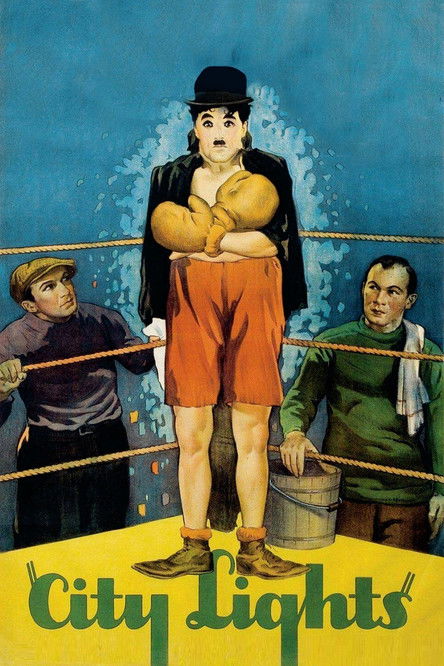
City Lights is a classic silent film that tells a touching story about a kind-hearted tramp who develops a deep affection for a blind flower girl. Through a series of comedic and heartfelt events involving a wealthy but unpredictable friend, the tramp finds ways to help the girl while keeping his true identity hidden. The film beautifully explores themes of love, friendship, and selflessness against the backdrop of 1930s city life, blending humor with emotional depth in a way that has resonated with audiences for generations.
Parent Guide
A gentle, classic silent film with mild comedic moments and emotional themes suitable for most children, though younger viewers may need guidance with the format.
Content breakdown
Comedic slapstick with characters in minor peril (e.g., near-falls, light scuffles), but no real violence or harm.
No scary or disturbing content; some emotional moments but handled gently.
Silent film with no spoken dialogue; title cards contain mild, inoffensive text.
No sexual content or nudity; romantic themes are chaste and implied.
Brief, comedic scenes of alcohol consumption (e.g., characters drinking champagne), not glorified.
Some emotional moments related to poverty, disability, and unrequited love, but overall uplifting tone.
Parent tips
City Lights is a gentle, G-rated film suitable for most children, though its silent format and black-and-white presentation may require some explanation for younger viewers. The film contains mild comedic peril (such as characters nearly falling or getting into minor scrapes) and some emotional moments when characters face challenges, but nothing graphic or intense. Parents should be aware that the film deals with themes of poverty, disability (blindness), and deception with good intentions, which could prompt discussions about honesty and empathy.
Parent chat guide
Parent follow-up questions
- What was your favorite funny part in the movie?
- How did the characters show they were friends without talking?
- What did you think about the flower girl not being able to see?
- How did the music make you feel during the movie?
- What would you do to help someone like the tramp did?
- Why do you think the tramp didn't tell the truth about who he was?
- How did the movie show that kindness is important even when things are hard?
- What did you notice about how people dressed and lived in the old city?
- How did the characters' faces tell the story without words?
- What would you do if you wanted to help someone but couldn't tell them?
- How does the film use comedy to talk about serious topics like poverty and disability?
- What do you think the movie is saying about true friendship and sacrifice?
- How does the silent film format affect how you understand the characters' emotions?
- Why might someone keep a secret even when trying to do good?
- How does the historical setting influence the characters' choices and challenges?
- How does the film explore the theme of perception versus reality through the blind character?
- What commentary does the movie offer about social class and human connection across economic divides?
- How does Chaplin use physical comedy to convey deeper emotional and social messages?
- In what ways does the silent film medium enhance or limit the storytelling compared to modern films?
- How do the characters' ethical dilemmas reflect universal questions about honesty and compassion?
🎭 Story Kernel
At its core, 'City Lights' explores the paradox of perception versus reality in human connection. The Tramp's entire relationship with the blind flower girl is built on a visual deception—she believes him to be a wealthy gentleman because she cannot see his ragged appearance. This drives him to increasingly desperate measures to maintain this illusion of prosperity, culminating in his self-sacrificing efforts to secure money for her eye operation. The film questions whether love based on false premises can be genuine, and ultimately suggests that true connection transcends physical appearances when the restored flower girl recognizes the Tramp's soul through touch alone.
🎬 Visual Aesthetics
Chaplin employs stark visual contrasts between wealth and poverty through meticulous framing and lighting. The opening sequence juxtaposes the unveiling of a civic monument with the Tramp sleeping on it—a visual metaphor for society's contradictions. His signature physical comedy becomes increasingly poignant through tight close-ups that capture subtle facial expressions, particularly in the boxing sequence where choreographed chaos reveals character. The final shot—a lingering close-up of the Tramp's hopeful, vulnerable face—achieves profound emotional impact without dialogue, using only Chaplin's expressive eyes and the flower girl's dawning recognition.
🔍 Details & Easter Eggs
💡 Behind the Scenes
Chaplin spent three years developing 'City Lights,' an extraordinary commitment during the dawn of talkies when silent films were becoming obsolete. The famous final scene required 342 takes because actress Virginia Cherrill struggled with her line 'Yes, I can see now'—Chaplin eventually had her say simply 'Yes' to achieve the perfect emotional tone. The film's score was entirely composed by Chaplin himself, though he couldn't read music; he hummed melodies to arrangers. Despite studio pressure to add dialogue, Chaplin insisted on keeping it silent, believing the story's emotional power would be diluted by words.
Where to watch
Choose region:
- Amazon Prime Video
- HBO Max
- HBO Max Amazon Channel
- Criterion Channel
- Amazon Prime Video with Ads
- Amazon Video
- Apple TV
- Google Play Movies
- YouTube
- Fandango At Home
- Amazon Prime Video Free with Ads
- Tubi TV
- Hoopla
- Fawesome
Trailer
Trailer playback is unavailable in your region.