
City of Joy (2016)
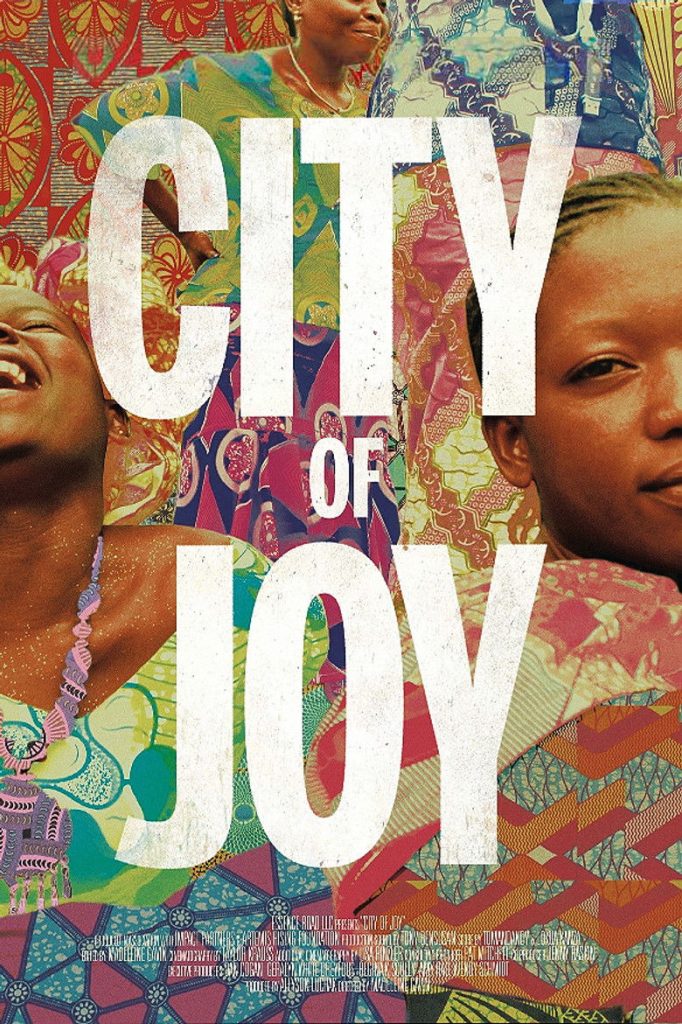
Story overview
City of Joy is a 2016 documentary that explores the resilience of women in the Democratic Republic of Congo, where sexual violence has been used as a weapon of war for decades. The film follows Jane, a student at a center where survivors of abuse come together to heal and become community leaders, alongside the center's founders: a Congolese doctor, a local activist, and an American playwright. It balances painful realities with moments of hope and empowerment, focusing on recovery and leadership rather than graphic depictions of violence.
Parent Guide
A powerful documentary about survival and empowerment in the Democratic Republic of Congo, suitable for mature teens due to its serious themes of wartime sexual violence and trauma. It avoids graphic visuals but includes emotional survivor testimonies, making it best for viewers who can handle intense discussions about human rights and recovery.
Content breakdown
Discusses wartime violence, including sexual violence used as a weapon, but without explicit depictions. Descriptions are through survivor accounts, focusing on aftermath and healing rather than graphic details.
Themes of trauma, abuse, and conflict may be disturbing, especially for sensitive viewers. Includes emotional testimonies from survivors, but the film emphasizes hope and community support to counterbalance the heavy content.
No notable offensive language; the dialogue is in English with subtitles as needed, focusing on documentary-style interviews and narration.
References to sexual violence in the context of war, but no explicit scenes or nudity. Discussions are handled sensitively, centered on recovery and legal/medical aspects.
No depiction or mention of substance use.
High emotional intensity due to themes of trauma, survival, and resilience. Includes heartfelt stories of abuse and recovery that may be overwhelming for younger or sensitive viewers, but balanced with uplifting moments of empowerment.
Parent tips
This documentary addresses mature themes including wartime sexual violence and trauma, but does so through survivor testimonies and recovery-focused storytelling without explicit visuals. Best for mature teens 16+ due to emotional intensity; consider previewing for younger viewers. Use it to discuss resilience, human rights, and global issues—pause to process heavy content. The film emphasizes hope and community support, making it a valuable but intense educational resource.
Parent chat guide
Parent follow-up questions
—
—
—
- What did you learn about resilience from the women in the film?
- How does the film balance difficult topics with messages of hope?
- Why is it important to share stories like these?
- What role does community play in healing from trauma?
- How can we support people facing similar challenges in our own communities?
🎭 Story Kernel
At its core, 'City of Joy' explores the resilience of human dignity in the face of systemic poverty, not through grand political statements, but via intimate, character-driven struggles. The film's real engine is the tension between self-preservation and communal sacrifice, as seen in Hasari Pal's descent into rickshaw pulling to feed his family and Max Lowe's journey from cynical outsider to invested ally. It argues that joy isn't an absence of suffering, but the courage to find meaning and connection within it, making the slum's harsh ecosystem a crucible for profound, earned humanity.
🎬 Visual Aesthetics
The visual language starkly contrasts the claustrophobic, earthy tones of the slum with the sterile, washed-out palette of the hospital and the vibrant chaos of Kolkata's broader streets. Handheld camerawork immerses us in the crowded alleyways, creating a palpable sense of immediacy and struggle. Symbolism is direct yet powerful: the rickshaw isn't just a job, but a literal yoke of economic servitude visually weighing down Hasari, while recurring shots of communal water pumps highlight the slum's fragile, shared lifelines against a backdrop of relentless decay.
🔍 Details & Easter Eggs
💡 Behind the Scenes
Patrick Swayze, who plays Max Lowe, insisted on performing many of his own stunts in the physically demanding role. The film was shot on location in Kolkata's actual slums, with many residents serving as extras, lending an undeniable authenticity to the crowded scenes. Director Roland Joffé faced significant logistical challenges filming in such dense, unpredictable environments, which required a documentary-like approach to capture the area's raw energy and daily rhythms.
Where to watch
Choose region:
- Netflix
- Netflix Standard with Ads
Trailer
Trailer playback is unavailable in your region.