
Civil War (2024)
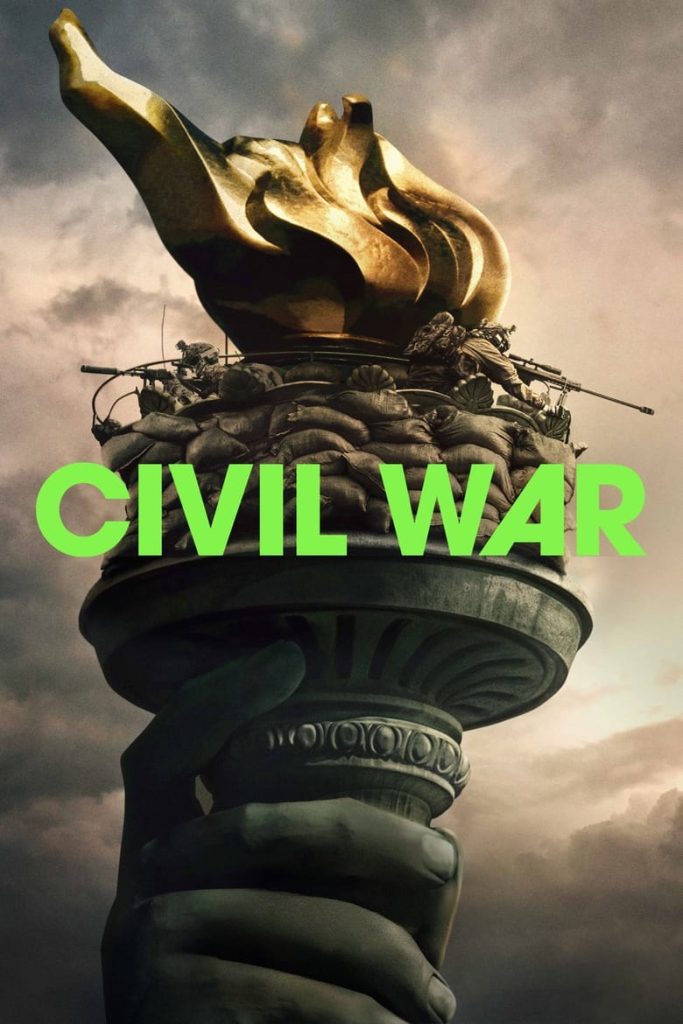
Story overview
Civil War (2024) is a war drama set in a near-future United States on the brink of civil war, following a group of journalists as they navigate dangerous conflict zones to report the truth. Directed by Alex Garland, it stars Kirsten Dunst, Wagner Moura, and Cailee Spaeny. The film explores themes of journalism, truth, and survival during societal collapse, with intense action sequences and emotional depth.
Parent Guide
Civil War is an intense, thought-provoking film with strong violence and mature themes. Recommended for mature viewers only, due to graphic war scenes and emotional content.
Content breakdown
Frequent and graphic depictions of war violence, including shootings, explosions, injuries, and perilous situations. Scenes show combat, casualties, and high-stakes survival scenarios.
Disturbing scenes of societal collapse, war atrocities, and emotional trauma. The film's realistic setting and intense situations may be frightening or anxiety-inducing.
Some strong language, including profanities, typical of war and high-stress situations. Not excessive but present in dialogue.
No sexual content or nudity; the focus is on war and journalism themes.
Possible incidental depictions of alcohol or substance use in background scenes, but not a focus of the film.
High emotional intensity due to themes of survival, loss, and moral conflict. Characters face life-and-death decisions, and the film evokes stress and empathy.
Parent tips
This R-rated film contains strong violence, peril, and intense themes unsuitable for young viewers. Consider the following: 1) Watch first to assess appropriateness for mature teens; 2) Discuss the film's portrayal of war and journalism afterward; 3) Be prepared for graphic scenes of conflict and emotional distress; 4) Note the film's fictional but plausible setting may provoke anxiety about current events.
Parent chat guide
Parent follow-up questions
—
—
- What did you think about the journalists' job in the movie?
- How did the characters show bravery?
- Why is it important to tell the truth in hard times?
- How does the film comment on modern media and truth?
- What moral dilemmas did the journalists face?
- How realistic is the portrayal of civil conflict, and what can we learn from it?
- Discuss the film's themes of survival and ethics in war.
🎭 Story Kernel
The film is less a political manifesto and more a visceral exploration of the desensitization inherent in war journalism. It follows a group of journalists traveling to Washington D.C. as the United States collapses into a multi-front conflict. Rather than explaining the why of the war, Garland focuses on the how of survival and the psychological toll of capturing atrocities for public consumption. It examines the transition of the protagonist, Lee, from a hardened veteran to a shell-shocked witness, while her protege, Jessie, undergoes a chilling transformation into a detached professional. The movie posits that when a society fractures, the truth becomes a commodity harvested at the cost of one's humanity, stripping away partisan context to reveal the raw, ugly mechanics of internal collapse and the terrifying neutrality of the lens.
🎬 Visual Aesthetics
Rob Hardy’s cinematography juxtaposes the mundane American landscape—strip malls and gas stations—with the surreal brutality of urban warfare. The use of high-speed digital cameras captures the jarring, staccato nature of combat, while the sudden, silent freeze-frames representing the journalists' photographs provide a haunting rhythm to the violence. These still images force the viewer to pause on the horror, mirroring the characters' professional detachment. The color palette shifts from the lush, deceptive peace of the countryside to the cold, metallic grays of the besieged capital. Symbolism is found in the recurring motif of the Western Forces flag and the desecrated monuments, which serve as visual shorthand for the erasure of national identity. The sound design is equally crucial, using deafening silence and sudden, percussive gunfire to maintain a state of constant, low-level anxiety.
🔍 Details & Easter Eggs
💡 Behind the Scenes
Alex Garland chose to shoot the film chronologically to help the actors, particularly Cailee Spaeny, naturally develop the psychological fatigue and hardening required for their roles. Despite the film's $50 million budget—A24's most expensive project—Garland maintained an intimate filming environment, often using small crews to mimic the feeling of a documentary team. Kirsten Dunst and Jesse Plemons, who are a real-life couple, shared the screen in the film's most tense sequence; Plemons was a late addition to the cast, stepping in to play the unnamed soldier after another actor dropped out shortly before filming.
Where to watch
Choose region:
- HBO Max
- HBO Max Amazon Channel
- Cinemax Amazon Channel
- Cinemax Apple TV Channel
- Amazon Video
- Apple TV Store
- Google Play Movies
- Fandango At Home
- Spectrum On Demand
- Plex
- YouTube
Trailer
Trailer playback is unavailable in your region.