
Class Action Park (2020)
Story overview
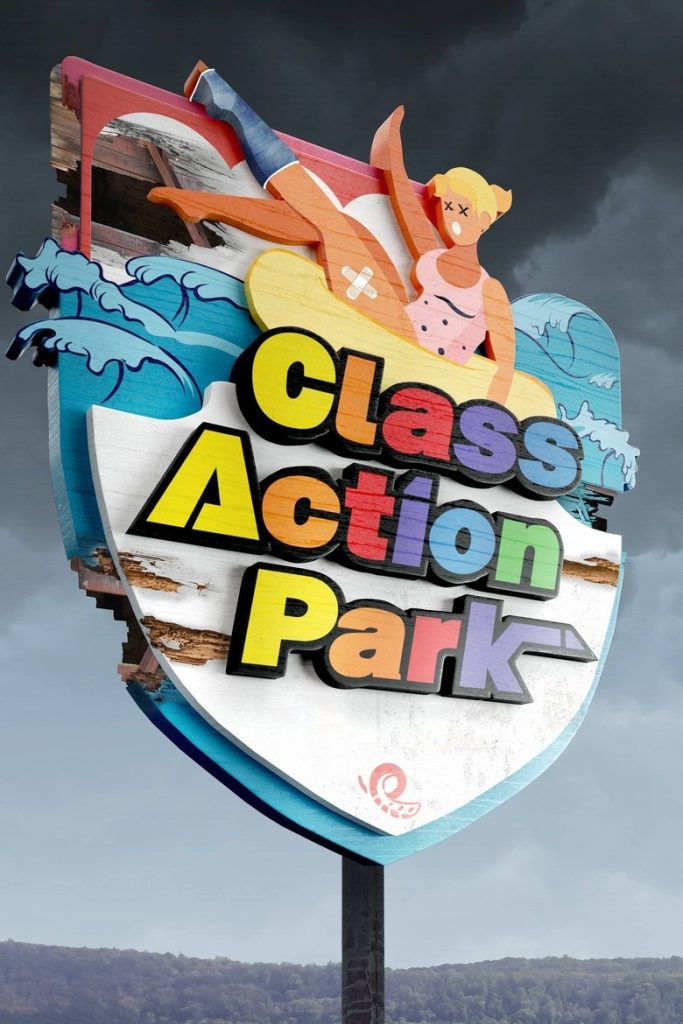
Class Action Park is a documentary that investigates the notorious 1980s water park in New Jersey known for its extremely dangerous rides, lack of safety regulations, and numerous injuries. Through interviews, animations, and archival footage, it explores how the park operated with minimal oversight, leading to accidents and even fatalities, while examining the cultural fascination and myths surrounding it.
Parent Guide
A documentary examining a dangerously operated 1980s water park, featuring discussions of real injuries and fatalities, some strong language, and themes of negligence and risk. Most appropriate for mature viewers who can process serious safety issues.
Content breakdown
Discussions and descriptions of real accidents at the park, including injuries (burns, fractures, concussions) and several fatalities. Some animated re-creations of accidents. No graphic violence shown, but serious consequences are described.
Themes of danger, negligence, and real-life harm may be unsettling. Discussions of how people were injured or killed on rides. Some viewers might find the park's disregard for safety disturbing.
Occasional strong language (e.g., 'hell,' 'damn,' possibly stronger terms in interviews). Not pervasive, but present in some segments.
No sexual content or nudity.
No depiction or discussion of substance use.
Serious tone when discussing accidents and fatalities. Interviews with people affected by the park's dangers. Themes of loss and accountability may evoke strong emotions.
Parent tips
This documentary discusses real-life injuries and deaths at an amusement park, which may be disturbing for younger viewers. It includes descriptions of accidents, discussions of negligence, and some strong language. Best suited for mature tweens and teens who can handle serious topics about safety failures and their consequences.
Parent chat guide
Parent follow-up questions
—
- What was your favorite part of the movie?
- What did you learn about water parks?
- Why do you think Action Park was allowed to stay open for so long?
- How do you think the families of injured visitors felt?
- What safety rules should all amusement parks follow?
- What ethical questions does this documentary raise about business practices?
- How does nostalgia sometimes blind people to real dangers?
- What role should government regulation play in recreational safety?
- How does this film comment on 1980s culture and attitudes toward risk?
🎭 Story Kernel
The film's core isn't just about a dangerous amusement park, but about America's complex relationship with risk, nostalgia, and the mythology of the 'good old days.' It explores how collective memory selectively filters trauma through a lens of fondness, asking what price we're willing to pay for freedom from regulation. The driving force isn't villainy, but a potent cocktail of libertarian ideology, teenage invincibility, and capitalist opportunism that created an environment where preventable tragedies were reframed as the cost of authentic fun. The characters, from the park's creator to its former patrons, are driven by a need to reconcile their youthful exhilaration with the harsh reality of the consequences.
🎬 Visual Aesthetics
The visual language masterfully contrasts archival VHS-style home videos and commercials—saturated with garish 80s colors and shaky, exuberant camerawork—with contemporary, crisp, and somber interview footage. This dichotomy visually embodies the film's central tension: the vibrant, chaotic memory versus the stark, clear-eyed hindsight. The editing frequently cuts from joyful, sun-drenched chaos to grim accident reenactments or sobering statistics on screen, creating a visceral whiplash that mirrors the audience's own moral reckoning. The use of animated sequences to illustrate infamous rides adds a layer of darkly comic surrealism to the factual horror.
🔍 Details & Easter Eggs
💡 Behind the Scenes
The documentary's directors, Chris Charles Scott and Seth Porges, initially discovered the park through viral internet lore about its dangers. Much of the shocking archival footage came from a treasure trove of home videos submitted by former park-goers after a public call. The film's score intentionally uses upbeat, synth-heavy 80s music to ironically underscore the dark narrative, enhancing the unsettling contrast. Notably, the real 'Action Park' was located in Vernon Township, New Jersey, and operated under various names, with its infamous reputation spawning countless firsthand accounts that the filmmakers had to verify and curate.
Where to watch
Choose region:
- HBO Max
- HBO Max Amazon Channel
- YouTube TV
- Philo
- HBO Max Amazon Channel
Trailer
Trailer playback is unavailable in your region.