
Clínica de Migrantes: Life, Liberty, and the Pursuit of Happiness (2016)
Story overview
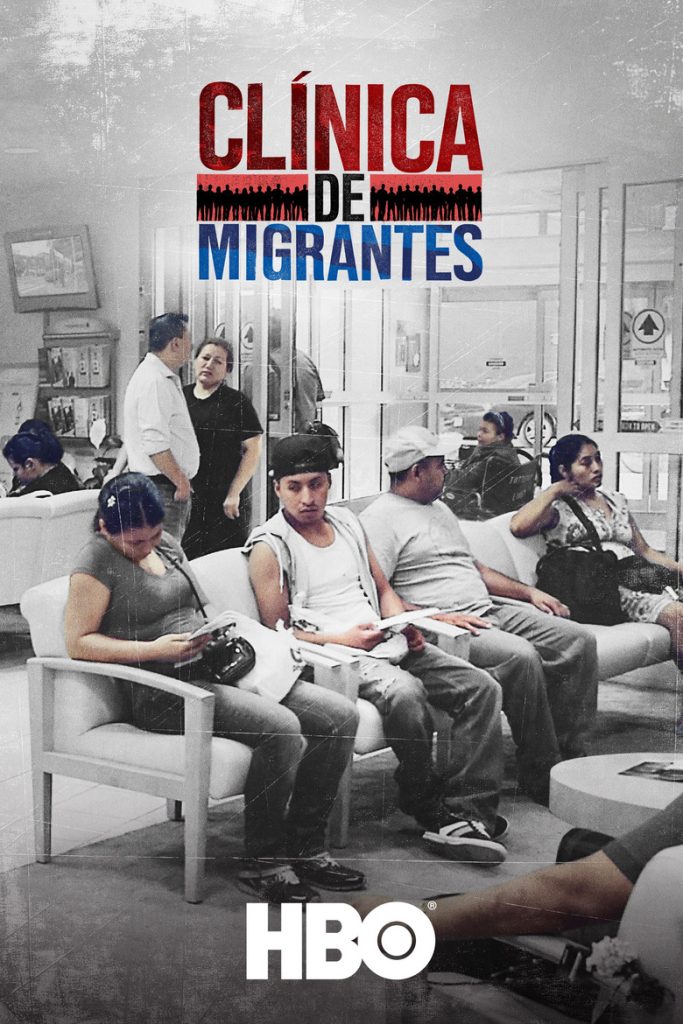
This 39-minute documentary follows the volunteer-run Puentes de Salud clinic in Philadelphia, which provides free medical care to undocumented immigrants. The film highlights both the patients' struggles—including displacement, family separation, and fear of seeking help—and the dedication of healthcare workers who serve them pro bono, offering a compassionate look at healthcare access and human resilience.
Parent Guide
A thoughtful documentary about healthcare for undocumented immigrants, focusing on human stories and volunteer efforts. Suitable for ages 8+ with guidance, due to mature themes.
Content breakdown
No violence or peril depicted. The film discusses difficult life circumstances but shows no physical harm.
Mildly disturbing themes include poverty, family separation, and fear of deportation. Medical settings are shown but not graphic. Emotional patient stories may be sad for sensitive viewers.
No offensive language. Conversational dialogue in English and Spanish (with subtitles).
No sexual content or nudity. Medical exams are shown discreetly.
No substance use depicted.
Moderate emotional intensity due to stories of hardship, displacement, and healthcare struggles. Uplifting moments of compassion balance the tone.
Parent tips
This documentary addresses mature themes like immigration, healthcare inequality, and social marginalization. It's best suited for children old enough to understand these concepts (typically ages 8+). Watch together to discuss the real-world issues presented. The film shows medical settings and emotional patient stories but no graphic content. Use it to teach empathy and civic awareness.
Parent chat guide
Parent follow-up questions
—
- What is a clinic?
- Why are the doctors helping for free?
- How can we be kind to people who are new here?
- Why might immigrants avoid doctors?
- What does 'undocumented' mean?
- How does this film show empathy?
- Discuss the ethical implications of healthcare access.
- How does this film relate to current immigration policies?
- What systemic changes could improve this situation?
🎭 Story Kernel
The film's core theme is the radical act of providing basic medical care to undocumented immigrants as a profound challenge to systemic dehumanization. It expresses how healthcare becomes the tangible manifestation of 'life, liberty, and the pursuit of happiness' for those excluded from the social contract. The characters are driven not by political ideology but by the immediate, visceral need to alleviate suffering—whether it's Dr. Steve Larson treating a child's infection or volunteers navigating legal limbo to provide diabetes medication. The documentary reveals how a simple clinic in Philadelphia becomes a moral battleground where compassion directly confronts bureaucratic indifference, showing that the pursuit of health is fundamentally the pursuit of personhood.
🎬 Visual Aesthetics
The camera adopts an intimate, observational style that places viewers directly in the cramped clinic spaces, using tight close-ups on hands receiving injections, eyes expressing relief or anxiety, and medical instruments as they touch vulnerable bodies. The color palette is deliberately muted—beige walls, gray waiting areas, clinical whites—emphasizing the stark reality of the setting without romanticization. Cinematography frequently frames patients through doorways or partially obscured by curtains, visually representing their marginalized status. The most powerful visual motif is the contrast between the warm, crowded clinic scenes and the cold, empty shots of Philadelphia's streets where these patients must return to invisibility.
🔍 Details & Easter Eggs
💡 Behind the Scenes
Director Maxim Pozdorovkin initially planned a different documentary but shifted focus after discovering the Puentes de Salud clinic while filming in Philadelphia. The production faced unique challenges—many patients were understandably camera-shy, requiring months of trust-building before filming intimate medical moments. Dr. Steve Larson, the central physician, had never been filmed professionally before and his natural, unpolished demeanor became the film's emotional anchor. The documentary was shot over three years on a minimal budget, with the crew often volunteering at the clinic between shoots. Notably, several former patients who appear in early scenes later became clinic volunteers themselves, creating a circular narrative the filmmakers captured organically.
Where to watch
Choose region:
- HBO Max
- HBO Max Amazon Channel
- Amazon Video
- Apple TV Store
- Google Play Movies
- YouTube
- Fandango At Home
Trailer
Trailer playback is unavailable in your region.