
Closer Than We Think: A Year That Changes You (2026)
Story overview
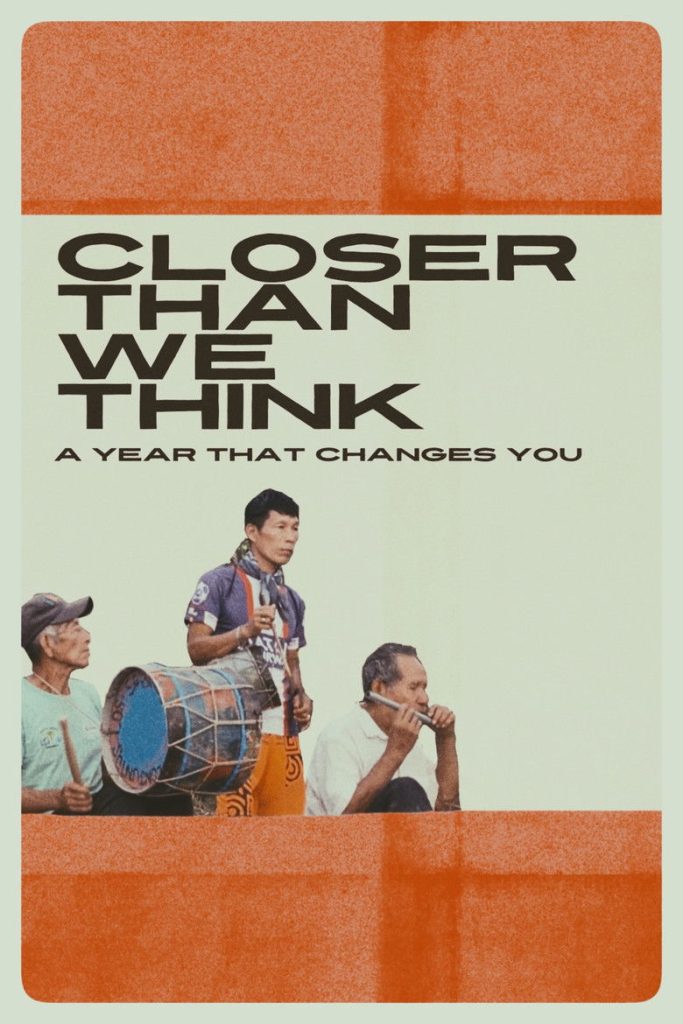
Closer Than We Think: A Year That Changes You is a 2026 documentary directed by Cash Davenport that explores the work of Youthlinc, a humanitarian organization. The 22-minute film likely follows young volunteers or participants as they engage in service projects, showcasing personal growth, community impact, and the transformative power of humanitarian efforts. As a documentary, it focuses on real-life stories, educational content, and inspirational themes rather than fictional narratives.
Parent Guide
This documentary is family-friendly and educational, with no concerning content. It promotes values of compassion and service, making it a great choice for children to learn about humanitarian work in a safe, engaging way.
Content breakdown
No violence or peril is present. The film focuses on positive activities like volunteering and community service, with no dangerous or threatening situations.
Nothing scary or disturbing. As a documentary about humanitarian efforts, it may show real-world issues like poverty or need, but these are presented in a sensitive, non-frightening manner to educate and inspire.
No offensive or inappropriate language is expected. The content is likely to use formal or inspirational language suitable for all ages.
No sexual content or nudity. The documentary is focused on humanitarian work and personal stories, with no romantic or sexual themes.
No substance use. The film does not depict or reference alcohol, drugs, or smoking, as it centers on wholesome, service-oriented activities.
Mild emotional intensity may arise from touching stories of people in need or volunteers making a difference, but it's presented in an uplifting way. Younger children might feel empathy or curiosity, but it's not overwhelming.
Parent tips
This documentary is suitable for most children ages 8 and up, offering positive messages about empathy, service, and personal development. Parents can use it to discuss the importance of helping others and global awareness. Since it's a documentary, there are no fictional peril or intense scenes, but younger viewers might need context about humanitarian issues. Watch together to answer questions about the organization's work. The short runtime makes it easy to fit into family viewing time.
Parent chat guide
Parent follow-up questions
- Did you see people being kind?
- What was your favorite part of the movie?
- Can you draw a picture of someone helping?
- What did the volunteers do to help others?
- How do you think the people felt when they got help?
- What's one way you can be helpful at home or school?
- Why do you think organizations like Youthlinc are important?
- What challenges might volunteers face, and how do they overcome them?
- How does helping others change a person, based on what you saw?
- What impact do you think humanitarian work has on both volunteers and communities?
- How can documentaries like this inspire real-world action?
- What are some ethical considerations in humanitarian efforts, and did the film address them?
Where to watch
Streaming availability has not been announced yet.