
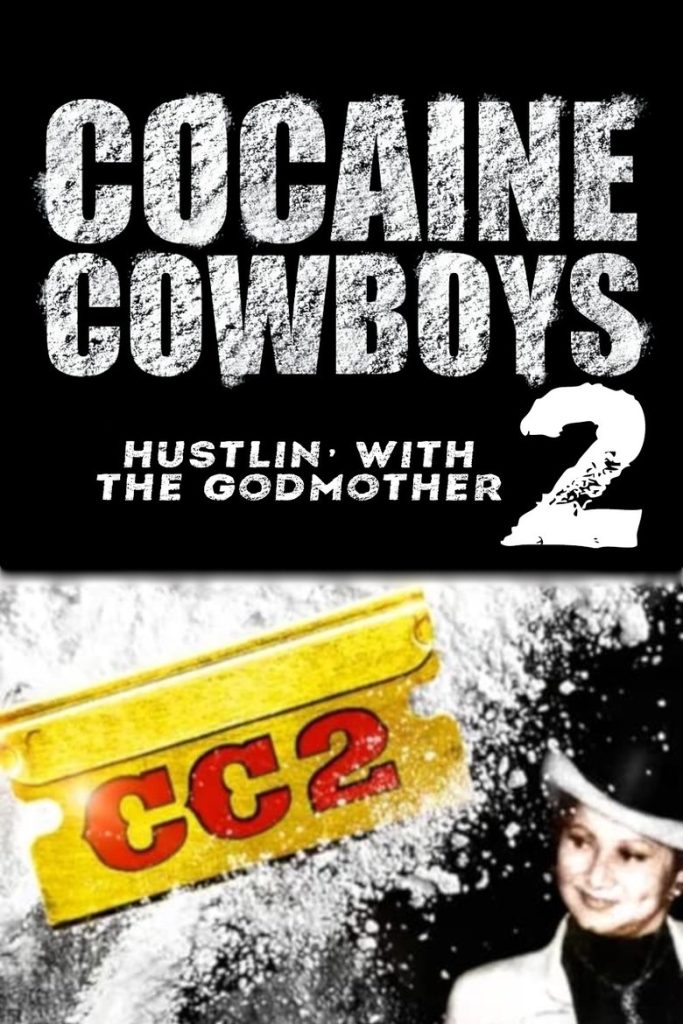
Cocaine Cowboys 2 (2008)
Story overview
This documentary explores the dangerous world of drug trafficking in early 1990s Oakland, focusing on Charles Cosby's transformation from a small-time dealer to a major cocaine distributor after connecting with imprisoned drug lord Griselda Blanco. The film examines the criminal enterprise, its violent consequences, and the societal impact of the drug trade.
Parent Guide
This documentary contains mature content about drug trafficking and criminal activity. It includes discussions of violence, drug use, and illegal operations. Not suitable for children and requires parental guidance for older teenagers.
Content breakdown
Discussions and descriptions of drug-related violence, criminal activities, and dangerous situations. While not graphically violent, the subject matter involves serious criminal behavior with violent consequences.
The documentary deals with disturbing real-world topics including drug addiction, criminal enterprises, and the destructive impact of the drug trade on communities. May be unsettling for sensitive viewers.
Likely contains strong language typical of documentary interviews about criminal activity, including profanity and drug-related terminology.
May include references to sexual relationships or suggestive content related to the criminal lifestyle, but not the primary focus.
Central theme revolves around cocaine trafficking and drug use. Detailed discussions of drug distribution, consumption, and the drug trade industry.
Serious tone dealing with real criminal activities and their consequences. May provoke strong reactions about societal issues and personal choices.
Parent tips
This documentary contains intense real-world themes of drug trafficking, criminal activity, and violence. It's not suitable for children and requires careful consideration for teenagers. Parents should be prepared to discuss the serious consequences of drug use and criminal behavior depicted in the film.
Parent chat guide
Parent follow-up questions
—
—
—
- What did you learn about the consequences of drug trafficking from this documentary?
- How does the film show the impact of drugs on communities?
- What makes documentaries different from fictional movies about similar topics?
- Why do you think people might be drawn to dangerous criminal lifestyles?
🎭 Story Kernel
While marketed as a continuation of Miami's drug wars, 'Cocaine Cowboys 2' is fundamentally a character study in the psychology of betrayal and the myth of the 'gentleman smuggler.' The film's true driver isn't the cocaine itself, but the fragile, self-justifying egos of its aging subjects. They're not fighting the DEA; they're fighting their own fading relevance, rewriting history in real-time to paint themselves as savvy businessmen rather than violent traffickers. The core tension arises from their desperate need for validation through the documentary lens, even as their stories contradict each other and the established facts from the first film. It's a meta-narrative about storytelling, memory, and the lies we tell to survive our own pasts.
🎬 Visual Aesthetics
The visual language shifts dramatically from the kinetic, archival-heavy style of the original to a more intimate, confessional tone. Director Billy Corben employs tight, unflinching close-ups on the faces of his subjects—especially the central figure, Jorge 'Rivi' Ayala—forcing the audience to scrutinize every micro-expression as he recounts murders. The color palette is muted, dominated by grays and beiges of prison interview rooms and sterile suburban homes, visually reinforcing the theme of a glamorous past now faded to dull reality. The few action recreations are stark and brutal, devoid of Hollywood flair, emphasizing the cold, transactional nature of the violence.
🔍 Details & Easter Eggs
💡 Behind the Scenes
The production faced significant legal hurdles. Jorge 'Rivi' Ayala, the film's primary subject, was a convicted hitman serving life, and all interviews were conducted under strict prison supervision. Director Billy Corben has stated the crew used smaller, less intrusive cameras to put subjects at ease, which contributed to the raw, unfiltered feel. Notably, several major figures from the first film refused to participate in the sequel, a fact the documentary acknowledges, adding a layer of real-world tension and suspicion to the narrative. Much of the 'present day' footage was shot in the same Miami neighborhoods that were war zones in the 80s, now visually sanitized but still haunted by the history.
Where to watch
Choose region:
- Netflix
- fuboTV
- Netflix Standard with Ads
- Apple TV Store
- Fandango At Home
- FlixFling
- Google Play Movies
- YouTube