
Coco (2017)
Story overview
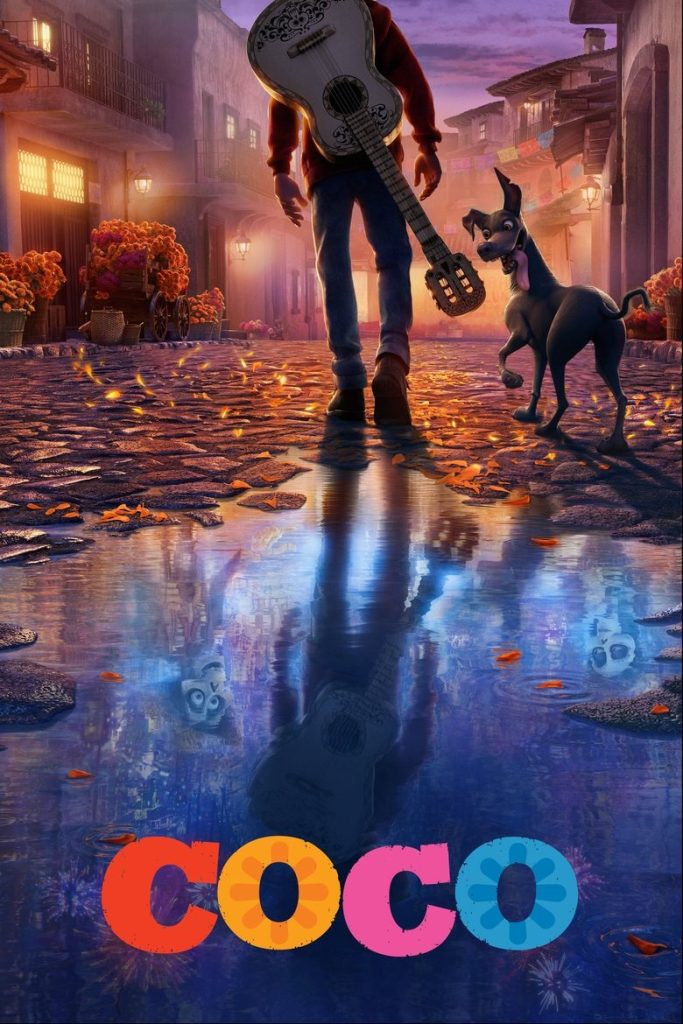
Coco is a vibrant animated adventure that follows Miguel, a young boy with a passion for music despite his family's strict prohibition against it. After a magical mishap, he finds himself in the Land of the Dead, where he embarks on a journey to uncover his family's hidden history with the help of a friendly trickster. The film explores themes of family legacy, cultural traditions, and pursuing one's dreams against all odds.
Parent Guide
A family-friendly animated film with positive messages about heritage and following dreams, though some scenes involving the afterlife might require explanation for younger viewers.
Content breakdown
Some mild peril as characters navigate the Land of the Dead, but no physical violence.
Skeleton characters and afterlife themes might be slightly intense for very young children, but presented in a colorful, non-threatening way.
No offensive language.
No sexual content or nudity.
No substance use depicted.
Themes of family conflict, memory, and loss are explored, with some emotional moments regarding family relationships and remembrance.
Parent tips
Coco is a beautifully animated film that celebrates Mexican culture and traditions, particularly Día de los Muertos (Day of the Dead). The story deals with themes of family conflict, memory, and what happens after death in a thoughtful way that's accessible to children. Some scenes in the Land of the Dead might be slightly intense for very young viewers, and the family's initial rejection of Miguel's musical dreams could spark conversations about following passions versus family expectations.
Parent chat guide
Parent follow-up questions
- What was your favorite colorful part of the movie?
- How did you feel when Miguel played music?
- What did you think about the skeleton characters?
- Why do you think Miguel's family didn't want him to play music?
- What does it mean to remember people who aren't with us anymore?
- How did Miguel show bravery in the story?
- What does this movie teach us about family traditions?
- How does the film help us understand different cultural celebrations?
- Why is it important to learn about our family history?
- How does the film balance individual dreams with family expectations?
- What does the movie suggest about how we honor those who came before us?
- How does the animation style contribute to the cultural storytelling?
🎭 Story Kernel
At its heart, 'Coco' explores the tension between familial duty and personal passion, revealing that honoring ancestors doesn't require sacrificing individuality. Miguel's journey through the Land of the Dead becomes a quest to reconcile these seemingly opposing forces. The film suggests that family traditions become hollow when maintained through deception rather than genuine connection. Héctor's plight—facing final death from being forgotten—drives home the film's central thesis: memory is the ultimate form of immortality. Each character's motivation stems from either fear of being forgotten (Héctor), desire for legacy (Ernesto), or the need to preserve family (Mamá Imelda).
🎬 Visual Aesthetics
Pixar's visual language creates a stunning duality between the warm, earthy tones of the living world and the neon-infused, layered architecture of the Land of the Dead. The marigold bridge serves as a visual metaphor for connection—a glowing pathway between memory and reality. Camera movements during musical sequences adopt a fluid, almost dance-like quality, particularly during 'Remember Me' performances. The skeletal characters' expressions achieve remarkable emotional range through eye socket positioning and jaw movements. Color coding distinguishes character lineages and emotional states, with Miguel's orange representing his bridge between worlds.
🔍 Details & Easter Eggs
💡 Behind the Scenes
The production team conducted extensive research in Mexico, consulting with cultural advisors for three years to ensure authentic representation of Día de Muertos traditions. The guitar strumming sounds were created using actual instruments from different Mexican regions. Anthony Gonzalez (Miguel) recorded his songs in both English and Spanish versions. The alebrijes were inspired by Mexican folk art sculptures created by Pedro Linares. Pixar animators studied real skeletal movements and consulted with osteologists to make the Land of the Dead characters move believably while maintaining emotional expressiveness.
Where to watch
Choose region:
- Disney Plus
- fuboTV
- Amazon Video
- Apple TV
- Google Play Movies
- YouTube
- Fandango At Home
Trailer
Trailer playback is unavailable in your region.