
Colors of Evil: Red (2024)
Story overview
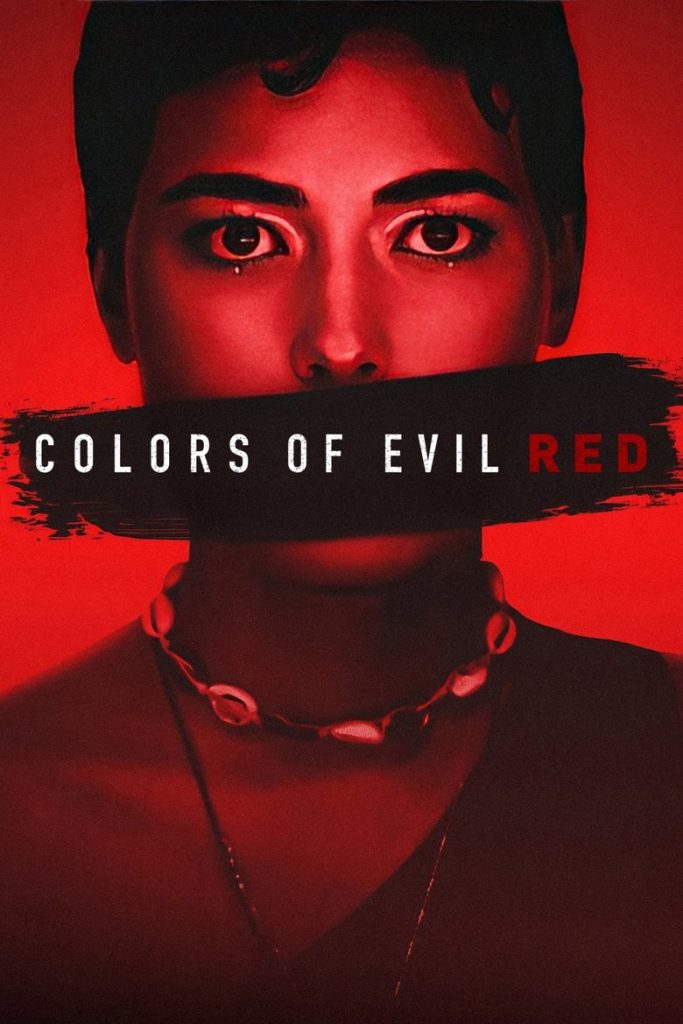
Colors of Evil: Red is a 2024 Polish crime thriller about a prosecutor and a grieving mother who team up to investigate the murder of a young girl found on a beach in Poland's Tricity region. Their determined search for truth leads them through a dark mystery filled with emotional intensity and procedural investigation.
Parent Guide
A dark crime thriller with mature themes of murder, grief, and justice. Contains strong violence, disturbing content, and emotional intensity. Not suitable for children or younger teens.
Content breakdown
Murder investigation with crime scene imagery including a dead body, forensic examination, and violent crime details. Scenes of peril and threat throughout the investigation.
Disturbing themes of child murder, grief, and loss. Crime scene imagery and autopsy details. Emotional intensity around the mother's suffering and the investigation's dark revelations.
Some strong language likely present given the TV-MA rating and crime thriller genre, though specific content not detailed in provided information.
No explicit sexual content indicated, but may contain references or implications related to the crime investigation.
Possible incidental drinking or smoking in adult social/professional contexts typical of crime dramas.
High emotional intensity throughout with themes of grief, loss, and the pursuit of justice. The mother's anguish and the dark investigation create sustained tension.
Parent tips
This film deals with mature themes including murder, grief, and criminal investigation. It contains strong violence, disturbing crime scene imagery, and emotional intensity that may be too intense for younger viewers. Best suited for mature teens and adults who can handle crime thriller content.
Parent chat guide
Parent follow-up questions
—
—
—
- How did the mother's grief affect her decisions throughout the investigation?
- What did you think about the way the prosecutor approached solving the crime?
- How did the film handle the topic of violence against women?
- What emotions did you feel during the most intense scenes?
- What did you learn about police investigations from watching this film?
🎭 Story Kernel
The film explores the intersection of personal tragedy and institutional failure within the Polish legal system. At its heart, it is a meditation on the persistence of trauma, represented by Judge Helena Bogucka’s refusal to let her daughter’s death become another cold case statistic. The narrative delves into the colors of human depravity, where Red signifies not just the literal blood of the victims, but the raw, pulsating anger of those left behind. It examines how power structures in the Tricity area protect the guilty, forcing the protagonist, Prosecutor Bilski, to navigate a labyrinth of silence. The movie expresses the idea that justice is often a lonely pursuit, requiring one to confront the darkest corners of society where the line between the law and the criminal underworld becomes dangerously blurred.
🎬 Visual Aesthetics
Adrian Panek utilizes a cold, desaturated palette to contrast with the jarring, symbolic use of red, which punctuates the screen during moments of extreme violence or emotional peak. The cinematography captures the stark, melancholic beauty of the Baltic coast, using the vast, grey expanse of the sea as a backdrop for the claustrophobic tension of the investigation. Lighting is used to create a noir-esque atmosphere, with deep shadows often swallowing the characters, suggesting their moral ambiguity or the overwhelming weight of the secrets they carry. The visual language emphasizes isolation; characters are often framed against large, empty spaces or trapped within tight, industrial settings like the shipyard club. This contrast highlights the vulnerability of the individual against the immovable machinery of organized crime and the indifferent natural landscape.
🔍 Details & Easter Eggs
💡 Behind the Scenes
The film is an adaptation of the first installment in a popular crime novel series by Małgorzata Oliwia Sobczak, which has gained a significant following in Poland for its gritty realism. Director Adrian Panek, known for the acclaimed Werewolf (Wilkołak), brings his experience in atmospheric tension to this procedural. Lead actor Jakub Gierszał is one of Poland's most prominent stars, often choosing roles that challenge his public image. The production filmed extensively on location in Gdynia and Sopot, utilizing the authentic atmosphere of the Polish seaside to ground the fictional narrative in a recognizable, albeit darkened, reality.
Where to watch
Choose region:
- Netflix
- Netflix Standard with Ads