
Come and See (1985)
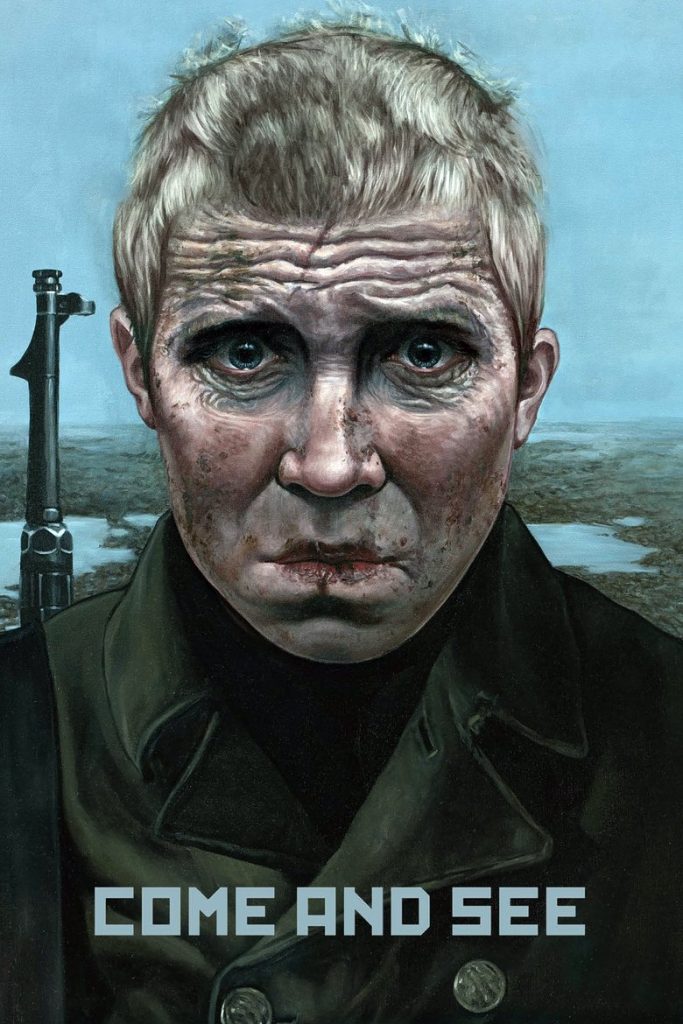
Story overview
This intense war drama follows a young boy in Belarus during World War II as he joins resistance fighters after German forces invade his village. The film portrays his harrowing journey through the brutal realities of war, including the loss of his family and community. It explores themes of survival, despair, and the psychological impact of violence on civilians during wartime.
Parent Guide
Extremely intense war drama with graphic violence and psychological trauma; suitable only for mature older teenagers with parental guidance.
Content breakdown
Contains graphic wartime violence including massacres, shootings, and brutal treatment of civilians; intense peril throughout.
Extremely disturbing content including mass violence, psychological trauma, and realistic war atrocities; could cause lasting distress.
Some wartime dialogue and emotional expressions; nothing excessive but contextual to the intense situations.
No sexual content or nudity present in the film.
No substance use depicted in the film.
Extremely high emotional intensity throughout; deals with trauma, loss, despair, and psychological suffering.
Parent tips
This film contains extremely intense and disturbing content related to war violence and atrocities. It is not suitable for children or young teenagers due to its graphic depiction of wartime brutality and psychological trauma. Parents should be aware that this is one of the most intense war films ever made, with realistic portrayals of violence that could be deeply upsetting to viewers of any age. Consider watching it yourself first before deciding if it's appropriate for older teenagers.
Parent chat guide
Parent follow-up questions
- What do you think war means?
- How do you think the boy in the movie felt?
- What makes you feel safe?
- Who helps people when bad things happen?
- What are some happy things in our lives?
- What did you notice about how war affects people?
- How do you think the characters showed courage?
- Why is it important to learn about history?
- What helps people recover from difficult experiences?
- How can we show kindness to others?
- What themes about war did you notice in the film?
- How does the film show the impact of violence on communities?
- What historical context is important to understand this story?
- How do people maintain hope in difficult situations?
- What responsibilities do we have when learning about difficult history?
- How does the film portray the psychological effects of war?
- What commentary does the film make about violence and humanity?
- How does the historical context shape your understanding of the events?
- What ethical questions does the film raise about war and survival?
- How can we process difficult historical truths while maintaining hope for the future?
🎭 Story Kernel
At its core, 'Come and See' explores the complete annihilation of innocence through war's machinery. The protagonist Flyora isn't driven by heroism or ideology but by the primal urge to survive as his humanity is systematically stripped away. The film rejects traditional narrative arcs—there's no redemption, no growth, only degradation. It demonstrates how war transforms children into hollow vessels, their identities erased before they've fully formed. The title itself references the Book of Revelation, suggesting we're witnessing not just historical events but apocalyptic revelation of humanity's capacity for evil.
🎬 Visual Aesthetics
Klimov employs a hauntingly intimate visual language—extreme close-ups that trap us in Flyora's deteriorating psyche, handheld camerawork that creates visceral disorientation. The color palette drains from vibrant life to monochromatic despair, mirroring his loss of innocence. Most striking are the surreal sequences where reality distorts: the deafening silence during the barn massacre, the hallucinatory swamp scenes. The camera doesn't just observe but participates in the trauma, with mud-splattered lenses and subjective angles that make viewers complicit witnesses rather than detached observers.
🔍 Details & Easter Eggs
💡 Behind the Scenes
Director Elem Klimov waited years for permission to make this film, finally gaining approval during a brief cultural thaw. The production was notoriously brutal—real explosives were used near actors, animals were actually killed on camera (prompting condemnation), and lead actor Aleksei Kravchenko suffered genuine psychological trauma, requiring therapy. The Belarusian locations were actual Nazi massacre sites, with crew frequently unearthing human remains during filming. Klimov insisted on using period-accurate weapons whose deafening reports caused permanent hearing damage to several crew members.
Where to watch
Choose region:
- Criterion Channel
- Amazon Video
- Apple TV
- Google Play Movies
- YouTube
- Fandango At Home
- Kanopy
Trailer
Trailer playback is unavailable in your region.