
Cool Runnings (1993)
Story overview
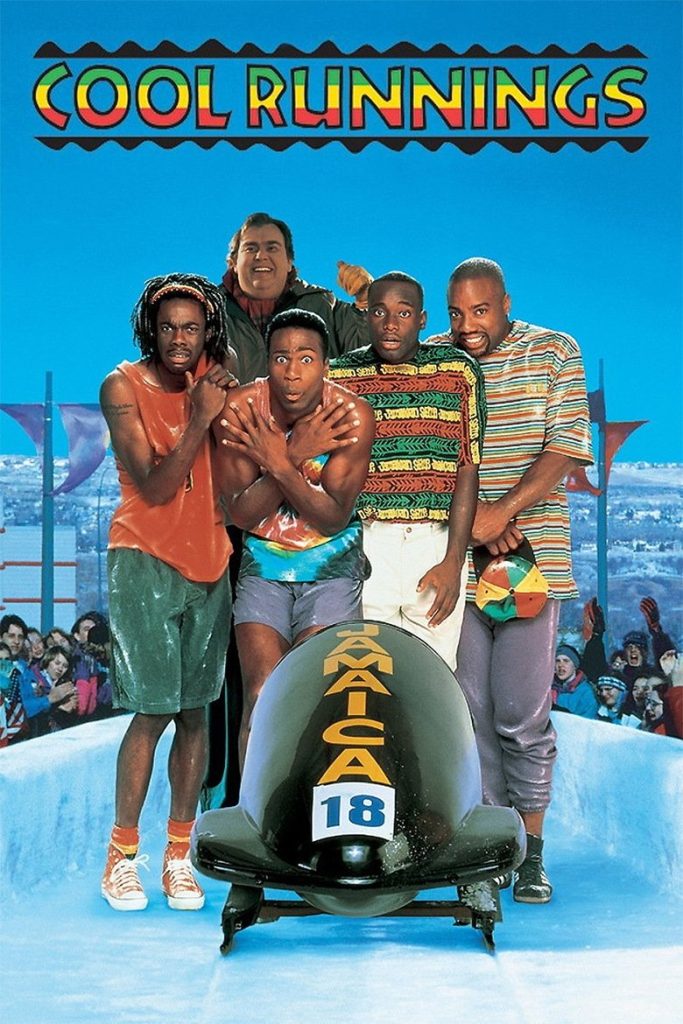
Cool Runnings is a 1993 comedy-adventure film based on the true story of Jamaica's first bobsled team attempting to compete in the Winter Olympics. The movie follows four determined Jamaican athletes who, after failing to qualify for the Summer Olympics, decide to form a bobsled team with the help of a disgraced former coach. Their journey involves overcoming cultural differences, harsh winter conditions, and skepticism from the international sports community. The film blends humor, teamwork, and perseverance as the team strives to prove themselves on the world stage.
Parent Guide
Family-friendly sports comedy with positive messages about perseverance and teamwork.
Content breakdown
Some comedic physical mishaps during training, minor crashes during bobsled runs with no serious injuries shown.
No frightening or disturbing content; all challenges are presented in a lighthearted, inspirational manner.
Very occasional mild language appropriate for PG rating; nothing strong or offensive.
No sexual content or nudity; characters are dressed appropriately for sports activities.
No depiction of alcohol, drugs, or tobacco use.
Some moments of disappointment and competitive pressure, but overall uplifting tone with positive resolution.
Parent tips
This PG-rated film is generally family-friendly with positive messages about determination, teamwork, and overcoming adversity. There are some mild comedic moments involving cultural misunderstandings and physical humor, but no intense violence or strong language. The emotional themes of perseverance and sportsmanship make it suitable for most children, though younger viewers might need help understanding some of the competitive elements.
Parent chat guide
Parent follow-up questions
- What was your favorite part of the movie?
- How did the friends help each other?
- What colors did you see in the snow?
- What sounds did the bobsled make?
- How did the characters feel when they were racing?
- Why was it hard for the team to learn bobsledding?
- How did the characters show they were good teammates?
- What did the coach teach the team about trying their best?
- How did the other teams treat the Jamaican team at first?
- What does it mean to 'never give up' like they did?
- What challenges did the team face because they were from a warm country?
- How did the characters change from the beginning to the end of the movie?
- What does the movie show about sportsmanship in competition?
- Why was it important for the team to keep trying even when things were difficult?
- How did the team represent their country in a positive way?
- What does the film suggest about overcoming stereotypes in sports?
- How did the team balance maintaining their cultural identity while adapting to a new sport?
- What leadership qualities did the coach demonstrate throughout the film?
- How does the movie handle themes of failure and redemption?
- What real-world parallels can you draw from this based-on-a-true-story film?
🎭 Story Kernel
At its core, 'Cool Runnings' is about dignity and self-respect in the face of systemic dismissal. The Jamaican bobsled team's journey isn't driven by Olympic glory—it's driven by the need to prove their worth to a world that sees them as a joke. Derice Bannock's motivation stems from redeeming his father's failed Olympic dream, while Sanka Coffie represents pure joy in movement. The film's real conflict isn't against other teams, but against the condescension of the bobsled establishment. Their final walk across the finish line with their sled becomes a powerful statement: respect isn't given, it's earned through perseverance.
🎬 Visual Aesthetics
The film employs a deliberate visual contrast between Jamaica's vibrant, sun-drenched palette and Canada's sterile, icy blues and whites. This isn't just geographical—it's cultural. The camera lingers on the team's colorful uniforms against the monochromatic bobsled world, visually emphasizing their outsider status. The bobsled sequences use practical effects and tight framing to create genuine tension, avoiding the slick CGI that would undermine the story's grounded feel. Notice how the final crash is shot in slow motion—not for drama, but to emphasize the team's determination as they carry their broken sled.
🔍 Details & Easter Eggs
💡 Behind the Scenes
The real Jamaican bobsled team's 1988 Olympic story was significantly less dramatic—they didn't crash in their final run. The film took creative liberties for narrative impact. John Candy's role as Irv Blitzer was written specifically for him, blending his comedic timing with unexpected emotional depth. Most exterior winter scenes were filmed in Calgary, using the actual 1988 Olympic facilities, while Jamaican scenes were shot in Jamaica for authenticity. The actors underwent real bobsled training, with Leon (Sanka) reportedly enjoying it the most.
Where to watch
Choose region:
- Disney Plus
- Amazon Video
- Apple TV
- Google Play Movies
- YouTube
- Fandango At Home
Trailer
Trailer playback is unavailable in your region.