
Cops and Robbers (2020)
Story overview
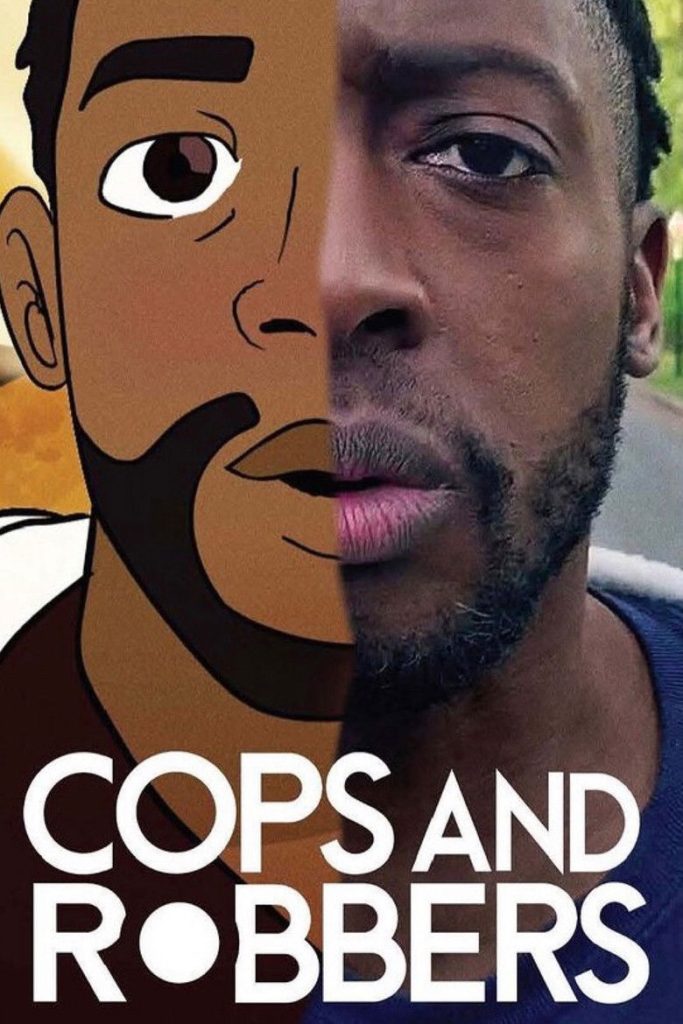
Cops and Robbers is an 8-minute animated short film from 2020 that combines spoken-word poetry with visual art to address police brutality and racial injustice in America. Created by Timothy Ware-Hill, who also voices the piece, it uses multimedia animation to express personal and societal pain, activism, and calls for change. The film is rated PG-13 for its mature themes and emotional intensity, making it a powerful but potentially challenging watch for younger audiences.
Parent Guide
This film is a poignant, artistic response to police brutality and racial injustice, using animation and spoken-word poetry. It's emotionally intense and deals with mature themes, making it most appropriate for teens and adults. Parents should preview it and watch with younger children to provide guidance.
Content breakdown
The film addresses police violence thematically through narration and symbolic imagery (e.g., abstract depictions of conflict, references to shootings). There are no graphic or realistic violent scenes, but the content implies real-world peril and harm.
The subject matter—police brutality and racial injustice—can be disturbing, especially for sensitive viewers. The emotional tone is somber and intense, with poetic descriptions of pain and loss, though it's conveyed artistically rather than through horror elements.
The spoken-word poetry uses formal, artistic language without profanity or harsh slang. Some terms related to violence or injustice (e.g., 'brutality') are included contextually.
No sexual content or nudity is present in the film.
No depiction or reference to substance use.
High emotional intensity due to the serious themes of racial injustice, grief, and activism. The poetic delivery and animation style amplify feelings of sadness, anger, and urgency, which may be overwhelming for younger children.
Parent tips
This film deals with heavy themes of police violence and racial injustice through poetic narration and symbolic animation. It's best suited for mature children and teens who can process complex social issues. Watch it together to provide context and support, as it may evoke strong emotions. Use it as a springboard for discussions about activism, empathy, and social justice. Be prepared to answer questions about real-world events that inspired it.
Parent chat guide
Parent follow-up questions
- What colors or shapes did you see in the animation?
- How did the voice sound—happy, sad, or something else?
- Can you draw a picture about being kind to others?
- What do you think the film was trying to say about police?
- How did the animation help tell the story?
- What does 'activism' mean to you after watching this?
- Why do you think the filmmaker used poetry instead of regular dialogue?
- How does this film relate to real news about racial injustice?
- What are some ways people can work together to make things fairer?
- Analyze the use of multimedia—how do the visuals and words complement each other?
- Discuss the film's impact as an activist piece. Is art an effective tool for social change?
- How does this film connect to historical or current movements like Black Lives Matter?
🎭 Story Kernel
At its core, 'Cops and Robbers' explores the psychological erosion of identity within oppressive systems. The film follows two childhood friends—one who becomes a disillusioned police officer, the other a desperate criminal—whose parallel journeys reveal how institutional corruption and economic desperation are two sides of the same coin. Their eventual confrontation isn't about good versus evil, but about two broken men realizing they've become mirror images of each other, trapped in roles society assigned them. The movie argues that in a world where the system is rigged, the line between law enforcer and lawbreaker becomes dangerously blurred.
🎬 Visual Aesthetics
Director Michael Mann employs a gritty, documentary-style aesthetic with handheld camerawork that creates visceral intimacy during tense sequences. The color palette shifts from warm, saturated tones in flashbacks to cold, desaturated blues and grays in present-day scenes, visually tracking the characters' loss of innocence. Action scenes are brutally efficient rather than glamorous—gunshots echo with startling realism, and chase sequences emphasize physical exhaustion over heroic spectacle. Recurring visual motifs include reflections in windows and mirrors, subtly reinforcing the theme of dual identities and self-confrontation.
🔍 Details & Easter Eggs
💡 Behind the Scenes
The film was shot on location in Detroit's abandoned neighborhoods, with many scenes using practical effects rather than CGI. Lead actors underwent three months of training—one with actual police officers, the other with former convicts—and improvised several key dialogues. The climactic chase sequence required 42 takes over three nights, with temperatures dropping below freezing. Interestingly, several retired police officers consulted on the project initially refused payment, saying the script accurately captured their professional disillusionment.
Where to watch
Choose region:
- Netflix
- Netflix Standard with Ads