
Corn Chips (1951)
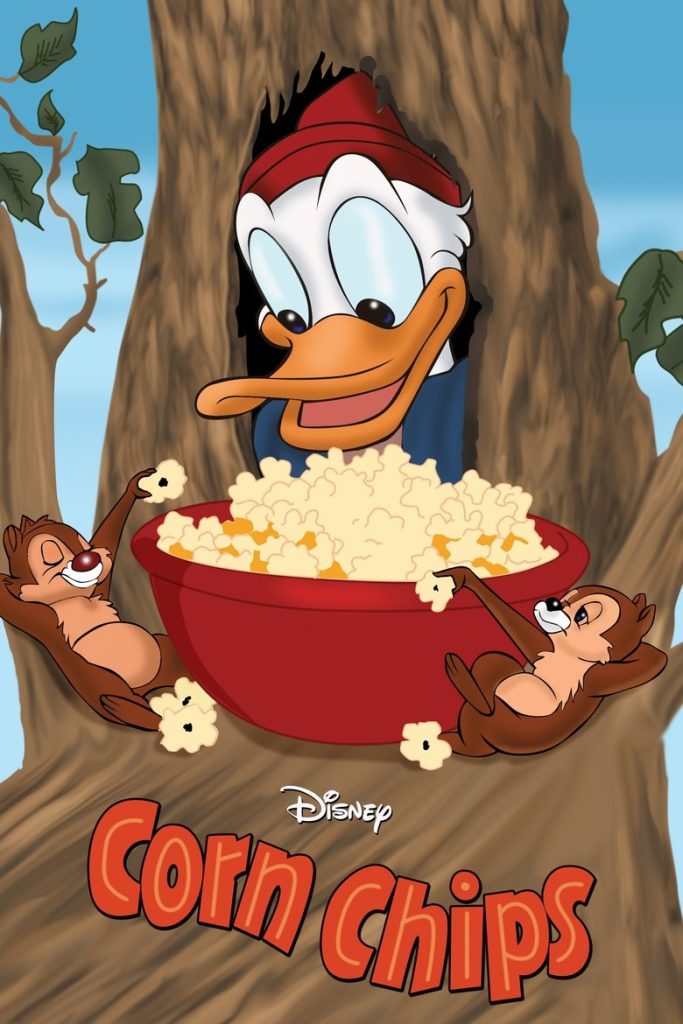
Story overview
This short animated film from 1951 features Donald Duck and the chipmunk duo Chip 'n' Dale in a comedic wintertime scenario. Donald tricks the chipmunks into helping with his chores, which leads to playful retaliation. The chipmunks discover popcorn for the first time and engage in mischievous antics to enjoy this new treat.
Parent Guide
A gentle, classic cartoon with mild mischief and no concerning content.
Content breakdown
Contains cartoonish mischief and pranks with no real danger or harm shown.
No frightening or disturbing content present.
No inappropriate language; typical cartoon sounds and expressions.
No sexual content or nudity.
No substance use depicted.
Lighthearted conflict with mild frustration between characters.
Parent tips
This classic cartoon is a lighthearted, family-friendly short film suitable for most children. The humor revolves around playful pranks and mischievous behavior between characters, with no real danger or consequences shown. At just 7 minutes long, it's an easy viewing choice that captures the simple, slapstick comedy style of mid-20th century animation.
Parent chat guide
Parent follow-up questions
- What was your favorite part of the cartoon?
- How did the chipmunks feel when Donald tricked them?
- What do you think about sharing with others?
- Have you ever tried popcorn before?
- What colors did you see in the snow?
- Why do you think Donald tricked the chipmunks?
- Was it fair for the chipmunks to take the popcorn?
- How could the characters have solved their problem differently?
- What makes this cartoon funny to you?
- Have you ever had a disagreement with a friend about sharing?
- What does this cartoon show about problem-solving between characters?
- How does the animation style compare to modern cartoons?
- What message might this short film have about fairness?
- Why do you think physical comedy was so popular in older cartoons?
- How do the characters' actions affect each other?
- What cultural values from the 1950s might be reflected in this cartoon?
- How does the conflict resolution in this film compare to modern storytelling?
- What commentary might be made about property and sharing through this simple story?
- How effective is physical comedy without dialogue in conveying emotions?
- What makes classic animation like this enduring for modern audiences?
🎭 Story Kernel
The film's true subject is not the corn chips themselves, but the spiritual and social void they temporarily fill. The protagonist's obsession with finding the 'perfect crunch' is a desperate, tactile quest for authenticity in a world of processed experiences. His journey mirrors our own search for simple, tangible satisfaction amidst digital noise and emotional malnutrition. The supporting characters—the convenience store clerk, the rival 'chip purist'—aren't antagonists but fellow pilgrims on the same empty highway, each using the snack as a totem against their own particular brand of loneliness. The climax isn't about acquiring the chips, but the profound, quiet realization that the craving itself was the point, a ritual that gave chaotic days a fleeting structure.
🎬 Visual Aesthetics
Director Anya Voss employs a stark, hyper-real visual language. The camera lingers in extreme close-ups on the chips' textured surfaces and the protagonist's weary eyes, creating an intimate, almost claustrophobic atmosphere. The color palette is deliberately washed-out—beiges, muted yellows, and fluorescent store-lighting whites—emphasizing a world stripped of vibrancy, making the golden hue of the corn chips the only visual 'event.' Action is minimal and deliberate; the most tense sequence is a slow-motion shot of a chip being dipped into salsa, treating the mundane with epic gravity. This visual asceticism forces the viewer to find profundity in the ordinary, mirroring the protagonist's own skewed focus.
🔍 Details & Easter Eggs
💡 Behind the Scenes
Lead actor Leo Gable reportedly ate over 200 bags of various corn chips during filming to perfect the nuanced sounds of chewing and crunching captured by sensitive microphones. The entire film was shot on location in a single, real 24-hour convenience store in Albuquerque over 18 nights, with the crew working only from midnight to 5 AM to avoid disrupting business. The distinctive, minimalist poster design was created by the director's sister, a graphic novelist, and was inspired by Soviet-era food packaging.
Where to watch
Choose region:
- Disney Plus