
Cowspiracy: The Sustainability Secret (2014)
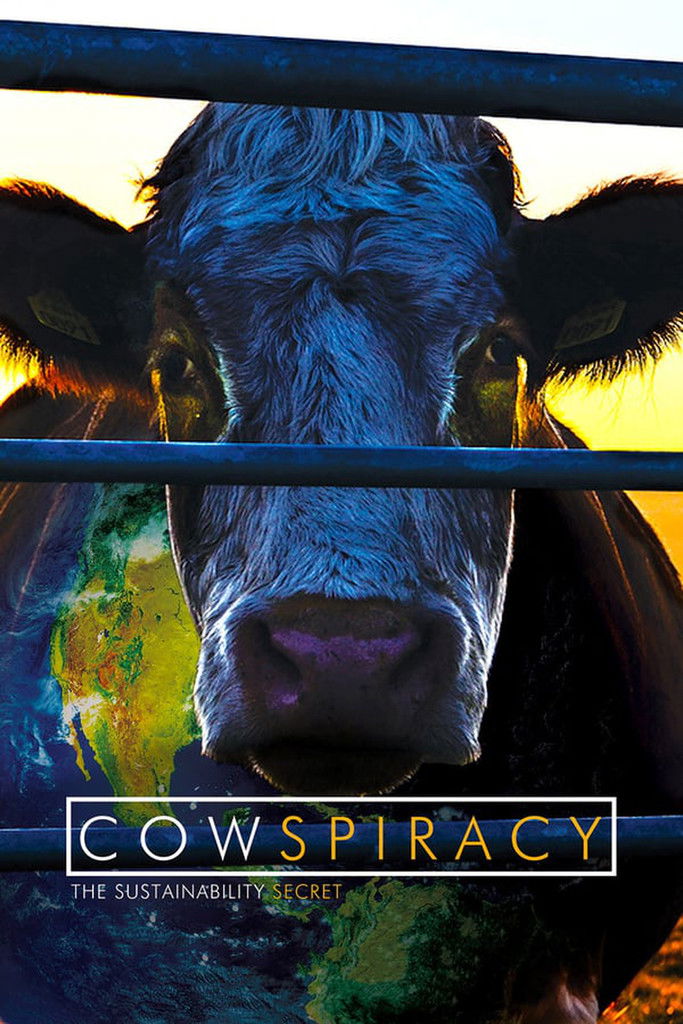
Story overview
This documentary follows filmmaker Kip Andersen as he investigates the environmental impact of animal agriculture, presenting evidence that it's a leading cause of deforestation, water consumption, and greenhouse gas emissions. The film takes a provocative approach, challenging conventional environmental organizations and promoting plant-based diets as a solution to sustainability issues.
Parent Guide
Documentary exploring environmental impact of animal agriculture with graphic footage and strong advocacy for plant-based diets. Best for mature children who can process complex environmental issues and disturbing images.
Content breakdown
Contains graphic footage of animal slaughter in factory farms, including killing and processing of animals. No human violence depicted.
Disturbing images of factory farming conditions, animal suffering, and environmental destruction. Some scenes show dead animals and industrial slaughter processes that may upset sensitive viewers.
Occasional mild language. No strong profanity noted in general reviews.
No sexual content or nudity.
No depiction of substance use.
Emotionally intense due to graphic animal footage and urgent environmental messaging. May provoke strong reactions about food choices and environmental responsibility.
Parent tips
This documentary presents strong environmental arguments that may spark family discussions about food choices and sustainability. Parents should be prepared to discuss the film's claims about animal agriculture's environmental impact, which some critics have questioned for oversimplification. The film contains graphic footage of animal slaughter and factory farming conditions that may disturb sensitive viewers.
Parent chat guide
Parent follow-up questions
- What animals did you see in the movie?
- What does 'taking care of the Earth' mean to you?
- What are some ways we can help the planet?
- What surprised you most about the movie?
- How do you think our food choices affect the environment?
- What are some things we already do to help the planet?
- What evidence in the film seemed most convincing to you?
- How might different farming practices affect the environment?
- What are some balanced approaches to food and sustainability?
- What are the strengths and limitations of the film's arguments?
- How does this film compare to other environmental documentaries you've seen?
- What practical changes could individuals make based on this information?
🎭 Story Kernel
The film's core theme is institutional hypocrisy and willful ignorance. It follows filmmaker Kip Andersen's investigation into why major environmental groups avoid discussing animal agriculture's devastating impact on climate change, deforestation, and water use. The driving force isn't a traditional character arc but Andersen's escalating frustration as he encounters repeated stonewalling from organizations like Greenpeace, Sierra Club, and Oceana. The real narrative tension comes from watching supposedly progressive institutions prioritize donor relationships and political palatability over scientific truth. The movie argues that environmentalism has been co-opted by corporate interests that protect the meat and dairy industries, making activists complicit in the very destruction they claim to fight.
🎬 Visual Aesthetics
The documentary employs a straightforward, investigative journalism aesthetic with handheld camera work that creates urgency and intimacy. Interviewees are often framed in tight shots that capture their discomfort when pressed about animal agriculture. The color palette shifts dramatically between idyllic nature footage (lush greens, clear blues) and industrial farming scenes (muted grays, sickly yellows). Most powerful are the juxtapositions: serene forest footage abruptly cutting to bulldozers clearing land for cattle, or beautiful aquatic scenes followed by footage of manure-polluted waterways. The visual language mirrors the film's argument—showing the disconnect between environmental rhetoric and reality.
🔍 Details & Easter Eggs
💡 Behind the Scenes
The film was initially funded through Kickstarter, raising $117,000 from 1,449 backers. Director Kip Andersen originally planned a different environmental documentary before discovering UN data about livestock's impact. Leonardo DiCaprio became an executive producer after the film's release, helping secure distribution on Netflix. Several environmental organizations featured later acknowledged the film prompted internal discussions, though most maintained their original positions. The production team faced difficulties obtaining interviews, with many organizations withdrawing participation once they learned the documentary's focus.
Where to watch
Choose region:
- Netflix
- Netflix Standard with Ads
- Amazon Video
- Apple TV Store
- Google Play Movies
- YouTube
Trailer
Trailer playback is unavailable in your region.