
Crack: Cocaine, Corruption & Conspiracy (2021)
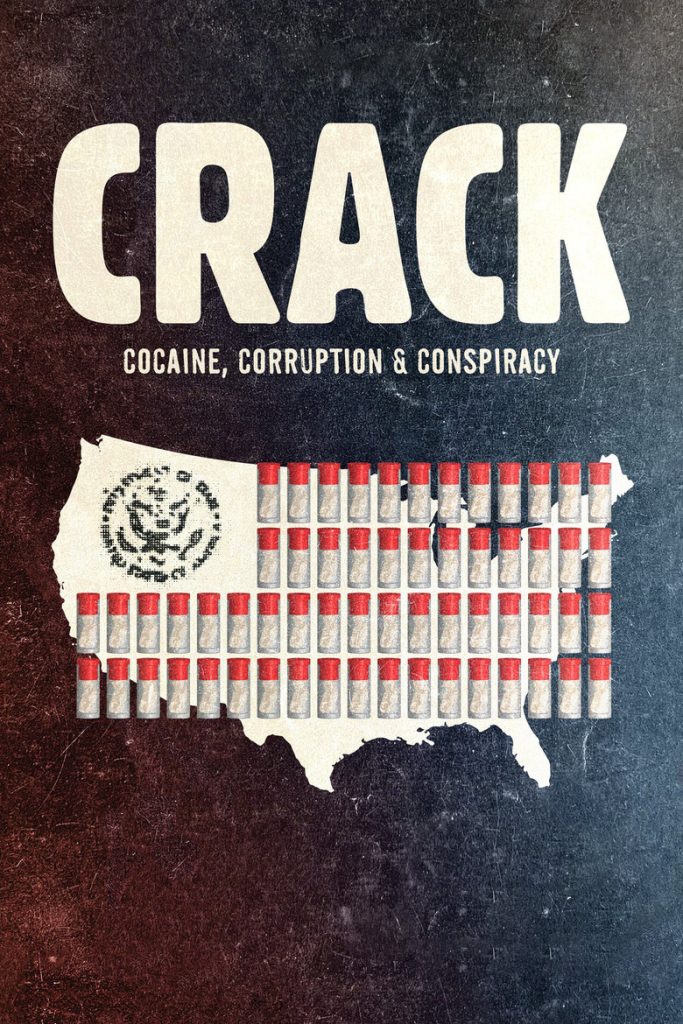
Story overview
This documentary examines the rise of crack cocaine in the 1980s, exploring how economic recession, systemic racism, and political policies contributed to a devastating drug epidemic. Through interviews with experts, former users, and law enforcement, it analyzes the social and racial injustices that fueled the crisis and its lasting impact on communities.
Parent Guide
This documentary provides a serious examination of the 1980s crack epidemic, focusing on social, racial, and political factors. While educational and important, it deals with mature themes that require emotional and intellectual maturity.
Content breakdown
Discussions of drug-related violence and crime, but no graphic depictions. Some descriptions of dangerous situations related to drug use and law enforcement.
The documentary discusses addiction, overdose deaths, family destruction, and systemic injustice. The reality of the crack epidemic's devastating impact on communities may be emotionally disturbing.
Occasional strong language may be present in interview segments or historical footage, but not pervasive.
No sexual content or nudity.
Central theme involves detailed discussion of crack cocaine use, addiction, manufacturing, and distribution. Includes descriptions of drug use effects and the drug trade.
High emotional intensity due to discussions of addiction, racial injustice, community devastation, and personal tragedies. The documentary presents sobering realities about systemic failures.
Parent tips
This documentary deals with mature themes including drug abuse, systemic racism, and social injustice. It contains discussions of addiction, crime, and historical racial discrimination. While there is no graphic violence or explicit content, the subject matter is heavy and requires emotional maturity to process. Best suited for older teens who can engage critically with complex social issues.
Parent chat guide
Parent follow-up questions
—
—
- What do you think makes drugs dangerous?
- How do you think people can help others who are struggling with problems?
- How did racism and economic factors contribute to the crack epidemic?
- What parallels do you see between the crack crisis and current drug issues?
- How do media portrayals affect public perception of social problems?
- What responsibility do governments have in addressing drug epidemics?
- How can communities better support people struggling with addiction?
🎭 Story Kernel
The film's core theme is systemic betrayal. It's not just about crack cocaine's devastation, but about how institutions—government, law enforcement, media—actively conspired or turned a blind eye to protect political interests and maintain racial hierarchies. The driving force isn't individual villainy but a cold, bureaucratic machinery that calculated the acceptable collateral damage of Black and Brown communities. The documentary argues that the crack epidemic was less an organic crisis and more a manufactured one, enabled by policies that funneled weapons into neighborhoods while withholding treatment resources, creating a self-perpetuating cycle of crime and punishment that fed the prison-industrial complex.
🎬 Visual Aesthetics
The visual language masterfully contrasts stark archival footage with intimate contemporary interviews. The 80s news clips are washed in grainy, high-contrast tones, emphasizing the sensationalized, dehumanizing media coverage. In contrast, present-day interviews with survivors and experts are shot in warm, steady close-ups, restoring dignity and depth. The most powerful technique is the juxtaposition of celebratory political speeches about the 'war on drugs' with harrowing street-level footage of the consequences—the disconnect is the entire argument, visualized. Maps and data visualizations pulse ominously, charting the epidemic's deliberate geographic spread.
🔍 Details & Easter Eggs
💡 Behind the Scenes
Director Stanley Nelson deliberately prioritized first-person accounts from within affected communities over typical 'expert' talking heads, conducting hundreds of hours of interviews to find the right voices. Much of the most damning archival footage of CIA and Contra activities was painstakingly restored from low-quality news agency tapes. The film's score, by a composer who grew up in an impacted neighborhood, uses period-specific synthesizer sounds but subverts them with minor-key melodies, sonically representing the era's promise twisted into tragedy.
Where to watch
Choose region:
- Netflix
- Netflix Standard with Ads
Trailer
Trailer playback is unavailable in your region.