Crazy About Her (2021)
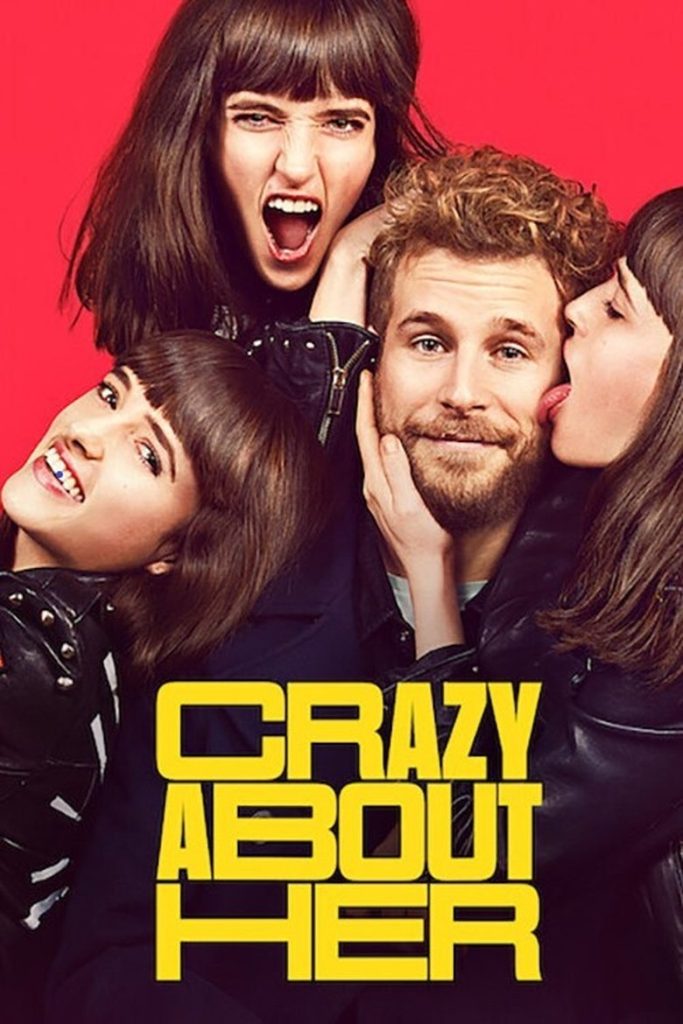
Story overview
Crazy About Her is a 2021 romantic comedy that follows the humorous and chaotic journey of two people navigating the ups and downs of a new relationship. The film explores themes of love, connection, and the challenges of modern dating through lighthearted situations and comedic misunderstandings. With its TV-MA rating, it's aimed at mature audiences and contains content that may not be suitable for younger viewers.
Parent Guide
TV-MA romantic comedy with mature themes about adult relationships. Preview recommended for all ages due to content that may require parental guidance.
Content breakdown
May include comedic arguments or relationship conflicts without physical violence.
Could contain emotionally intense relationship situations or awkward social scenarios.
TV-MA rating suggests potential for strong language, though specific content unknown.
Romantic comedy likely includes sexual references, innuendo, or situations given TV-MA rating.
May include social drinking in adult settings, typical of romantic comedy genre.
Deals with relationship emotions, breakups, and romantic complications that may be intense for younger viewers.
Parent tips
This TV-MA rated romantic comedy contains mature themes and content that parents should preview before deciding if it's appropriate for their family. The film deals with adult relationships and may include elements like strong language, sexual references, or situations that require emotional maturity to process. Consider your child's individual sensitivity and readiness for content about romantic relationships when making viewing decisions.
Parent chat guide
Parent follow-up questions
- What was your favorite funny part in the movie?
- How did the characters show they cared about each other?
- What colors or sounds did you notice most?
- Can you tell me about one nice thing someone did?
- What made you smile while watching?
- What did you think about how the characters solved their problems?
- How did the characters show friendship in the movie?
- What makes a good friend or partner in your opinion?
- Were there any parts that confused you?
- What lesson could someone learn from this story?
- How did the movie portray communication in relationships?
- What did you think about how the characters handled disagreements?
- How does this movie compare to real-life friendships and relationships?
- What messages about love and dating did you notice?
- How do you think media influences our ideas about romance?
- How realistically did the movie portray modern dating and relationships?
- What did you think about the character development throughout the film?
- How does this romantic comedy compare to others you've seen in terms of maturity?
- What themes about emotional intelligence did you notice?
- How might this film influence viewers' expectations about relationships?
🎭 Story Kernel
At its core, 'Crazy About Her' is less a romantic comedy and more an unflinching examination of the caregiver burden in relationships with mental illness. The film subverts the 'manic pixie dream girl' trope by making Carla's bipolar disorder the central, destabilizing force of the narrative, not a quirky charm. Adri's initial infatuation is tested not by external obstacles, but by the exhausting, cyclical reality of Carla's condition. The driving force isn't love conquering all, but the painful question of whether love, in its purest form, can coexist with the relentless demands of being an anchor for someone in perpetual storm. It's about the erosion of self that comes from prioritizing another's survival.
🎬 Visual Aesthetics
The film's visual language mirrors Carla's psychological states with stark contrast. Scenes during her manic episodes are bathed in warm, saturated colors—vibrant yellows and reds—with dynamic, handheld camerawork that feels impulsive and alive. Conversely, her depressive phases and Adri's growing exhaustion are framed in cool, desaturated blues and grays, with static, composed shots that emphasize isolation and emotional distance. The psychiatric hospital is depicted not as a grim institution, but with a sterile, almost calming aesthetic, highlighting its role as a necessary container rather than a prison. The camera often lingers on Adri's face in close-up, capturing his silent fatigue more eloquently than any dialogue.
🔍 Details & Easter Eggs
💡 Behind the Scenes
The film is directed by Dani de la Torre, known for thrillers, which explains the tense, almost suspenseful pacing applied to a romantic drama. Lead actress Susana Abaitua reportedly worked closely with mental health professionals to portray Carla's bipolar disorder with authenticity, avoiding caricature. Notably, much of the film was shot on location in and around Barcelona, with the psychiatric hospital scenes filmed in a real, repurposed facility to enhance the sense of realism. The script deliberately avoids a neatly tied 'happy ending,' a choice that sparked debate but was defended by the filmmakers as essential to the story's honest emotional core.
Where to watch
Choose region:
- Netflix
- Netflix Standard with Ads
- Google Play Movies
- YouTube
Trailer
Trailer playback is unavailable in your region.