
Creating The Queen’s Gambit (2021)
Story overview
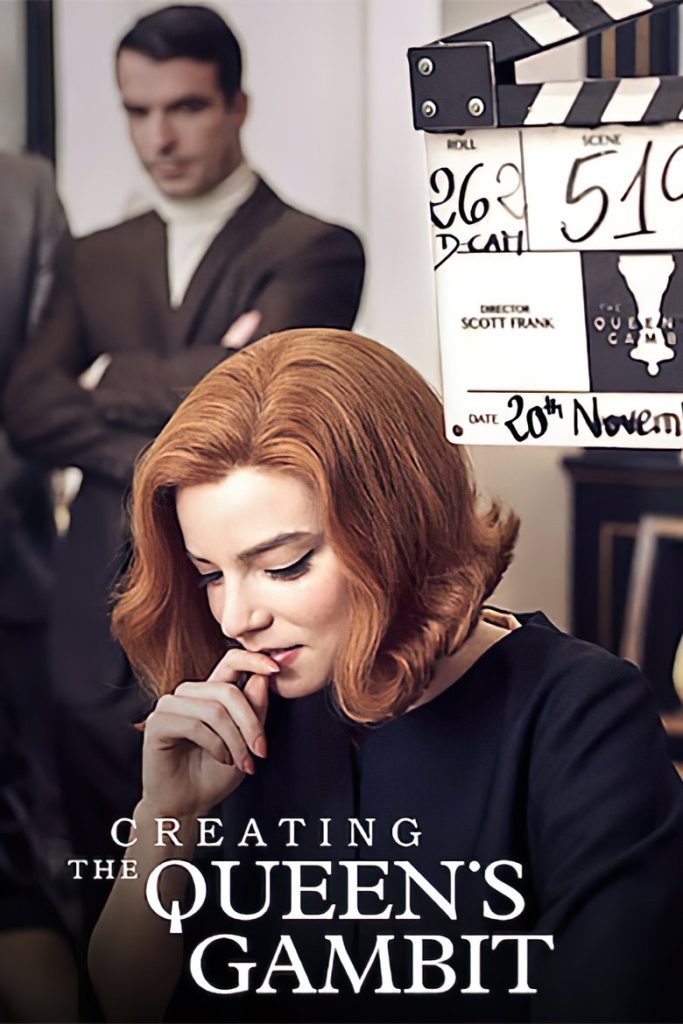
This 14-minute documentary explores the making of the acclaimed Netflix series 'The Queen's Gambit,' featuring interviews with cast members like Anya Taylor-Joy and Thomas Brodie-Sangster, creators, and crew. It delves into character development, set design, costume details (including wigs for different eras), and the collaborative process behind bringing the story of a chess prodigy to life. As a behind-the-scenes look, it focuses on filmmaking artistry rather than the series' plot.
Parent Guide
This documentary is a family-friendly, educational look at TV production, with no concerning content. It's best suited for children aged 8 and up who can appreciate discussions about creativity and filmmaking.
Content breakdown
No violence or peril is depicted; the content is purely behind-the-scenes and non-fiction.
Nothing scary or disturbing; it focuses on positive aspects of production like design and interviews.
No offensive language is present; the tone is professional and informative.
No sexual content or nudity; discussions are about artistic elements only.
No substance use is shown or discussed; it avoids mature themes from the original series.
Mild emotional intensity may arise from enthusiasm about creative work, but no distressing content.
Parent tips
This documentary is suitable for most ages, as it discusses creative processes without mature content. For younger viewers (under 8), it might be less engaging due to its focus on production details rather than action or animation. Consider watching it with children who enjoyed the series to enhance their appreciation of filmmaking. No content warnings are needed, but note that it references the original series, which has themes of addiction and trauma.
Parent chat guide
Parent follow-up questions
- Did you see any pretty costumes or wigs in the video?
- What was your favorite part of making a show?
- How do you think the actors learned to play chess for the show?
- Why do you think sets and costumes are important in a movie?
- What challenges might the creators have faced in making 'The Queen's Gambit'?
- How does a documentary like this help us understand filmmaking better?
- In what ways did the documentary highlight the collaborative nature of TV production?
- How do behind-the-scenes features influence your perception of a series like 'The Queen's Gambit'?
🎭 Story Kernel
The documentary reveals that 'The Queen's Gambit' is less about chess mastery and more about the meticulous construction of obsession. It explores how the creative team weaponized Beth Harmon's addiction—to pills, to winning, to control—as the true engine of the narrative. The real conflict isn't Beth against her opponents, but Beth against the void of her own trauma, with chess serving as both her sanctuary and her cage. The series dissects genius not as innate talent, but as a painful, compulsive response to loss, making her eventual vulnerability in Moscow not a victory of skill, but a triumph of human connection over solitary fixation.
🎬 Visual Aesthetics
The documentary highlights how the series' visual language is a calculated study in contrast and containment. The cinematography employs symmetrical framing and deliberate, almost chess-like camera movements to mirror the protagonist's controlled mindscape. A distinct color palette evolves with Beth: the sterile greens and institutional beiges of the orphanage give way to the rich, bold patterns of the 60s as she gains agency, yet she's often isolated in wide shots within these vibrant spaces. The chess sequences avoid flashy CGI, instead using intense close-ups on faces and pieces to build psychological tension, making the silent contemplation more thrilling than any action scene.
🔍 Details & Easter Eggs
💡 Behind the Scenes
Anya Taylor-Joy had never played chess before filming and underwent intensive training, but the documentary reveals the close-ups of hands moving pieces often belonged to chess consultants, including former champion Garry Kasparov who advised on the matches. The famous Moscow tournament finale was filmed in Berlin's empty Café Moskau, meticulously dressed to period perfection. Costume designer Gabriele Binder created over 200 unique outfits for Beth, using clothing as a direct narrative tool to show her rising confidence and assimilation into different worlds, from borrowed clothes to high fashion.
Where to watch
Choose region:
- Netflix
- Netflix Standard with Ads