
Crip Camp: A Disability Revolution (2020)
Story overview
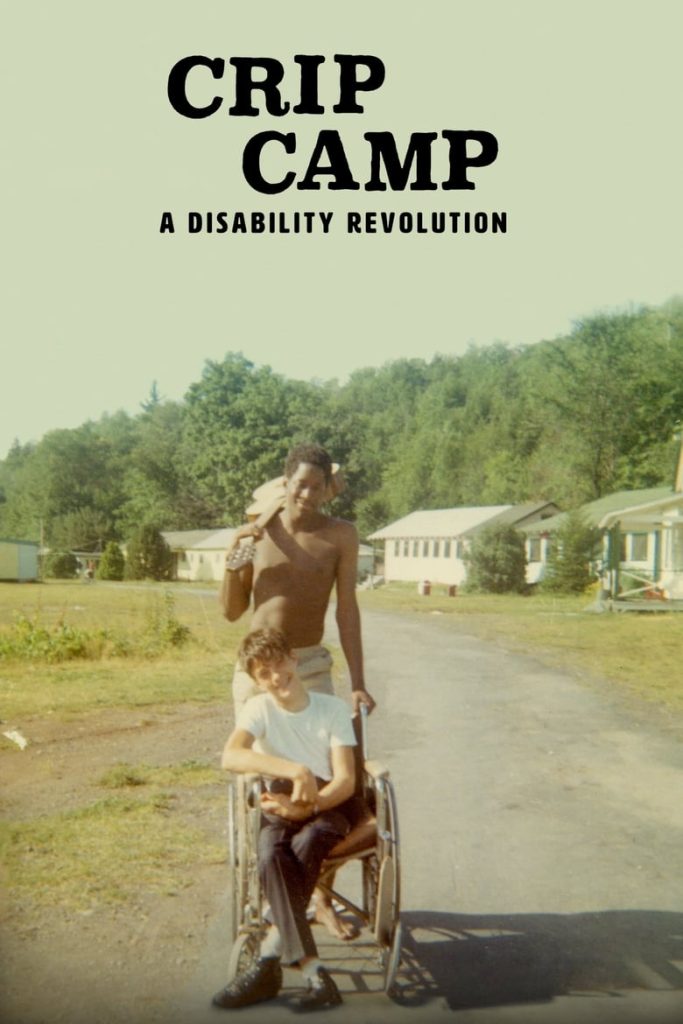
Crip Camp: A Disability Revolution is a 2020 documentary that chronicles the inspiring story of Camp Jened, a summer camp for disabled teenagers in the early 1970s. The film follows campers as they form a community, gain confidence, and later become key activists in the disability rights movement, leading to significant social and legislative changes. It highlights themes of empowerment, advocacy, and the fight for equality.
Parent Guide
This documentary is educational and inspiring but deals with mature themes related to disability discrimination and activism. It is best suited for teens and adults who can understand the historical context and emotional depth. The R rating is due to strong language and discussions of societal barriers.
Content breakdown
Includes archival footage of protests and civil disobedience, such as sit-ins and demonstrations, which may involve tense situations but no graphic violence. Some scenes depict the challenges and dangers faced by disabled individuals in inaccessible environments.
Discussions and depictions of discrimination, institutional neglect, and the struggles of disabled people might be emotionally impactful. Some scenes show protests that could be intense but are not graphically disturbing.
Contains occasional strong language (e.g., profanities) in interviews and archival footage, which contributes to the R rating. Language is used in contexts of frustration or emphasis during activism.
No sexual content or nudity is present in the film.
No depiction or discussion of substance use.
The film evokes strong emotions through stories of personal struggle, empowerment, and social change. Themes of injustice and triumph may be moving, especially for viewers sensitive to issues of disability and civil rights.
Parent tips
This documentary offers a powerful educational opportunity about disability rights and social justice. Parents should be prepared to discuss historical discrimination, activism, and the importance of inclusion. The R rating primarily reflects strong language and mature themes, so previewing or watching together with older children is recommended to provide context and guidance.
Parent chat guide
Parent follow-up questions
- What did you like about the camp in the movie?
- How do you think the campers felt when they were together?
- Can you think of ways to be kind to everyone?
- Why was Camp Jened special for the teenagers?
- What are some things the campers did to help each other?
- How did the campers work together to make changes later?
- What challenges did the campers face because of their disabilities?
- How did activism help improve rights for people with disabilities?
- What can we learn from this story about standing up for what's right?
- How does this documentary illustrate the power of collective action in social movements?
- What parallels can you draw between the disability rights movement and other civil rights struggles?
- In what ways does the film challenge stereotypes about disability and capability?
🎭 Story Kernel
At its core, 'Crip Camp' explores how personal joy and community in a segregated space can forge the collective identity and political will necessary for systemic change. The film argues that the 504 Sit-in wasn't just a protest—it was the logical, radical extension of the freedom first experienced at Camp Jened. The characters are driven by a profound shift: from internalizing society's view of them as broken to recognizing their shared power and humanity. The narrative arc moves from the intimate, messy liberation of the camp to the disciplined, public demand for civil rights, showing how the former made the latter possible.
🎬 Visual Aesthetics
The film's visual language masterfully contrasts two eras. Archival 16mm footage from Camp Jened is grainy, sun-drenched, and handheld, capturing raw, unfiltered moments of joy and candid conversation that feel stolen and immediate. This contrasts sharply with the cleaner, more composed contemporary interviews and the stark, institutional visuals of the 504 Sit-in protest footage. The color palette shifts from the warm, earthy tones of the 1970s camp to the fluorescent-lit, bureaucratic grays of the HEW building. This visual dichotomy reinforces the journey from personal sanctuary to political battlefield.
🔍 Details & Easter Eggs
💡 Behind the Scenes
The film was executive produced by Barack and Michelle Obama's Higher Ground Productions. Co-director James Lebrecht, who appears in the film, was a camper at Camp Jened, making this a deeply personal project. Much of the camp's archival footage was thought to be lost; it was rediscovered in a New York warehouse. The film's editors sifted through over 100 hours of raw 1970s footage to find the intimate moments that form the emotional backbone of the story.
Where to watch
Choose region:
- Netflix
- Netflix Standard with Ads
Trailer
Trailer playback is unavailable in your region.