
Crisis Hotline: Veterans Press 1 (2013)
Story overview
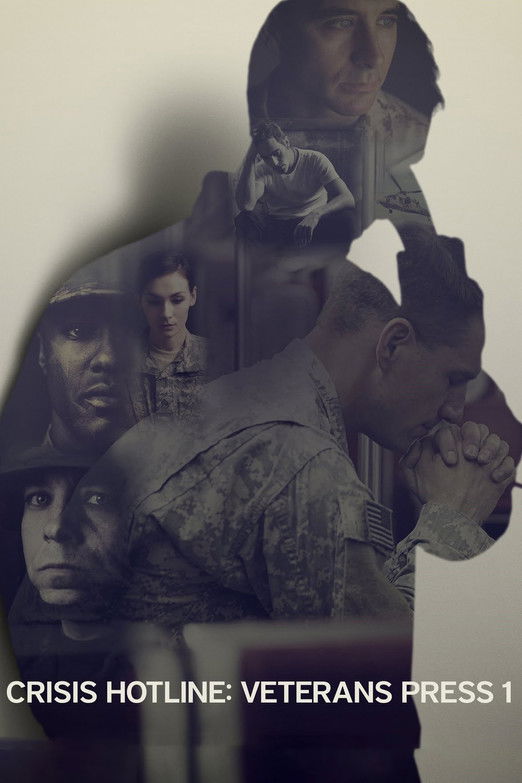
This 2013 documentary provides an intimate look at the Veterans Crisis Line, a 24/7 hotline that supports veterans experiencing emotional distress or suicidal thoughts. The film follows trained responders as they handle sensitive calls, highlighting the mental health challenges faced by military veterans and the critical work of crisis intervention.
Parent Guide
This documentary addresses serious mental health issues and suicide prevention among veterans. It contains intense emotional content and discussions of traumatic experiences. While there is no graphic violence or explicit content, the subject matter requires emotional maturity.
Content breakdown
No physical violence is shown, but there are discussions of past combat experiences and current suicidal ideation that create psychological peril.
The content is emotionally intense and potentially disturbing as it deals with suicide prevention, trauma, and mental health crises. Real phone calls with distressed veterans create tense, emotionally charged moments.
Minimal strong language, if any. The focus is on professional communication between crisis responders and callers.
No sexual content or nudity.
No depiction or discussion of substance use.
High emotional intensity throughout as crisis responders handle life-or-death situations. The documentary captures raw, vulnerable moments and discussions of trauma, depression, and suicidal thoughts.
Parent tips
This documentary deals with mature themes including suicide, trauma, and mental health crises. It contains intense emotional content and discussions of life-or-death situations. Parents should preview the film and be prepared to discuss these serious topics with their children. The film is best suited for mature teens who can handle discussions about suicide and veteran trauma.
Parent chat guide
Parent follow-up questions
—
—
—
- What did you learn about the challenges veterans face after military service?
- How do the crisis responders show empathy while maintaining professional boundaries?
- Why is it important to have specialized crisis lines for different groups like veterans?
- What are some healthy ways to cope with difficult emotions or stress?
- How can we support people who might be struggling with mental health issues?
🎭 Story Kernel
The film's core theme explores the profound disconnect between the battlefield and homefront, where psychological trauma becomes the unspoken war that continues long after combat ends. It's not about dramatic heroics but the quiet, daily struggle of veterans navigating a system that often fails to understand their invisible wounds. The crisis counselors become frontline soldiers in this new conflict, fighting against isolation, bureaucratic indifference, and the stigma surrounding mental health. What drives these characters is the fundamental human need for connection and validation—the desperate search for someone who will simply listen without judgment to experiences that defy civilian comprehension.
🎬 Visual Aesthetics
The documentary employs a restrained, observational visual style that mirrors the counselors' professional detachment while revealing their emotional investment. Static shots of empty waiting rooms and quiet office spaces create a sense of suspended time, contrasting with the urgency of the phone calls. The camera often lingers on counselors' faces during pauses in conversation, capturing micro-expressions of empathy, frustration, and exhaustion. There's a deliberate absence of battlefield footage—the war exists only in voices and memories, making the trauma more haunting through its invisibility. The color palette leans toward institutional blues and grays, emphasizing the bureaucratic setting where deeply human dramas unfold.
🔍 Details & Easter Eggs
💡 Behind the Scenes
The film was shot over several months at the Veterans Crisis Line center in Canandaigua, New York, with filmmakers gaining unprecedented access to actual crisis calls (with identities protected). Director Ellen Goosenberg Kent spent months building trust with counselors before filming began. Several counselors featured are veterans themselves, bringing personal understanding to their work. The production used minimal crew to avoid disrupting the sensitive environment, with some scenes captured using remote cameras. The documentary won the Emmy for Outstanding Short Documentary in 2014.
Where to watch
Choose region:
- HBO Max
- HBO Max Amazon Channel
- Amazon Video
- Apple TV Store
- Google Play Movies
- YouTube
- Fandango At Home
Trailer
Trailer playback is unavailable in your region.