
Cuba and the Cameraman (2017)
Story overview
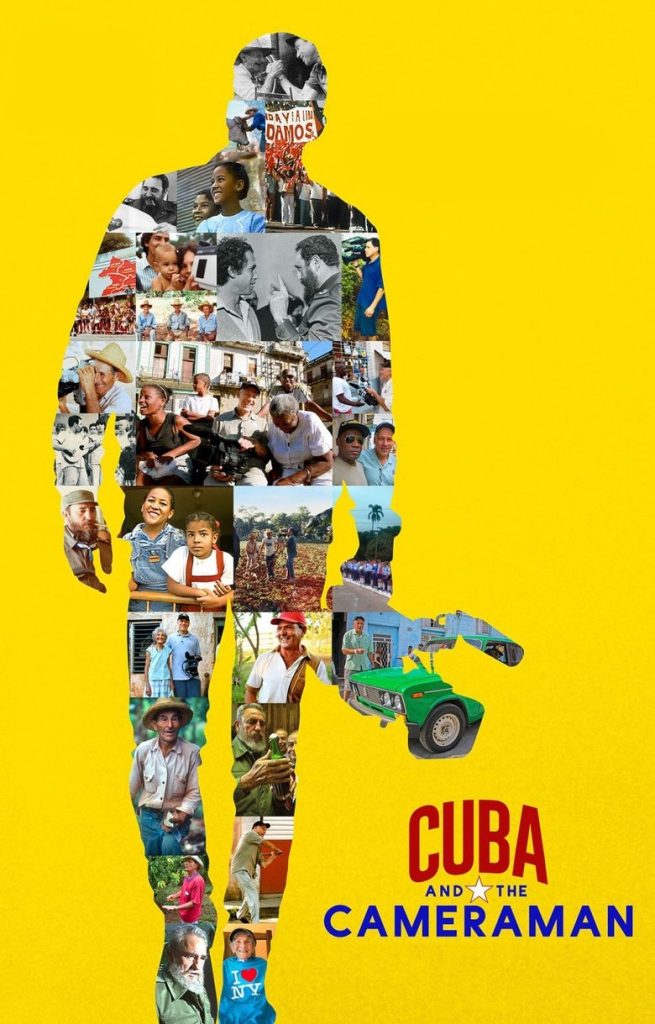
Cuba and the Cameraman is a 2017 documentary by filmmaker Jon Alpert that provides an intimate, long-term look at Cuba through the lens of his camera over four decades. The film follows three Cuban families and their evolving lives under Fidel Castro's leadership, offering personal perspectives on political changes, economic challenges, and daily life in Cuba. It combines historical footage with contemporary interviews to create a nuanced portrait of a nation in transition.
Parent Guide
Educational documentary suitable for mature children and teens interested in history and politics. Contains discussions of political conflict and economic hardship.
Content breakdown
Historical footage includes brief scenes of political protests and military presence. No graphic violence shown.
Some scenes show poverty and economic hardship. Discussions of political oppression may be unsettling for sensitive viewers.
No offensive language noted in the documentary.
No sexual content or nudity.
No depiction of substance use.
Emotional scenes of family struggles and political tension. The long-term perspective creates emotional weight as viewers witness life changes over decades.
Parent tips
This documentary offers educational value about Cuban history and politics, but may be slow-paced for younger viewers. Consider watching with children 10+ to discuss historical context and family resilience. The film includes scenes of poverty and political tension that could prompt questions about inequality and governance.
Parent chat guide
Parent follow-up questions
—
- What was interesting about the families in the movie?
- What did you learn about Cuba?
- How did the families' lives change over the 40 years?
- What challenges did people face in Cuba?
- What did you think about Fidel Castro's role in the story?
- How does the documentary balance personal stories with political history?
- What insights does the film offer about resilience and adaptation?
- How might different viewers interpret the portrayal of Castro's leadership?
🎭 Story Kernel
At its core, 'Cuba and the Cameraman' is a profound meditation on time, revolution, and the human spirit's resilience against political tides. Director Jon Alpert's documentary isn't driven by traditional narrative arcs, but by the relentless passage of decades. The film expresses how ideology and economic systems transform lives, yet how fundamental human desires—for family, dignity, and connection—persist unchanged. What drives the characters isn't plot, but survival and adaptation: the farmer Luis struggling with collectivization, the streetwise Iván navigating scarcity, and the elderly sisters clinging to memory. The real protagonist is time itself, revealing how political promises weather into personal realities.
🎬 Visual Aesthetics
The film's visual language is its most powerful narrator. Alpert's handheld, vérité style creates intimate immediacy, placing us in crowded Havana apartments and sun-baked fields. The most striking aesthetic is temporal: the grainy 1970s footage bleeding into cleaner digital images, visually tracking Cuba's technological stagnation and gradual change. Recurring shots of crumbling colonial architecture against propaganda murals create a silent dialogue between past and present ideologies. There's no stylized color grading—the palette is the authentic fade of old film and the harsh Caribbean light, making the passage of time feel tangible, not artistic.
🔍 Details & Easter Eggs
💡 Behind the Scenes
Director Jon Alpert began filming in 1974 during a student trip, returning dozens of times over 45 years without institutional backing, making this one of cinema's longest personal documentary projects. The subjects—Luis, Iván, and the sisters—were not pre-selected; Alpert met them organically during early visits. Remarkably, Alpert maintained access through Cuba's most restrictive periods by building genuine trust, not through official channels. The film's archival material survived hurricanes and poor storage conditions in both Cuba and New York. Alpert often filmed alone with minimal equipment, explaining the intimate, unguarded moments that define the film's emotional power.
Where to watch
Choose region:
- Netflix
- Netflix Standard with Ads
Trailer
Trailer playback is unavailable in your region.