
Curry & Cyanide: The Jolly Joseph Case (2023)
Story overview
This documentary examines the true-crime case of Jolly Joseph, a woman accused of multiple murders within her own family in India. It explores the investigation into six suspicious deaths, presenting evidence, interviews, and analysis of this complex criminal case.
Parent Guide
A serious true-crime documentary about multiple family murders. Suitable for mature teens with parental guidance due to disturbing subject matter.
Content breakdown
Discussions of poisoning deaths and murder investigations. No graphic violence shown, but detailed descriptions of how people died.
Disturbing content about family members allegedly killing each other. Themes of betrayal, death, and criminal investigation within a family context.
May include some strong language in interviews or descriptions, but primarily factual documentary language.
No sexual content or nudity present.
Mentions of cyanide and other substances used in alleged poisonings as part of criminal case.
High emotional intensity due to real family tragedies, grief, betrayal, and criminal accusations within a family.
Parent tips
This documentary deals with real-life murder investigations and family tragedies. It includes discussions of poisoning, death, and criminal investigations. While not visually graphic, the subject matter involves serious crimes against family members.
Parent chat guide
Parent follow-up questions
—
- What do you think investigators do to solve crimes?
- Why is it important to tell the truth when something serious happens?
- What makes this case different from fictional crime stories?
- How do you think the family members felt during the investigation?
- What ethical questions does this documentary raise about family relationships?
- How does the documentary present evidence versus speculation?
- What societal factors might contribute to such cases?
🎭 Story Kernel
The documentary explores the Koodathayi poisonings, a series of six murders committed over fourteen years within a single family in Kerala. It is less a whodunit and more a psychological examination of how Jolly Joseph maintained a facade of piety and professional success while systematically eliminating those who stood in her way. The film investigates the intersection of greed, social status, and the profound failure of familial trust. It highlights how Jolly exploited the patriarchal structure and the inherent respect afforded to her supposed academic position to deflect suspicion. By focusing on the survivors' perspectives, the narrative exposes the deep-seated societal blind spots that allow a predator to operate in plain sight, turning the domestic sphere into a site of calculated, cold-blooded horror.
🎬 Visual Aesthetics
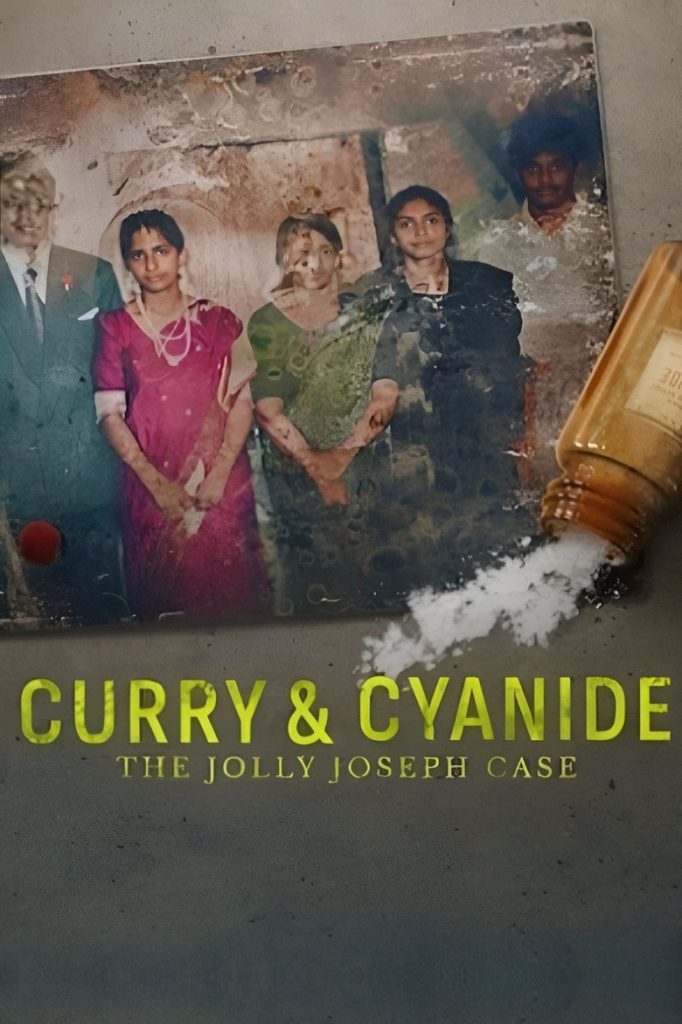
Director Christo Tomy utilizes a clinical yet haunting visual palette that avoids the lurid sensationalism often found in true-crime media. The cinematography frequently lingers on the architecture of the family home, transforming a mundane domestic space into a silent, claustrophobic witness to the crimes. Archival family photographs are used with devastating effect, their inherent warmth clashing violently with the grim forensic details being discussed. The lighting in the interview segments is stark and unforgiving, emphasizing the raw grief and exhaustion of the family members. Recreations are handled with a restrained, atmospheric touch, focusing on objects—like the lethal white powder or the preparation of food—to create a sense of impending doom. This visual dissonance between the lush Kerala landscape and the chemical lethality of cyanide mirrors the duality of Jolly’s public and private personas.
🔍 Details & Easter Eggs
💡 Behind the Scenes
Director Christo Tomy, a two-time National Film Award winner, transitioned from acclaimed short films to this high-profile Netflix documentary, bringing a sophisticated narrative structure to the true-crime genre. The project was produced by India Today Originals, providing the crew with extensive access to journalistic archives and key figures involved in the investigation. While the Koodathayi case had previously inspired several fictionalized television episodes and films in India, this documentary is considered the definitive account due to its direct interviews with Jolly’s son, Remo Roy, and her brother-in-law, Rojo Thomas, who was instrumental in reopening the case.
Where to watch
Choose region:
- Netflix
- Netflix Standard with Ads
Trailer
Trailer playback is unavailable in your region.