
Dance Dreams: Hot Chocolate Nutcracker (2020)
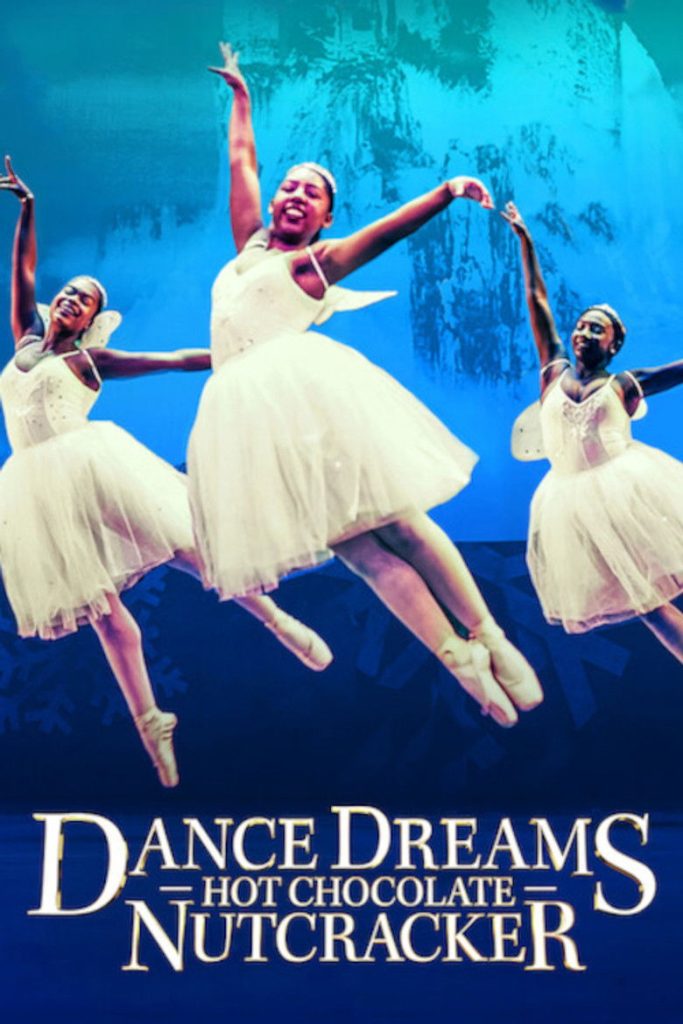
Story overview
This inspiring documentary follows legendary dancer/choreographer Debbie Allen and her students as they prepare for her annual 'Hot Chocolate Nutcracker' production - a vibrant, culturally diverse reimagining of the classic ballet. Viewers get behind-the-scenes access to rehearsals, creative challenges, and the dedication required to stage this ambitious performance.
Parent Guide
Family-friendly documentary celebrating dance, creativity, and cultural diversity. Shows positive mentorship and the rewards of disciplined practice.
Content breakdown
No violence or peril. The documentary focuses on artistic preparation and performance.
Nothing scary or disturbing. All content is uplifting and educational.
No offensive language. Occasional dance terminology and motivational speaking.
No sexual content or nudity. Dancers wear typical rehearsal and performance attire.
No substance use shown or discussed.
Mild emotional moments related to performance pressure and artistic dedication. Some scenes show dancers pushing through physical challenges.
Parent tips
1. Discuss how hard work and perseverance lead to artistic achievement. 2. Point out the diverse representation in casting and choreography. 3. Note how the documentary shows both the glamour of performance and the demanding preparation behind it. 4. Consider watching traditional Nutcracker versions to compare interpretations.
Parent chat guide
Parent follow-up questions
- Did you like the dancing? What was your favorite costume?
- Can you move like the dancers in the movie?
- What colors did you see in the show?
- What was the hardest part for the dancers to learn?
- Why do you think Debbie Allen created this version of The Nutcracker?
- What did the dancers have to practice the most?
- How does this documentary show the balance between artistic creativity and disciplined practice?
- What leadership qualities does Debbie Allen demonstrate?
- How does this production celebrate cultural diversity through dance?
- How does this documentary portray the realities of pursuing dance professionally?
- What societal messages about race and representation are embedded in this production?
- How does the film structure create both inspirational and realistic portrayals of artistic endeavor?
🎭 Story Kernel
The film's core theme is the democratization and reclamation of classical art forms by marginalized communities. It's not just about putting on a holiday show—it's about the radical act of Black and brown dancers claiming space in the rigid, Eurocentric world of ballet. What drives the characters, particularly Debbie Allen and her students, is the dual desire for artistic excellence and cultural representation. The movie expresses how art becomes revolutionary when it reflects the people creating it, transforming The Nutcracker from a colonial fantasy into a celebration of African diaspora culture. The real tension isn't about perfect pirouettes, but about whether traditional institutions will make room for this vibrant reinterpretation.
🎬 Visual Aesthetics
The documentary employs intimate, handheld camerawork that makes viewers feel like backstage insiders, contrasting with polished stage performances. The color palette shifts from rehearsal grays to the explosive vibrancy of Hot Chocolate costumes—rich browns, golds, and reds that celebrate melanin rather than traditional ballet pinks. Symbolically, the camera lingers on feet: blistered pointe shoes next to sneakers, highlighting the physical labor behind the art. During performances, sweeping crane shots capture the scale of Allen's vision, while close-ups on young dancers' determined faces emphasize the personal stakes. The visual language consistently centers Black bodies in spaces where they've historically been excluded.
🔍 Details & Easter Eggs
💡 Behind the Scenes
Debbie Allen originally created the Hot Chocolate Nutcracker in 2008 as a holiday fundraiser for her dance academy. The documentary was filmed over multiple years, capturing different student generations. Real-life dance legends like Misty Copeland make cameo appearances, though the film wisely keeps the focus on the students. The production's elaborate costumes and sets are created largely by parents and volunteers, adding to the community-driven spirit. Notably, the film crew had to navigate shooting during actual performances without disrupting the show, using small cameras and wireless mics to capture authentic moments.
Where to watch
Choose region:
- Netflix
- Netflix Standard with Ads
Trailer
Trailer playback is unavailable in your region.