
Dance of the Forty One (2020)
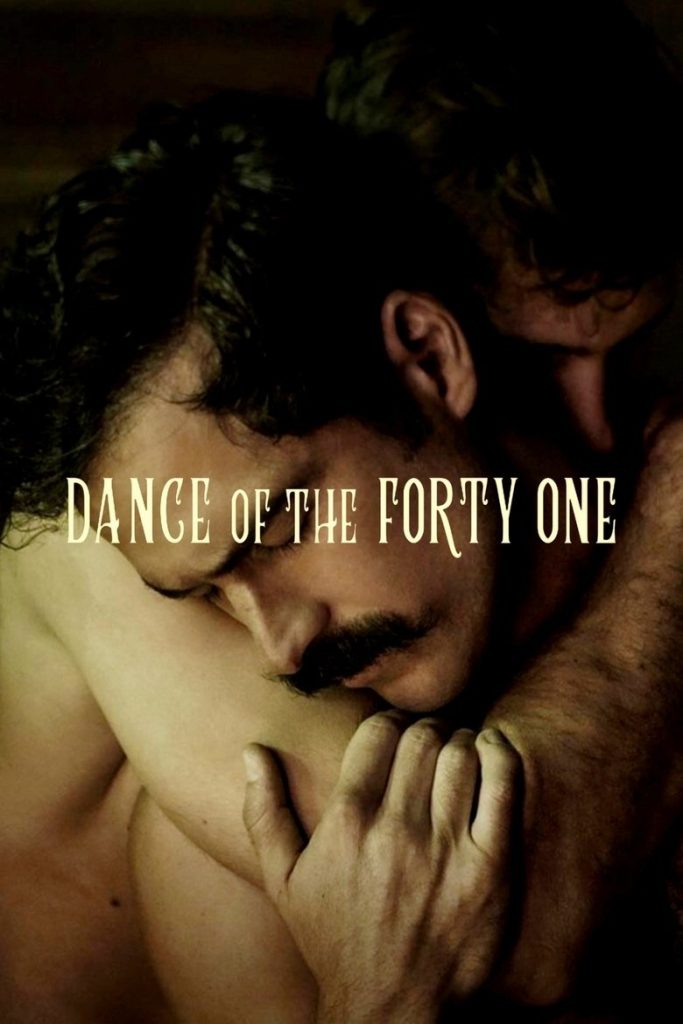
Story overview
Dance of the Forty One is a 2020 historical drama film. It explores themes related to societal norms and personal identity in a historical context. The TV-MA rating indicates content suitable for mature audiences only.
Parent Guide
This historical drama with TV-MA rating contains mature themes requiring parental guidance for viewers under 17.
Content breakdown
May contain historical conflict or tense situations typical of drama films.
Contains mature themes and dramatic situations that may be emotionally intense.
May include period-appropriate dialogue with potentially mature content.
Likely contains mature themes related to relationships and identity.
May include historical depictions of substance use appropriate to the time period.
Deals with complex social and personal themes that require emotional maturity.
Parent tips
This film carries a TV-MA rating, meaning it's intended for mature audiences and may not be suitable for children under 17. Parents should preview this content before allowing teenagers to watch, as it deals with complex historical and social themes that require emotional maturity to process. Consider your child's sensitivity to dramatic content and their ability to handle mature subject matter before viewing.
Parent chat guide
Parent follow-up questions
- What colors did you see in the movie?
- Did you hear any music you liked?
- What was your favorite part to watch?
- What time period do you think this story took place in?
- How do you think the characters were feeling in different scenes?
- What did you learn about how people lived in the past?
- What historical issues do you think this film was trying to show?
- How do you think society has changed since the time shown in the movie?
- What challenges do you think people faced during this historical period?
- How does this film handle complex social and historical themes?
- What perspectives on human relationships does this historical drama present?
- How might this story help us understand contemporary social issues?
🎭 Story Kernel
At its core, 'Dance of the Forty One' explores the brutal collision between authentic identity and rigid societal facades. The film isn't just about a secret gay ball in 1901 Mexico—it's about the suffocating performance required to maintain privilege. Ignacio de la Torre's character is driven by a desperate need to preserve his political marriage and social standing, while Amada's pursuit of truth is fueled by the pain of systemic betrayal. The real conflict isn't between individuals, but between the self and the elaborate theater of conformity. The forty-one arrested men become symbols of what happens when private truth threatens public fiction.
🎬 Visual Aesthetics
The film's visual language masterfully contrasts opulent deception with raw vulnerability. Director David Pablos uses a warm, golden palette for the Díaz regime's public displays—mimicking historical paintings of power—while the secret ball scenes are bathed in cooler blues and intimate shadows, creating a sanctuary that feels both fragile and authentic. The camera lingers on tight close-ups during moments of personal revelation, contrasting with wide, sterile shots of political ceremonies. The dance sequences themselves aren't choreographed for spectacle but for intimacy, with handheld movements that make the viewer feel like another participant in this forbidden space.
🔍 Details & Easter Eggs
💡 Behind the Scenes
The film is based on the real 1901 'Dance of the Forty-One' scandal that rocked Porfirio Díaz's Mexico. Actor Alfonso Herrera spent months studying the mannerisms of early 20th-century aristocracy to portray Ignacio. Director David Pablos insisted on using period-accurate lighting techniques during ball scenes, with actual candlelight and gas lamp effects creating the intimate, flickering atmosphere. The production collaborated with historians to recreate the specific dance styles that would have been practiced at such underground events.
Where to watch
Choose region:
- Netflix
- Netflix Standard with Ads
Trailer
Trailer playback is unavailable in your region.