
Dangal (2016)
Story overview
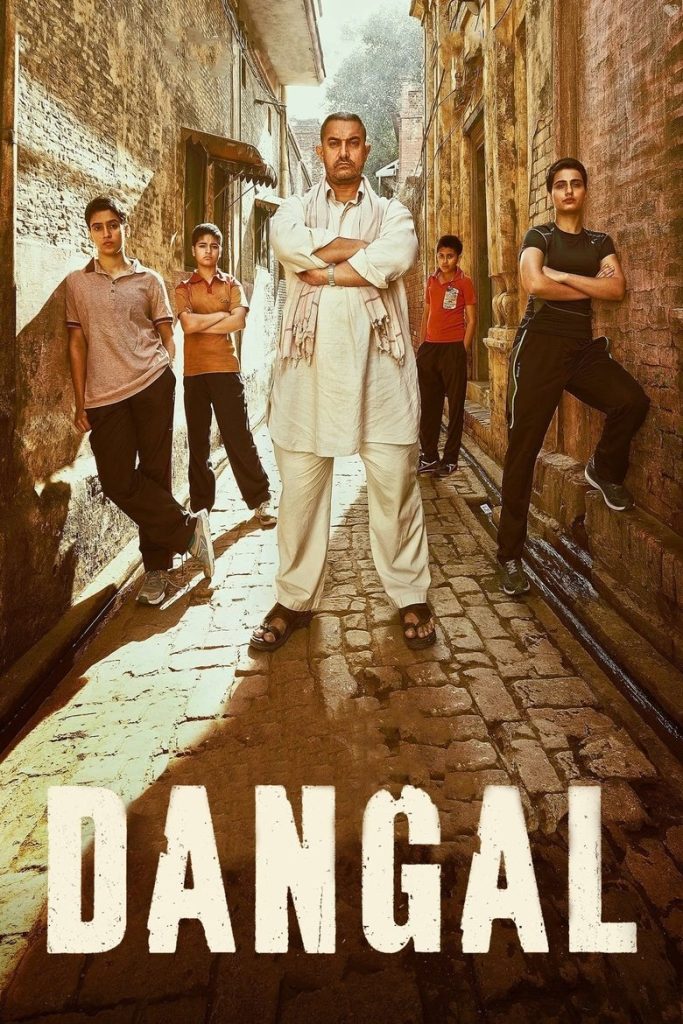
Dangal is an inspirational true story about a father who trains his two daughters to become world-class wrestlers. The film follows their journey from childhood through their athletic development, highlighting themes of determination, family support, and breaking gender stereotypes. It portrays the challenges and triumphs of pursuing excellence in sports while maintaining strong family bonds.
Parent Guide
An inspirational sports drama with positive messages about determination, family support, and challenging gender stereotypes.
Content breakdown
Wrestling scenes show physical competition and training, including throws and holds, but presented in a sports context without graphic violence.
Some emotional intensity around family conflicts and societal pressures, but no truly frightening or disturbing content.
No offensive language noted in the film's description.
No sexual content or nudity mentioned in the film's description.
No substance use mentioned in the film's description.
Contains emotional scenes around family expectations, rigorous training, and societal pressures regarding gender roles.
Parent tips
Dangal is an uplifting family film that celebrates perseverance, hard work, and challenging traditional gender roles. The movie contains wrestling scenes that show physical competition and training, but they're presented in a sports context rather than violent conflict. Parents should be aware that the film includes some emotional intensity around family expectations and societal pressures, particularly regarding girls pursuing traditionally male-dominated sports.
The film's length (over 2.5 hours) may require breaks for younger viewers. The story's focus on discipline and rigorous training provides excellent opportunities to discuss work ethic and goal-setting with children. The positive father-daughter relationships and supportive family dynamics offer good examples of healthy family interactions.
Parent chat guide
After watching, talk about the themes of perseverance and breaking stereotypes. Ask your children what they learned about setting goals and working hard to achieve them. Discuss how the family supported each other through difficulties and what messages the film sends about what girls and women can accomplish.
Parent follow-up questions
- What did you like about the girls in the movie?
- How did the family help each other?
- What sports do you like to play?
- What makes you feel strong?
- How do you practice to get better at something?
- Why do you think the father wanted his daughters to wrestle?
- What challenges did the girls face in their training?
- How did the sisters support each other?
- What does it mean to be determined?
- What can we learn from trying hard even when it's difficult?
- How did the movie challenge traditional ideas about girls and sports?
- What role did discipline play in the characters' success?
- How did the family balance high expectations with support?
- What does the film show about overcoming obstacles?
- Why is it important to pursue your dreams even when others doubt you?
- How does the film portray the intersection of family expectations and personal ambition?
- What commentary does the movie make about gender roles in sports and society?
- How did the father-daughter relationship evolve throughout their journey?
- What does the film suggest about the price of excellence?
- How do cultural and societal pressures affect the characters' choices and development?
🎭 Story Kernel
At its core, Dangal explores the tension between patriarchal authority and female empowerment through the lens of competitive wrestling. Mahavir Singh Phogat's obsessive drive stems from unfulfilled national dreams, which he projects onto his daughters Geeta and Babita. The film examines how his rigid discipline—initially oppressive—becomes the very structure that liberates them from societal expectations. The real conflict isn't against opponents on the mat, but against the weight of tradition, poverty, and gender norms. When Geeta rebels against her father's methods only to fail, then returns to them to succeed, the film delivers its nuanced thesis: true empowerment sometimes comes through channels we initially resist.
🎬 Visual Aesthetics
The film's visual language mirrors its thematic journey. Early scenes in rural Haryana use a dusty, washed-out palette of browns and yellows, emphasizing the girls' confined world. The wrestling sequences evolve stylistically—beginning with raw, muddy ground fights shot with shaky, close-up cameras that feel brutal and personal, then transitioning to the polished, brightly lit international arenas with smooth, wide shots that feel isolating. Most striking is how the camera often stays at ground level during matches, putting us in the wrestlers' physical and emotional space. The recurring motif of hair—from forced cutting to Geeta's final symbolic trim—visually tracks their transformation from daughters to athletes.
🔍 Details & Easter Eggs
💡 Behind the Scenes
Aamir Khan gained 30 kilograms of fat to play the older Mahavir, then lost it along with building muscle to play the younger version—in reverse chronological order. The actors playing Geeta and Babita underwent seven months of rigorous wrestling training, learning the sport from former international competitors. Real-life sisters Fatima Sana Shaikh and Sanya Malhotra performed about 90% of their own wrestling stunts. The film was shot in actual villages in Haryana and Punjab to maintain authenticity, with many extras being local residents who lived the culture depicted. The 'Dangal' title refers specifically to the traditional mud wrestling arenas of rural India.
Where to watch
Choose region:
- Netflix
- Netflix Standard with Ads
- Google Play Movies
- YouTube
Trailer
Trailer playback is unavailable in your region.