
Dark Light: The Art of Blind Photographers (2009)
Story overview
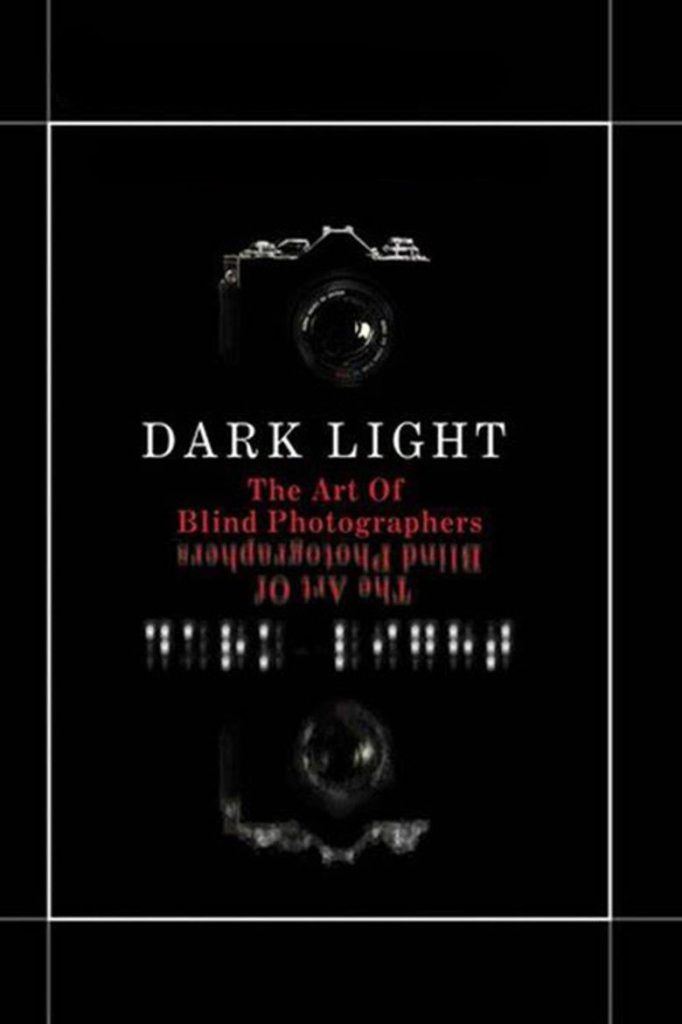
This 30-minute documentary explores the fascinating world of blind photographers, specifically focusing on Pete Eckert and his artistic process. The film examines how vision transcends physical eyesight, demonstrating how individuals without sight can create meaningful photographic art through other senses like touch, sound, and memory. It addresses profound questions about creativity, perception, and how artists can appreciate their own work when traditional visual feedback isn't available. The documentary showcases innovative techniques and celebrates human resilience and artistic expression.
Parent Guide
Educational documentary about blind photographers that is appropriate for most children with some guidance for younger viewers. The content is inspiring and focuses on artistic adaptation rather than challenging subject matter.
Content breakdown
No violence, danger, or perilous situations depicted. The documentary focuses entirely on artistic creation and philosophical discussion.
Nothing scary or disturbing. The tone is contemplative and educational throughout. Discussion of blindness is presented positively as a different way of experiencing the world.
No offensive language. The documentary maintains a professional, educational tone suitable for all audiences.
No sexual content or nudity. The film focuses exclusively on artistic process and philosophical questions about perception.
No depiction or discussion of alcohol, drugs, or substance use.
Some emotional moments as photographers discuss their creative journeys and challenges, but overall the tone is inspirational rather than intense. Younger children might find discussions about blindness conceptually challenging but not emotionally distressing.
Parent tips
This documentary is suitable for most children ages 8 and up with parental guidance. The content is educational and inspiring, focusing on artistic expression and overcoming challenges. Younger children might need help understanding some abstract concepts about perception and creativity. The film's short runtime makes it manageable for family viewing. Consider discussing how people use different senses and adapt to challenges in their daily lives.
Parent chat guide
Parent follow-up questions
- What sounds do you think help photographers take pictures?
- How do you use your hands to learn about things?
- What colors do you think about when you hear different sounds?
- How do you think blind photographers 'see' their subjects differently?
- What tools might help someone take pictures without using their eyes?
- How is creating art with other senses similar to or different from using sight?
- What does this documentary suggest about the relationship between physical sight and creative vision?
- How might losing one sense enhance other senses, according to the film?
- What challenges do blind photographers face that sighted photographers don't?
- How does this film challenge conventional definitions of art and perception?
- What philosophical questions about consciousness and experience does the documentary raise?
- How might the techniques shown in this film influence broader artistic practices beyond photography?
🎭 Story Kernel
The film dismantles the conventional understanding of photography as a visual medium by exploring how blind photographers conceptualize and create images. It's not about capturing what they physically see, but about translating memory, touch, sound, and emotional landscapes into a visual form accessible to the sighted. The characters are driven by a profound need to communicate their unique perception of the world, challenging viewers to question their own sensory biases. The core theme is the redefinition of art itself—shifting it from representation to pure expression of internal experience, proving creativity is not bound by physical limitations.
🎬 Visual Aesthetics
The cinematography masterfully contrasts two worlds. Scenes with the photographers are intimate, often using close-ups on hands feeling subjects or faces deep in concentration, with a warm, tactile color palette. The presentation of their actual photographs is treated with reverence—clean, gallery-style shots that force the viewer to engage with the image's composition and emotion, not its technical perfection. The film frequently uses sound design as a visual tool; we hear the textures and environments being photographed, creating a synesthetic experience that mirrors the artists' process. The camera language is observational, avoiding manipulative angles to let their reality speak for itself.
🔍 Details & Easter Eggs
💡 Behind the Scenes
The documentary features real blind photographers from various global communities, not actors. Much of the filming required the crew to adapt their communication, often describing scenes verbally to the participants. A significant challenge was finding ways to visually represent non-visual creative processes. The project was partly funded by arts grants focused on disability and innovation. Some of the photographers' work shown in the film has since been exhibited in major galleries, directly as a result of the documentary's exposure.
Where to watch
Choose region:
- HBO Max
- HBO Max Amazon Channel
- Amazon Video
- Apple TV Store
- Google Play Movies
- YouTube