
David Bowie: The Last Five Years (2017)
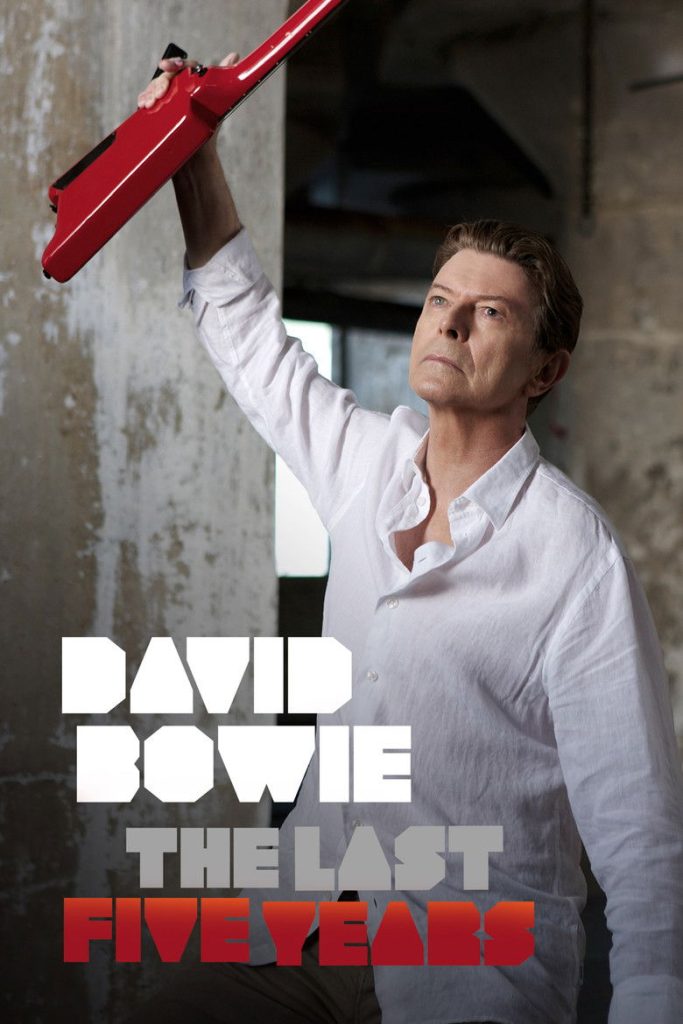
Story overview
This documentary explores the final creative period of music icon David Bowie, focusing on his last five years when he produced two innovative albums and a musical after nearly a decade of silence. Through interviews, archival footage, and behind-the-scenes access, the film reveals Bowie's artistic process and personal reflections during this unexpectedly productive phase of his career.
Parent Guide
A thoughtful documentary about artistic legacy and creative process suitable for families with children ages 8+. The film focuses on music production and career reflection rather than sensational content.
Content breakdown
No violence or peril depicted. The documentary discusses Bowie's death from cancer but shows no graphic medical scenes or depictions of illness.
Some discussion of mortality and Bowie's cancer diagnosis might be emotionally challenging for sensitive younger viewers. Bowie's theatrical personas and makeup in archival footage could be slightly unsettling to very young children but are presented in artistic context.
No profanity or strong language. The documentary maintains a respectful, professional tone throughout.
No sexual content or nudity. Some of Bowie's stage costumes from earlier eras might be considered provocative in artistic context, but nothing explicit is shown.
No depiction or discussion of substance use. The documentary focuses exclusively on Bowie's creative work during his final years.
Moderate emotional content related to artistic legacy, creativity, and discussions of mortality. The tone is reflective rather than intensely emotional, with celebratory elements about Bowie's final creative output.
Parent tips
This documentary is appropriate for most families with children ages 8 and up. It focuses on artistic creation and music history rather than controversial content. Parents should be aware that the film discusses Bowie's death from cancer, which might require explanation for younger viewers. The documentary celebrates creativity and legacy, making it potentially inspiring for children interested in music or art.
Parent chat guide
Parent follow-up questions
- Did you like the music in the movie?
- What colors did you see in the pictures?
- Can you dance like the people in the movie?
- What was your favorite song from the movie?
- How did David Bowie change his look in different parts of his life?
- What instruments did you see people playing?
- Why do you think David Bowie created different characters for his music?
- How does the documentary show Bowie's creative process?
- What makes someone's music last for decades after it's made?
- How did Bowie's approach to his final projects reflect his attitude toward mortality?
- In what ways did Bowie continue to innovate musically even late in his career?
- How does this documentary change or reinforce your understanding of artistic legacy?
🎭 Story Kernel
The documentary isn't about Bowie's death, but about his defiant, creative rebirth in the face of mortality. It explores how terminal illness became his final collaborator, fueling a creative explosion that produced two albums and a musical. The driving force is Bowie's transformation from rock icon to private artist, using his remaining time to create art that grappled with existential questions while deliberately concealing his physical decline. The film reveals how he channeled illness into artistic alchemy, making his final works not a farewell, but a profound statement about creation's power over decay.
🎬 Visual Aesthetics
The film employs a stark, intimate visual language that mirrors Bowie's private final years. Archival footage is presented with minimal manipulation, emphasizing authenticity over glamour. The color palette shifts from the vibrant theatricality of 'Lazarus' rehearsals to the subdued, domestic tones of home recordings. Camera work is observational rather than intrusive, with lingering close-ups on Bowie's hands at the piano or his concentrated expression. This creates a powerful contrast between the public spectacle he created ('Lazarus') and the private reality he lived, visually underscoring his dual existence.
🔍 Details & Easter Eggs
💡 Behind the Scenes
The documentary's director, Francis Whately, had unique access because of his previous Bowie collaborations, allowing unprecedented footage of home recording sessions. Much of the material came from Bowie's personal archives, including never-before-seen rehearsal tapes. The film was produced with cooperation from Bowie's family and estate, who provided personal photographs and correspondence. Notably, some interviews were conducted under agreements that certain health details wouldn't be revealed until after Bowie's death, creating a documentary that evolved in meaning after its subject's passing.
Where to watch
Choose region:
- HBO Max
Trailer
Trailer playback is unavailable in your region.