
Dawn of the Dead (2004)
Story overview
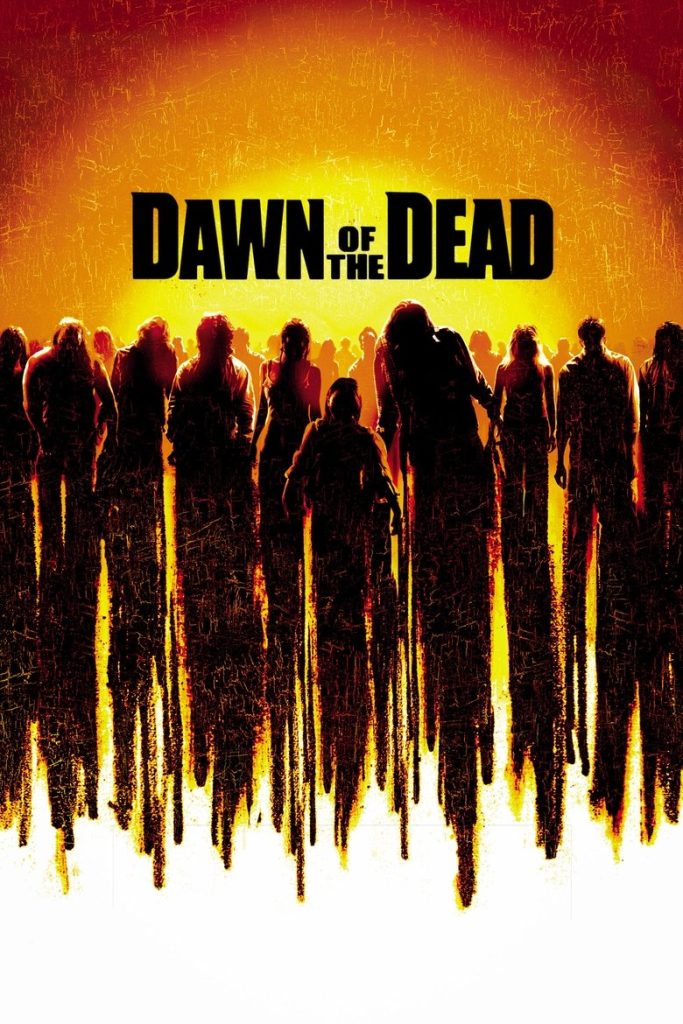
Dawn of the Dead is a 2004 horror-action film about a group of survivors during a zombie apocalypse. They take refuge in a shopping mall while trying to escape the undead threat outside. The movie focuses on their struggle for survival against both zombies and human conflicts.
Parent Guide
Intense horror film with graphic violence and disturbing content suitable only for mature viewers.
Content breakdown
Frequent graphic zombie attacks, gun violence, and survival conflicts with blood and gore.
Zombie horror imagery, jump scares, and tense survival situations throughout.
Strong language including profanity in stressful situations.
Brief suggestive content but no explicit scenes.
Occasional alcohol consumption by adult characters.
High tension, fear, and survival stress throughout the film.
Parent tips
This R-rated film contains intense horror violence, gore, and strong language throughout. It is not suitable for children or young teens due to graphic zombie attacks, disturbing imagery, and high emotional intensity. Parents should watch it first to determine if it's appropriate for older teenagers based on individual maturity levels.
Parent chat guide
Parent follow-up questions
- Did you see any pretend monsters in the movie?
- What did the people in the movie do to stay safe?
- How did the characters help each other?
- What would you do if you needed to find a safe place during an emergency?
- How did the characters work together in the movie?
- What makes a good leader during difficult times?
- What survival skills did the characters use in the movie?
- How did fear affect the characters' decisions?
- What would be the most challenging part of surviving in that situation?
- How does the film portray human nature under extreme stress?
- What ethical dilemmas did the characters face?
- How realistic do you find the survival scenarios presented?
🎭 Story Kernel
At its core, 'Dawn of the Dead' isn't about surviving zombies—it's about what we choose to preserve when civilization collapses. The characters aren't driven by heroic ideals but by the desperate need to recreate normalcy, turning a shopping mall into their fortress. This reveals the film's true horror: our consumerist instincts might outlive our humanity. The survivors don't fight for love or justice; they fight for air-conditioned comfort and brand-name goods, making their eventual downfall feel like poetic justice rather than tragedy. Romero masterfully shows how capitalism's cathedral becomes our tomb.
🎬 Visual Aesthetics
Romero's visual language transforms the shopping mall from sanctuary to prison. The initial wide shots of empty corridors evoke both safety and eerie isolation, while the saturated colors of store displays contrast with the grim reality outside. The zombie attacks are shot with chaotic handheld urgency, but the most chilling moments use static compositions—like the final helicopter escape framed against endless hordes. The blue-tinted night scenes and fluorescent store lighting create a sterile, artificial environment that emphasizes how removed the survivors are from the decaying world.
🔍 Details & Easter Eggs
💡 Behind the Scenes
The mall scenes were shot at Monroeville Mall near Pittsburgh during overnight hours when the mall was closed. Many extras were local theater students paid in pizza. Tom Savini's groundbreaking zombie makeup used mortician's wax and KY jelly for decaying flesh effects. The film's controversial ending—showing the survivors' helicopter running out of fuel—was almost cut but became its most haunting moment.
Where to watch
Choose region:
- Netflix
- Starz Apple TV Channel
- Netflix Standard with Ads
- Amazon Video
- Apple TV
- Google Play Movies
- YouTube
- Fandango At Home
Trailer
Trailer playback is unavailable in your region.