
Dead Man (1995)
Story overview
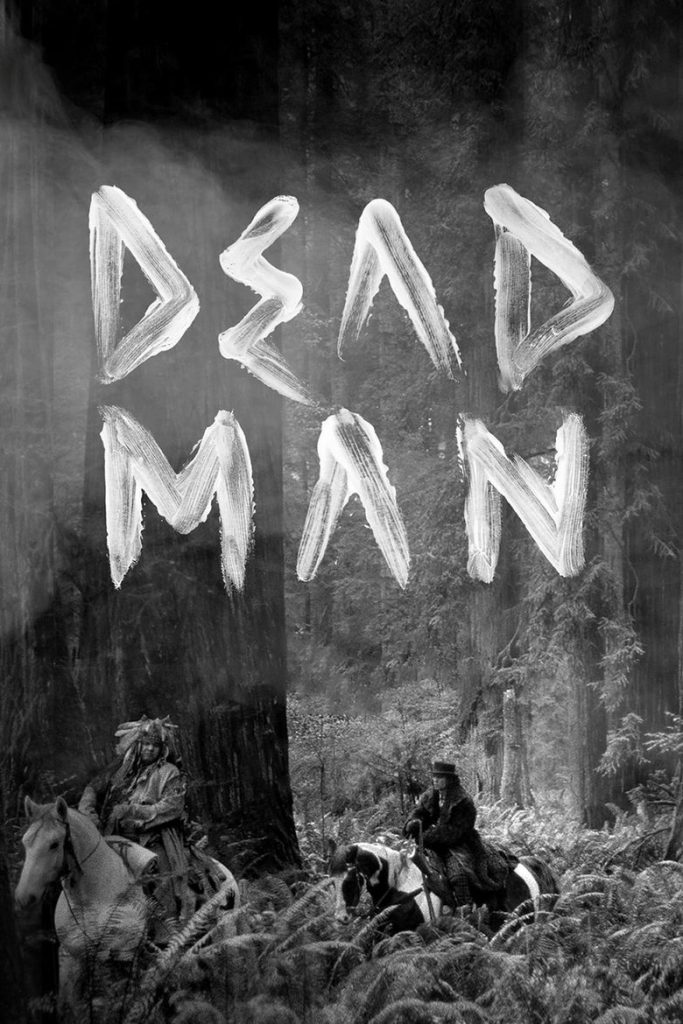
Dead Man is a 1995 drama-fantasy Western film. It follows a young accountant who travels to a remote frontier town for a job, only to become entangled in a surreal and violent journey through the American West. The film blends stark realism with dreamlike sequences, exploring themes of mortality, fate, and the clash between civilization and wilderness. Its black-and-white cinematography and unconventional narrative create a haunting, poetic atmosphere.
Parent Guide
A philosophical Western with strong violent content and mature themes, recommended for older teens and adults due to its R rating and intense elements.
Content breakdown
Contains Western-style gun violence, perilous situations, and scenes of conflict typical of the genre.
Features surreal, dreamlike sequences and thematic elements about mortality that may be unsettling.
Includes period-appropriate dialogue with some strong language.
May contain suggestive themes or brief content consistent with the R rating.
Depicts historical substance use such as drinking, typical of Western settings.
Explores deep themes of death, fate, and existential crisis with a serious tone.
Parent tips
This film is rated R, indicating it is intended for mature audiences. Parents should be aware that it contains strong elements typical of the Western genre, including violence and thematic intensity. The surreal, philosophical nature of the story may be confusing or unsettling for younger viewers, so it's best suited for teens and adults who can engage with its abstract themes.
Parent chat guide
Parent follow-up questions
- What colors did you see in the movie?
- Did you see any animals in the film?
- What sounds did you hear in the story?
- How did the music make you feel?
- Was there anything funny in the movie?
- What was the main character trying to do?
- How did the black-and-white pictures change the story?
- What places did the characters travel to?
- What did you learn about the old West?
- How did the characters help each other?
- Why do you think the film is in black and white?
- What challenges did the main character face?
- How does the movie show the difference between towns and wilderness?
- What does the title 'Dead Man' mean to you?
- How did the music add to the movie's mood?
- How does the film use symbolism to explore life and death?
- What commentary does the movie make about civilization versus nature?
- How does the surreal style affect your interpretation of events?
- What historical truths does the film reveal about the American West?
- How do the characters' journeys reflect broader human experiences?
🎭 Story Kernel
At its core, 'Dead Man' is a meditation on the death of the American West and the spiritual decay of Manifest Destiny. William Blake's journey isn't a quest for survival but a passive descent into a mythic underworld, guided by the indigenous outlaw Nobody. The characters are driven by a world that has already ended; the industrialists by hollow greed, the bounty hunters by a primal bloodlust, and Blake by a quiet acceptance of his fate as a living ghost. The film posits that the frontier's true legacy is not conquest but a haunting, where the only remaining identity is that of the 'dead man' walking.
🎬 Visual Aesthetics
Shot in stark, high-contrast black and white by Robby Müller, the film's visuals evoke a ghostly, timeless daguerreotype. The camera often holds static, tableau-like compositions, framing characters as isolated figures in a vast, indifferent landscape. Action is brutal and abrupt, devoid of Hollywood glamour, emphasizing the suddenness of violence. Symbolism is woven into the mise-en-scène: the train sequences act as a mechanical river Styx, factory smokestacks pierce the sky like tombstones, and the wilderness itself feels less alive than mortally wounded, reflecting the film's central theme of a world in its death throes.
🔍 Details & Easter Eggs
💡 Behind the Scenes
Jim Jarmusch deliberately cast non-actors and musicians in key roles, including Iggy Pop, Billy Bob Thornton, and Jared Harris, to lend an off-kilter, authentic feel to the frontier eccentrics. Neil Young improvised the entire haunting, minimalist guitar score in a single sitting, watching the film and playing live to picture. The production was notoriously difficult, filmed in remote locations across the American West, with Jarmusch and star Johnny Depp partially financing the film themselves to maintain creative control after studio disputes.
Where to watch
Choose region:
- fuboTV
- HBO Max
- HBO Max Amazon Channel
- Criterion Channel
- Shout! Factory TV
- Tubi TV
- Amazon Video
- Apple TV
- Google Play Movies
- YouTube
- Fandango At Home
Trailer
Trailer playback is unavailable in your region.