
Dead Poets Society (1989)
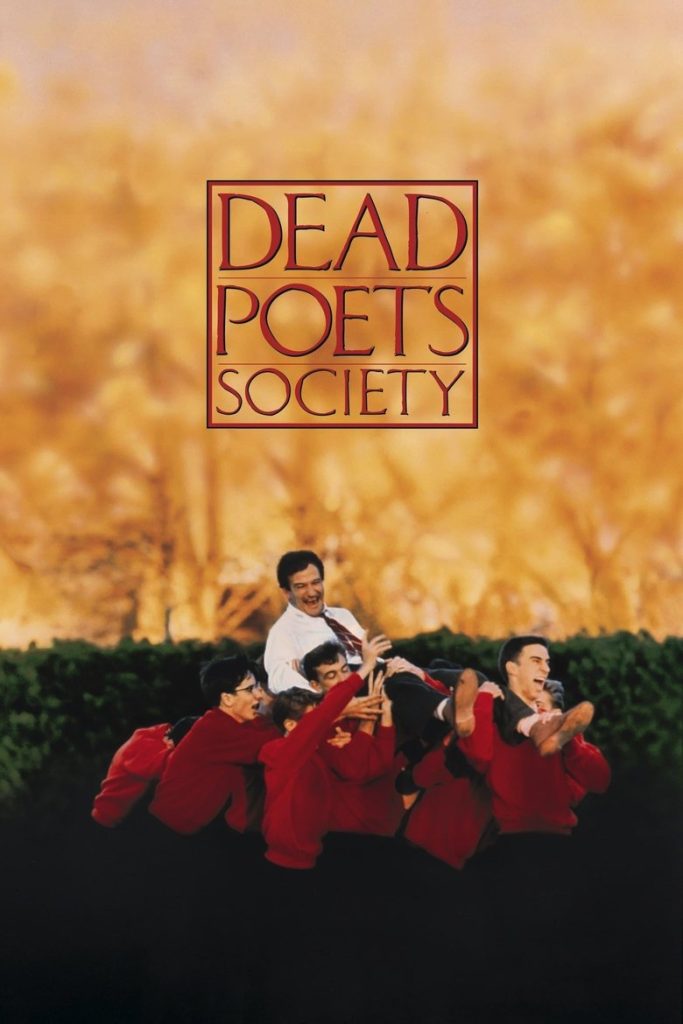
Story overview
Dead Poets Society is a 1989 drama set at a traditional New England boarding school. The story follows an unconventional English teacher who encourages his students to think independently and embrace life's possibilities. This inspirational approach challenges the school's strict traditions and authority figures, leading to significant personal growth and conflict among the students.
Parent Guide
A thoughtful drama about education and individuality with emotional depth suitable for mature children and teenagers.
Content breakdown
No physical violence, but includes tense confrontations and emotional peril related to academic pressure and personal choices.
Contains emotionally intense scenes involving adolescent struggles, authority conflicts, and mature themes that may be disturbing to sensitive viewers.
Occasional mild language consistent with school settings and adolescent conversations.
No sexual content or nudity present in the film.
Brief, non-glamorized references to smoking by adult characters in historical context.
Strong emotional themes involving self-discovery, rebellion against authority, and the consequences of personal choices.
Parent tips
This film explores themes of individuality, conformity, and the tension between tradition and personal expression. Parents should be aware that the story deals with adolescent rebellion against authority and includes emotional moments that may be intense for younger viewers. The PG rating reflects some mature themes and emotional content, making it more suitable for older children and teenagers who can appreciate its messages about education, creativity, and personal responsibility.
Parent chat guide
Parent follow-up questions
- What did you like about the school in the movie?
- How did the teacher make learning fun?
- What colors or sounds did you notice?
- Why do you think the students liked their new teacher?
- What does it mean to 'seize the day' in a safe way?
- How do you balance following rules with being creative?
- How do the students handle pressure from parents and teachers?
- What are positive ways to express your individuality?
- Why is it important to think for yourself while respecting others?
- How does the film portray the conflict between tradition and progress?
- What responsibilities come with personal freedom and expression?
- How can inspiration from teachers be balanced with realistic life choices?
🎭 Story Kernel
The film explores the tension between tradition and individuality, using the elite Welton Academy as a microcosm of societal pressure. It's not merely about seizing the day (carpe diem) but about the dangerous, often tragic, consequences of awakening passion in a rigid system. The characters are driven by a desperate need for identity—Keating by a mission to liberate, the boys by a hunger for meaning beyond their prescribed futures, and the administration by a fear of chaos. The core tragedy is that Keating's inspiration, while genuine, provides tools for rebellion but no armor for the real-world backlash, leading to Neil's suicide as the ultimate, devastating collision between poetic idealism and paternalistic reality.
🎬 Visual Aesthetics
The cinematography masterfully uses contrast to underscore themes. Early scenes are dominated by cold, dark tones and rigid, symmetrical compositions within Welton's stone walls, visually imprisoning the boys. As Keating's influence grows, the palette warms—seen in golden-hued dorm scenes and the vibrant fall foliage during the cave meetings—using natural light to symbolize awakening. Camera work shifts from static, oppressive shots to more dynamic, handheld moments during the boys' rebellions, like running in the courtyard. Key symbolism includes the recurring shots of flocks of birds flying in unison versus alone, mirroring the conflict between conformity and individual flight, particularly foreshadowing Neil's fate.
🔍 Details & Easter Eggs
💡 Behind the Scenes
Robin Williams, known for his improvisational comedy, adhered strictly to the script for his role as John Keating to maintain the character's earnest, mentor-like tone, though his natural warmth infused the performance. The film was shot primarily at St. Andrew's School in Delaware, which provided the authentic, ivy-clad backdrop of Welton Academy. Director Peter Weir intentionally cast young actors who resembled real teenagers rather than Hollywood stars, contributing to the film's raw, relatable feel. The 'Dead Poets Society' cave scenes were filmed in a natural cavern, with the actors genuinely huddling for warmth, adding to the authenticity of their camaraderie.
Where to watch
Choose region:
- Hulu
- Amazon Video
- Apple TV
- Google Play Movies
- YouTube
- Fandango At Home
Trailer
Trailer playback is unavailable in your region.