
DEAW #10 Stand Up Comedy Show (2013)
Story overview
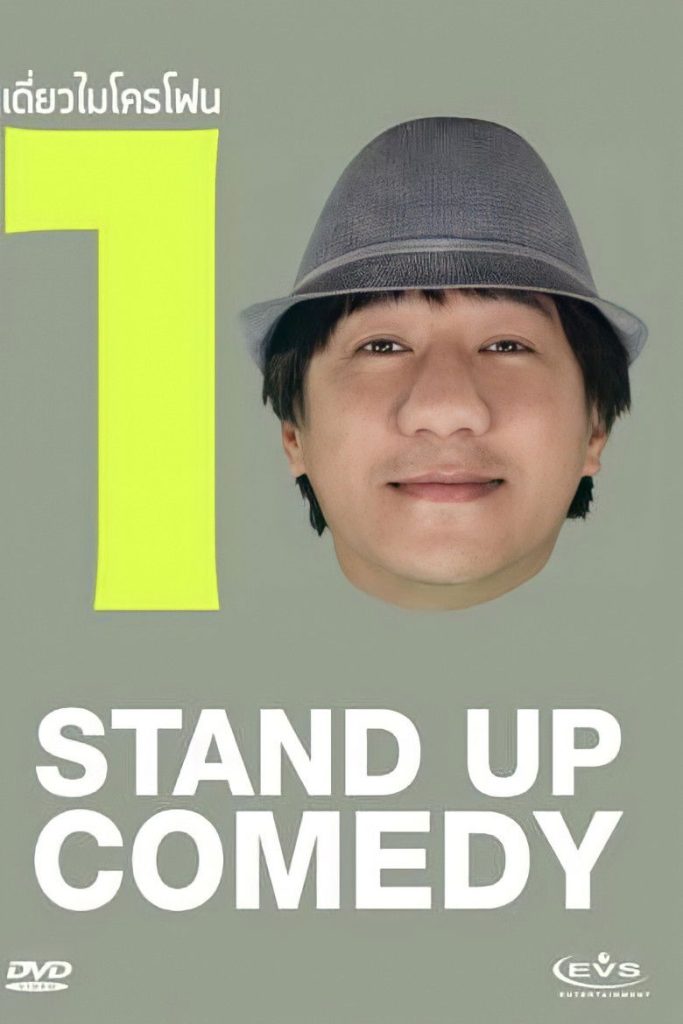
In this 2013 stand-up comedy special, Thai comedian Udom Taepanich performs a solo show filled with humorous anecdotes and nostalgic reflections on past experiences. The performance focuses on lighthearted storytelling and observational comedy without complex plotlines or dramatic elements.
Parent Guide
A clean stand-up comedy performance suitable for most audiences, though language barrier may limit enjoyment for non-Thai speakers.
Content breakdown
No violence, action sequences, or perilous situations. Pure comedic performance.
No frightening or disturbing content. The show maintains a light, humorous tone throughout.
Thai-language performance. Without specific content rating, assume typical stand-up comedy may include mild colloquial language or slang. No subtitles provided in the description.
No sexual content or nudity described. Stand-up comedy focused on nostalgic storytelling.
No depiction or discussion of substance use mentioned in the description.
Low emotional intensity. The performance aims to entertain through humor rather than evoke strong emotions.
Parent tips
This is a straightforward stand-up comedy performance with no narrative storyline. The content consists of the comedian's personal stories and observations. Since it's a Thai-language performance, non-Thai-speaking children will not understand the jokes without subtitles. The runtime of nearly 3 hours may be too long for younger viewers' attention spans.
Parent chat guide
Parent follow-up questions
- Did you see the man talking on stage?
- Was he making funny faces?
- What kind of stories was the comedian telling?
- Did you understand any of the jokes even without knowing Thai?
- How does stand-up comedy differ from scripted TV shows?
- What makes observational comedy funny to you?
- How does cultural context affect comedy appreciation?
- What techniques did the comedian use to engage the audience for nearly 3 hours?
🎭 Story Kernel
At its core, 'DEAW #10' is less about punchlines and more about the raw, vulnerable process of building a shared reality with an audience. The driving force isn't just comedy, but the performer's desperate, exhilarating negotiation for collective permission to be absurd. We witness the character not telling jokes, but architecting a temporary, fragile world of logic where the ridiculous makes perfect sense. The real story is the high-wire act of trust—every laugh is a brick in this invisible structure, and every silence a potential collapse. It's a live documentary of thought, where the stakes are emotional resonance, not plot points.
🎬 Visual Aesthetics
The visual language is deceptively simple, weaponizing focus. The static, unflincling wide shot on the performer for the majority of the runtime creates a claustrophobic intimacy, forcing us into the trenches with him. There's no escape to reaction shots; we must sit in the tension he creates. The color palette is stark, often bathing the stage in a single, harsh wash (like the clinical white or saturated red seen in key moments), visually isolating the comedian as a specimen under a microscope. This minimalist approach makes the few deliberate cuts to the audience—showing a wave of laughter or a moment of stunned silence—feel like seismic events.
🔍 Details & Easter Eggs
💡 Behind the Scenes
The 'DEAW' series is the brainchild of Thai comedian Udom Taephanich, with this tenth installment being a landmark performance. Filmed at a major Bangkok venue, the production deliberately avoided a multi-camera, slick sitcom style, opting for a more cinematic, single-camera approach to preserve the feeling of a singular, unbroken live experience. This choice required meticulous planning of the lone camera's movements to capture the performance's rhythm without intrusive editing, making the final edit a precise map of the show's live energy and pacing.
Where to watch
Choose region:
- Netflix
- Netflix Standard with Ads